|
Update 2/12/25 I have been posting on Facebook more than I had over the past five years or so. I am still eventually deleting these posts. I am finally on X should you choose to follow me there. If you'd like to see what's going on around my homestead, please join me in my journey. I would love to have you and value your input. When I first created a Facebook page for my micro business it was because my customers requested a way to stay connected. They wanted a Facebook page. For about six or seven years, this worked out rather well. I was able to learn more about my customers and followers, share photos, stories, new items, and blog posts. I also shared other pages posts that I thought were relevant or simply amusing. Interaction was high and growth (likes) was good. Then it seemed to come to a standstill. Pay to play. I paid. And paid. Annddd paid. For almost no return. That lasted around two or three years. Boy was I wasting my valuable time! Then 2020 happened. With virtually no interaction from my followers, even with paid advertising and seeing that my rather innocent seeming shares were being marked as misinformation (they weren't), it became rather clear to me that it was time to part ways with Facebook. I believe in freedom of speech, even if I don't like what you have to say. Because staying connected is important, I do think about setting up on a different platform. Instagram is often suggested. Being Meta owned, I doubt I'll go that route. I may consider X. I may end up never joining another social media site again. Who knows? Time will tell. It always does. At the time of this post (4/16/24), my Facebook page is not closed. You can still like it and visit it. However, nearly all of the content I posted and shared, I removed. I've no interest in continuing to feed the Facebook machine. It's not like Zuckerbucks needs my business. What I did do, is save the most popular content and comments, creating this little Running Bug Farm Facebook Archives if you will. In this article, I start from my humble 2011 beginings on Facebook to the present. I wanted to preserve what was created. But I didn't want to preserve it for Facebook. They don't deserve me or my little Eco farm, you do. Wherever you are in the world, whatever your beliefs, whatever your passions, I humbly thank you for everything! My little Eco farmstead couldn't have grown without each and every one of you! March 7, 2011 We always wanted to get chickens. We thought they would be cool to have. We thought they were stupid & ugly but they would be fun, give us eggs and we could chase them with glee. This is a part of how it all started! The desire for something we knew nothing about! We wanted more from life than just working to live. March 18, 2011 ...When we were younger we bred & hand raised Cockatiels. We had parrots. We still have cats - we will always have cats! We had more fish & fish tanks than we knew what to do with! Numerous toads, frogs, & mud-skippers... You name it, we had it at some point! We used to go on hunts for tadpoles & other aquatic life that we could put in our fish tanks & our teeny little hole we dug ahem...our "pond"... March 19, 2011 ...I had a childhood surrounded by mountains & fields with pasture, lizards, snakes, horses, lamas, alpacas, rivers, lakes, ponds....you name it! As an adult the desire to live that life never ever left. It became an obsession - a goal. Totally driven it became our dream & we worked hard to learn everything we could about Organic, Natural, Sustainable & Self Sufficient living... March 20, 2011 ...We saved every penny possible for the future purchase of our Dream. Because we were living on 2 acres in NJ we started to small scale practice what we were learning. Slowly we went to 100% Organic. Eliminated all chemicals. Learned how to can our own food. Learned about root cellars & put it to practice. We started to grow much more food. We learned how to grind our own grains & make our own breads... March 21, 2011 ...Basically we learned how to do everything from scratch. We got 2 Hens. Now we knew it really had begun! We got the hens before we even had a place to house them! We kept them downstairs while learning how to build a movable chicken coop! From here our passion exploded for the farm life... March 22, 2021 ...2 old hens turned into 3 old hens (we had no idea how to tell good birds from bad, old from young (unless they were chicks), or for that matter roosters from hens). 3 hens turned into 3 hens & tons of roosters! Whoops! We bought at auction what said was "Araucana Pullets". Imagine our surprise when we bought a whole box of Araucana Cockerels instead!...
March 23, 2011 ...Needless to say we found ourselves going to the livestock auction quite often! We were buying roosters or old hens feeding them organic feed, discovering we had roosters & having to sell them back at the auction. We couldn't yet bring ourselves to cull (kill) any birds so we took our losses & learned!... March 24, 2011 ...Finding organic feed at the time was impossible in NJ. We had to special order it. The shipping for 50lb bags of feed was over half the cost per bag bag of feed! So if Certified Organic feed was say $22 for 50lbs we paid an additional $15 or so for shipping per bag! What were we to do? Use nasty medicated feed? Feed loaded with GMO's? Disgusting Non organic feed was around $10 - $12 per 50lb bag!...
March 25, 2011 ...We ordered our feed from Countryside Natural Products. A few months before we moved out of NJ, New Egypt Agway started to carry Organic Poultry feed. Tractor Supply Co in WV sells Organic feed. We still order our Organic Rabbit feed from Countryside. Countryside sells a whole bunch of other types of Organic feeds for those of you interested in getting out of the unhealthy world of GMO's & medicated feed... March 26, 2011 ....We started to sell our eggs. Some people were highly insulted at the cost of our eggs. We were disgusted. These people had no idea what the true cost of Real Food is! It cost us much more than we were charging. We should have been charging double! We stuck to our beliefs & eventually found steady & loyal customers who loved us for our Organic All Natural practices & loved when the Girls ran to greet them...
March 27, 2011 ....As the years went on in NJ with our Dream Egg growing, we eventually had over 50 Chickens! We decided that ordering day old chicks was the best way to go & for our current situation, we were right! We ordered about 30 chicks at a time. All Heritage Breeds. No factory type birds. Raising the birds from chicks was a real joy for us. We did so well we had no deaths!... March 28, 2021 ...Getting the call from the Post Master that they have your chicks is one of the most exciting calls to get at 5:30 AM! Off we go with big grins on our faces to get our tiny peeping box of cuteness! Everything is set up prior to their arrival. Giant tubs, homemade wire lids with Plexiglas doors, feeders, waters, heat lamps, hay & organic starter feed...
March 29, 2011 ...Once your home is filled w/ peeping cuteness it's difficult to focus on other tasks. U find U have wandered over to Chick Central so U can peek at & touch them. Chick life is funny: they cheep, poop, run around, sleep. Just like that. They will lay there like they are dead - you will think they are dead! Laying flat, Eyes closed, Neck stretched. Then Boing! They are up & running! Peeping, pooping, eating... March 30, 2011 ...Sadly the cuteness doesn't last long enough! Before you know it these little peeps turn into gangling goofy looking creatures. All poky & beaky. Clumsy as ever & endlessly entertaining. Not only that but the work load grows. More large tubs are needed or a new location entirely. They grow FAST... March 31, 2011 ...Feather dust can really get out of control esp. if you keep them in the home as we do. You will find it forms a thick layer on every surface of the room they are in! Sure you clean it up weekly at minimum, but it doesn't show! Eventually they become much to big for their indoor homes but still too teeny & fragile for outside. This is the time that is a bit trying on us. Bin cleanings are every other day...
April 1, 2011 ...Cute little feet must be checked that no poop builds up on the bottom; this is very bad! If there is poop the little squirmy peeper must make a visit while in your hand over to the faucet for some gentle foot cleaning. Poop compacts on the bottoms of chick feet & it can cause them to loose their toes. It can also cause infection. Cleanliness is always of utmost importance... April 2, 2011 ...When the chicks are finally old enough to go outside it is part relief & part worrisome. They must be fenced in to extreme measures. Tiny holed fencing is required so they don't get stuck in the fencing. They must be separate from the grown birds & they need protection from both ground & air predators. Virtually anything & everything wants to eat those little pipsqueaks...
April 3, 2011 ...You know you've have done the right thing when you see them running around charging at each other & mini flying fluttering around their new giant open spaced playpen of "oh boy what's that? What's that & that & that & that!" Peck peck peck, run, flap, poop, charge, peck, cheap, sleep, dust bathe, sun bathe. Oh boy! you got it - it's the good life indeed... April 4, 2011 ...While the chicks grow outside they can safely enjoy many "conversations" with the adult birds thanks to the fencing between them. These many "discussions" help ease the chicks into acceptance with the adults as they mature into pullets/cockerels... April 5, 2011 ...When the young birds are old enough to free range, these "conversations" are no longer through the fence. A pecking order must be re-established & there is a lot of squawking, pecking, & general fighting. Thankfully prior 'through the fence talk' makes this a short affair & no one gets badly hurt... April 6, 2011 ...If there are cockerels in the group, when they join the adults, the hens will actually battle the cockerels for dominance in the pecking order! The pullets usually know to quickly show that they know there place & do their best to avoid fighting with the adult hens. Usually within 2 to 3 days the new pecking order is established.... April 7, 2011 ...Once our pullets & cockerels reach full age we have many decisions to make. What older birds do we cull? Which do we sell? How strong are our egg sales? Which birds are good & which are troublemakers? How heavy were our losses due to predators? Sometimes no birds are culled & all the older birds we decide not to keep go to the auction... April 8, 2011 ...We noticed that our birds typically sell higher at the auction then the exact same types of birds. We believe this is due to their excellent living conditions & humane care. When our birds are tested for disease, we have been told that it is obvious that our birds are raised on pasture due to the smell of their poop of all things! Note: we have never had any birds test positive for any diseases... April 9, 2011 ...For those of you who are against us culling our birds, know that this isn't something we do constantly. Also we do not raise birds to sell on the market for meat. We only sell eggs on the market. Our birds are never confined. They have over 16 acres of pasture to enjoy. They get to behave naturally. They enjoy bugs, sunshine, sex, dust baths, & normal flock behavior...
April 10, 2011 ...Birds that we do cull are for our personal use. We do not believe in waste. The entire bird gets used from the meat to the feathers. If it is a old tough bird, it is used to make stock & the meat is given to the cats. We wash & dry the feathers. Then we sort them (this takes a very long time) to sell. We are very dependent on the money we get from the feathers & the eggs of our birds... April 11, 2011 ...We do not raise our birds for their feathers. Most of our feathers are Vegan friendly as they are from birds that died of natural causes or predators as mentioned in previous posts. Next up, Guineas... April 12, 2011 ...Guineas! After a while we decided we had to get guineas. We read so much good stuff about them. The downside was we also heard they made a heck of a lot of noise. While in NJ we did our best to not keep Roosters because of the noise, even though the neighbors said they didn't mind. We never had any complaints. Most people loved to discover our little farmette nestled away right at the Jersey Shore... April 13, 2011 ....back to the guineas. We got a bunch of keets (baby Guineas we've seen this spelled keets & keets). They are so cute at this age it is hard to believe they turn into such weird looking creatures! No matter how much we handled them, when they grew up they were terrified of us! Yelling their heads off & charging away. A very amusing sight to see... April 14, 2011 ...We had to clip their wings (harmless if done properly) to keep them from roosting in trees & flying over the fencing! Even w/ both wings clipped they manage to catch some air! On top of that guineas really like to wander far from home! They come back every night like the hens but they can disappear for many hours. Needless to say 2 acres of land is not enough for guineas... April 15, 2011 ...With the noise Guineas make & all the traveling they like to do, we knew we really needed to move! Problem was we were looking for over 4 years. We put in offers on property in WV & PA. On some we were outbid. On others they counter offered too high for our comfort... April 16, 2011 ... In the meantime, the guineas started to drive us mad with their constant noise. If you are considering guineas, you need to know that they are very loud & the sounds they make are not pleasant. Your ears will ring! We ended up loosing all but one guinea because a predator got to them. We had one male left. He chased after the hens, would grab hold of their feathers & wouldn't let go... April 17, 2011 ...The girls would run around the yard screaming their heads off while the rooster watched them & made upset sounds (we have yet to have a worthy rooster to this day). Our poor hens were loosing giant patches of feathers due to one randy guinea. There was no point in keeping one randy male guinea who screamed all day long. We culled him. We must say, guinea is delicious!... April 18, 2011 ...We were not done with guineas. We still wanted them for a large number of reasons. One was to eat. They cost less to raise up then chickens & they are great watch dogs & bug eaters. We wanted to have some to feed us, some to control bugs, & some to breed. Once again we got a whole bunch of tiny little keets! We purchased 3 beautiful breeds: Pearl, Lavender, & Royal Purple.... April 19, 2011 ...Keets are cute little darlings at this age! They are teeny tiny & are much nicer to each other than chicks & ducklings are. They never chase each other or peck each other. They are the cleanest out of all the babies. It is fascinating to watch the behavior of different types of babies. Keets are the sweetest babies so far! Runner up - ducklings. Last - chicks. Chicks like to peck & that can be troublesome... April 20, 2011 ...Eventually just like mentioned with the chicks, the keets move outside & have to have extreme fencing for their safety from predators & the adult birds. For this flock of guineas we had a creepy situation unfold that we didn't understand in the beginning... April 21, 2011 ...Our hens houses are built up off the ground with fine wire mesh on the bottom to keep up the air flow & it makes for easier cleaning. We always put hay in the bottom & they have bars to perch on. In the morning before heading off to work, everyone would be let out for the day into their fenced in area - a space about 10 times larger than the USDA requirement for free range organic birds... April 22, 2011 ... We noticed our young guineas had weird wormy looking ends to their toes. We thought it was some sort of creepy infection. Maybe a parasite eating at their feet. We already experienced Bumble Foot with our hens & thought it was something similar yet way more disturbing... April 23, 2011 ...Bumble Foot is when a infection gets into the foot/toe of a bird. The toe will swell up terribly. If you don't do anything about it, it will eventually kill the bird. You can use antibiotics. We never have. We are organic! We don't even take antibiotics let alone give them to our animals! What we do, is cut out the infection. It is pretty disgusting... April 24, 2011 ...There will be a round hard spot then around that the foot/toe will be swollen & inflamed. If you can get out the round spot, you can do things pretty clean. The round thing in Bumble Foot is a lot like the biggest black head you have ever seen. Like the size of your pinkie finger! With a little razor blade finesse, it can be loosened from the flesh of the birds foot/toe... April 25, 2011 ... After that you kind of grab it with your fingernails with all your might & pull this long thick squishy white wormy thing out of the flesh of the bird. Once it's out, the bird has a giant hole in their foot/toe. If you did good, there will be no blood or nearly none. Amazing enough, you clean the area & let the bird go. The foot doesn't need to be bandaged.... April 26, 2011 ...If you made a bloody mess of things because you had trouble getting that nasty bumble foot out of the bird, it is a good idea to bandage up the birds foot after clean up. Then put the bird in a clean cage for about a week while the wound heals & so the bird doesn't get an infection. A secure comfortable wrap is necessary or you will find the bandage has been pulled off & all your efforts were for naught... April 27, 2011 ...It takes 2 people to remove the bumble foot. One holds the bird & the other works on the foot. Once you get the hang of it, it is a rather quick process. Less than 20 min. Much faster than over used antibiotics with all the side effects that come with them. So what was this weird creepy thing going on with our Guineas? It wasn't Bumble Foot it was Racoons!... April 28, 2011 ...Coons are horrible creatures. They kill for sport just like humans! They may be cute but they are evil at heart. What these nasty Coons were doing was biting off the tips of the young Guineas toes! For some reason the Guineas were not roosting on the bars but hunkering down on the hay & their fine, long toes would poke through the bottom. Along come the Coons, & chomp off the Guineas toes!...
April 29, 2011 ...Once we figured this out, we loaded up the bottom of the houses with excessive amounts of hay. This solved the problem & our poor guineas healed. Some had no toes only stumps. They amazed us with their adaptability. Soon they were running around acting normal. If you didn't know what horrors the Coons did to them, you would never know that they had half their feet! Guineas are really amazing animals... April 30, 2011 ...Thankfully we found a house at last (where we are now) in WV & started the entire buying process. We were so excited to have so much land & couldn't wait to let our guinea flock loose on all that pasture! Esp. when we found out how many "bad" snakes are in the pasture. Our property had such an abundance of bugs we couldn't wait to let everyone loose on it!... May 1, 2011 ...We got the guineas here & we had several losses. We lost chickens as well. The move was very stressful on all of us. The night we arrived it was pouring rain & windy. We arrived at 1 am exhausted. We couldn't find the cat box for all the unhappy cats, we had no heat set up, no dry firewood, & we couldn't get the giant moving truck across the river it was so swollen... May 2, 2011 ...The moving truck was too enormous to go over our neighbors private bridge. The only way to our house was to drive through the impassable river (low river crossing). So we had to make many long trips at 1 am back & forth retrieving our animals from the moving truck parked on the other side of the river & through 2 other properties before ours!... May 3, 2011 ...Thankfully we have great neighbors who hooked up a trailer to their tractor to help us unload the moving truck & get our belongings to our house early the next morning. This took 2 full days! On top of that, our first day in our new home it started to snow... May 4, 2011 ...We were trying to get the truck unloaded in time to return it, finish the set up for the animal homes, & care for the crated animals. We still didn't know where the cat box was. When we got to our poor animals to put them in their designated houses in the frigged wind & snow, we already suffered many deaths... May 5, 2011 ...It was heartbreaking to loose them after all this. It took about 2 wks to get things somewhat in order. It snowed every day. We had more deaths. Our house was 37 in the morning. Everyone suffered. If that wasn't enough, we had fox & hawk attacks & lost even more animals. Then finally a few months of peace. We got a routine in place & worked in the cold & snow. The animals were recovering & so were we... May 6, 2011 ...Then just the other week, we lost 2 more of our guineas to fox. This is the price one pays when you let your animals run free. We don't believe in locking them up. They love to run around the pasture. We will be getting more guineas & maybe our 3rd try will be successful...
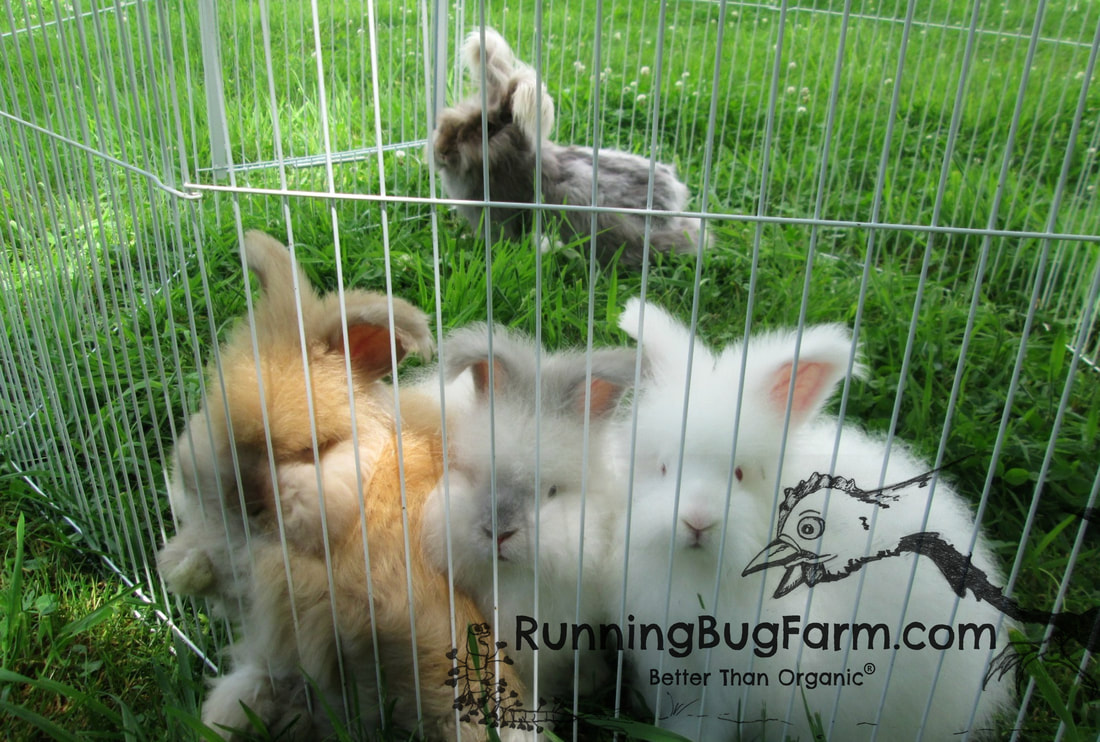
I was so excited because omy Copper Agouti English Angora Rabbit was ready to give birth. Babies! Her first time as a Mama. She must not have fancied the idea. She gave birth to 5 yesterday morning. She ate their ears & feet. She even chewed ones face off. It was like something out of a zombie horror movie. Words cannot describe how it feels to see such a terrible thing done to newly born creatures.
May 7, 2011 ...We will be getting the extremely rare brown guineas along w/ more lavender & the common pearls. We hope to breed them in the future. Having guineas when you have plenty of land is pure joy! We don't recommend guineas if you don't have much property. Even with the amount of land we have they still trespass! Thankfully their trespassing hasn't been enough to create a disturbance with our good neighbors... May 8, 2011 ...No longer do we have to clip their (Guinea) wings. Something you have to do every six months because they get new feathers at molt. They charge around the pasture like feathered beetles. They yell their heads off & fly a little. They can even fly across our large pond & they do it as a group which is fun to see... Early Afternoon attempted rescue in ones PJ's. Hens, Guineas & Roosters yelling & running out of the woods. We know that's not good. So through the pasture & onto the neighboring property & into the woods at a full run to find that damn fox trying to take one of our hens. One stupid hen stood at the top of the hill cackling & watching instead of following the others to safety.
May 9, 2011 ...They (Guineas) charge & yell their horrible ear ringing chatter at deer, opossums, the cows & even the guy that comes to read the gas meters at the neighbors fence line. It is really funny to see the meter guy looking at this gang of guineas screaming at him. One can only imagine what he is thinking while his ears are ready to bleed from the pain! Ha ha ha... May 10, 2011 ..They chase the roosters around & pull out their feathers. Guineas don't like a bully & they make sure the roosters know it! Seeing the roosters running & hiding from the guineas is very funny! They will team up & kill snakes, eat tons of bugs & ticks. They are our "Guinea Gang" & we adore them. No farmstead is complete with out a gang of Guineas charging about the place! Next up, Ducks... May 11, 2011 ...For the first 5 days or so ducklings are so cute it will drive you crazy! They even have little cheeks! They stop being cute very fast. They are crazy with water. They will empty out their waterers in no time flat. Not because they are thirsty but because... May 12, 2011 ... they love to stick their bills into the water & clean their nostrils & squirt the water out the sides of their bills & it goes all over. If you are raising them with out a Mama this means you have a ton of work on your hands. If ducklings are hatched from an incubator or hatchery, they lack the coating they get from Mom that helps keep them dry... May 13, 2011 ...Therefore incubator & hatchery ducklings must be kept dry so they don't get a chill. This is all well & good but ducklings are very determined to be wet! We use the same tubs we use for rearing chicks as we do with the ducklings with a small modification. Unlike chicks who are not water demons & don't require tons of bin changings, ducklings need frequent bin cleanings... May 14, 2011 ...After they are 2 weeks old they must have daily bin changes! This is a lot of work! If you have a lot of ducklings in a bin, you will need to clean their bins more than once a day & if it's this dirty, you need either a bigger space or another bin to separate the ducklings... May 15, 2011 ...We put bedding on about 75% of the bottom of the bin & leave one side free from bedding. This is the side we put their water feeder. We then tilt the bin the tiniest bit so that the water they toss about stays at the end of the bin without the bedding. This helps keep the bedding dry & reduces the speed of it rotting & stinking. Plus it helps keep the ducklings dry... May 16, 2011 ...Ducklings poop a lot. They poop noisy wet poops that you can hear squirt out of them. These big messy poops then get trampled on by their flat webbed feet. Unlike chicks who's poop is rather dry & small most of the time & chicks will scratch at the bedding. Duckling bins get nasty very very fast! We cannot stress the amount of work such little buggers are!... May 17, 2011 ...Ducklings grow so fast it's hard to keep up! If the weather is warm enough you will be eager to let them outside. Not only will you be much happier, but they will be too! You fence them in for their safety. Lots of predators would love such little meaty snacks! Not only that, but they are after all ducklings. Not adults & it is best to keep them confined so they don't stupidly wander off...
May 18, 2011 ...We have concluded that ducks are the most stupid fowl we have raised. Guineas are by far the smartest & noisiest. Chickens fall in the middle. Ducks are so dumb it leaves you shaking your head. They are dumb as ducklings & stay dumb as adults. Sounds mean; we do like our ducks we wouldn't have them if we didn't! But they are dumb! Here is an example:... May 19, 2011 ...They are always afraid of us. No matter what we do, how we act or how much time goes by. They see us walking about doing farm chores. They see us & start quacking the "danger it's the farmers" quack & stare at us while quaking & walking quickly away from us (as if we are after them) only to plow into other birds or objects because they don't look in the direction they are going, they are looking only at us!...
May 20, 2011 ...Put a duckling on top of a table & they will run like a wind up toy right over the edge never stopping. Why? We don't know. Chicks & Guineas tend to be a tad more cautious. They have gone off the edge but usually due to being clumsy. We feel like we push the button & off the ducklings go! They just plow right into stuff, bounce off, bounce over, quacking in terror at the big bad humans. It's frustrating... May 21, 2011 ...We are hoping that once we get a incubator (we are saving up for one) we will no longer suffer from stupid scared ducks. We have been told that when a duckling first hatches it imprints on the first creature it sees as Mom. We want to be the first creature they see! We want our ducks to be as comfortable around us as all our other animals... June 13, 2011 We adopted 2 tortie shell kittens yesterday from friends of ours. Their Mom is a stray. These adorable little sisters will be "barn cats" just like Molly & Jackson. We will get them fixed when they are of age. No pictures yet. Because they are little tots & have a lot of adjusting to do, they will live in the house with us until they are ready to make friends with Molly & Jackson. August 20, 2011 Our neighbor brought us a kitten he thought was one of ours. Funny thing is, we thought it was one of our kittens too! Once we got a good look, we quickly realized we didn't know who this kitten was! So for those of you in our area, are you missing a kitten? If so, let us know & please describe it. This is clearly an animal who was owned by someone. It is sweet as can be. The neighbor was going to drop it off at the pound if we didn't take it... August 23, 2011 That earthquake was felt here too. Our farm & home seem to be fine. Phew! October 8, 2011 Today marks the 1 year anniversary on our farm purchase! Today also marks our wedding anniversary. What are the odds? Sometimes you just know it is meant to be... November 17, 2011 Naturalla Beauty featured our Pawtastic Lotion Bar! I then found Running Bug Farm here! Thanks for the mention Shanti Perez! Yes yes, I am doing a Google search. I think it's a good idea to check every once & a while to see what's out in cyber space about my eco farm! I am finding these lovely posts & am so pleased, I am sharing. Sharing for not only you, but for myself (so I can look back & smile) & to give a plug back to those who mentioned Running Bug Farm without asking for freebies - I hate that! My Cat Grass was mentioned here! December 22, 2011 Approx. a year ago today we were literally freezing & barely getting by. We lost nearly our entire flock of guineas, many hens & our favorite little rooster. Our oldest cat was sick & dying. We were buried in snow. We struggled to keep our home above 50 degrees. We still were not finished unpacking (both inside & outside). We were a stressed out mess. Ironically help was received in the most unlikely of places, not from family or friends but from people who hardly knew us - our neighbors! They knew we were in a bad situation & provided us with many deliveries of firewood to keep us warm plus delicious homemade baked goods & home canned goods. Other neighbors called constantly to assist us however they could. We never asked them for help. They saw our need & were simply there for us. Here it is a year later & how much our life has changed for the better! We are so GRATEFUL for our beautiful life. Hard though it may be, it is our dream come true! So when we are told to be thankful we can easily say we are thankful for EVERYTHING! Our land, our tiny cabin, our wonderful & supportive customers, our neighbors, our animals, our love, our life! What are YOU grateful for?
January 2, 2012 Watching the very high lake effect winds blow the chickens around the pasture. Watching the geese spread their wings, lower the heads & stretch their necks as they run directly into the wind! Watching the adorable little banty chickens peek out of their little houses because the cold is not easy on them. Watching the barn cats snuggle & purr in the piles of hay in the barn with the Angora bunnies. Watching the bunnies enjoy the day - all that wool keeps them snug no matter how cold or windy it gets! Last, when inside watching the snow fly past the window completely parallel as the wind whips it by. Seems it snows sideways today! These are the kinds of days one is very thankful for a fire burning in the hearth & piles of fire wood to assure one that more warmth is on the way.
January 10, 2012 We experienced our first chimney fire late yesterday afternoon. It sounded like a freight train. Black smoke poured into our cabin & poured out in many places through the sandstone. Seems we have many more leaks than we knew about! Considering the age of our home, we guess it's to be expected. Thankfully the fire burned itself out quickly leaving a smoking chimney behind - smoking from the stones on the inside & outside! We learned for a chimney to catch on fire it has to be over 2000 degrees. That's a lot of heat for our little piece of history to withstand! We are once again thankful for the kindness of our neighbors & the compassion of others. Our neighbors are friends with a couple who used to run a fireplace company. They came over within hours to make sure we were safe. When we thanked them for coming by so quickly they said they would have felt terrible if something bad happened because they didn't check things out right away. Now they are going to help guide us in getting a fireplace insert & installing a stainless pipe. This way we can still have our historic chimney while being able to safely & efficiently heat our cabin. We are hoping to find a used or free fire place insert. If anyone knows where we might obtain such a treasure, please let us know. Thanks!
January 24, 2011 Today was an interesting morning. In all our years of raising chickens we have never witnessed this. It was for the most part a normal morning, more pleasant than most as the temperature was pleasant. Everyone gets let out of their respective homes, water is checked & filled if needed, they are fed, talked to & get an overall inspection to make sure all is well. This chore takes about an hour. Imagine our surprise when we witness our adorable Silver Duckwing banty rooster relieving his sexual frustrations by mounting a clump of grass & treating it like a willing hen! Needless to say, we had to stop what we were doing to observe. Sure enough our tiny feathered friend is very sexually frustrated! He took out his needs on the grass several times. All of this occurred AFTER he tried doing his courting dance to the pullets he is housed with. They are too young so they treat him like he is crazy. Thankfully he is a sweet little guy & is never aggressive towards the youngsters - either that or we have a dud rooster!
May 24, 2012 Construction update: We are starting today! However the real demolition begins tomorrow morning. Hopefully we will have a roof over our heads, a flushing toilet & sink by Sunday at the latest. As posted a few weeks ago, I will not close my shops & I will do my very best to respond to everyone & ship out orders as promptly as possible. This is a pretty big event for us. We are both nervous & excited. I have been working hard trying to get my inventory & supplies as fully updated & stocked as possible. As well as taking care of all the animals as much in advance as I can though for the most part they require care throughout the entire day; every day. Even with the best laid plans... life happens.
May 28, 2012 Construction update: We are still under construction. No plumbing or water day 4. Things are a mess so we just want to remind everyone that we will do our best to ship orders out as promptly as possible. We cannot always have the pc on due to the power being turned off, the construction debris & that we ourselves are working along side those kind enough to volunteer to do this back breaking labor. We are amazed by the speed & hard work everyone is doing for us out of the kindness of their hearts. We are working right along side them but they are the ones who are skilled. When you think the world is full of nothing but nasty selfish people. Death & crime as always posted on the news, remember that there are still a lot of amazing people in the world who will nearly kill themselves in order to help someone else in need. Words cannot express how grateful we are.
June 26, 2012 Etsy treasury featuring my catnip seeds by FantasiesSewReal Just Breathe Relax, breathe, feel good. Inspired by my favorite fairytale, as well as a wish to live a natural, sustainable, chemical free, stress free lifestyle. Look good, eat well, and feel amazing. July 3, 2012 John was on the local news. He along with others helped the Red Cross giving out ice & water to people without power thanks to the 2 storms that knocked out our state.
July 4, 2012 Wishing everyone a happy Independence Day! Our hearts go out to those who still are without power & water. We know of one town who is setting up a projector to watch movies on the side of a building to celebrate the holiday. Those that have running water must boil it first, but they are sharing it with those who still do not have running water. Many communities have come together giving each other support & encouragement despite nearly a week since the storm hit us. John has been assisting the Red Cross at Lowes in Clarksburg where they are handing out bags of ice & bottled water for those in need. These communities & volunteers consist of regular every day people. The back bone of America. We The People are what make America great. July 6, 2012 July 18, 2012 We are pretty sure that during yesterday's storm, lightning struck our well pump. So once again we find ourselves without water & fiddling with things we never fiddled with before...
July 21, 2012 Today's early dawn brought much sadness to the farm. The Guinea Gang was not locked up properly last night. EVERY adult guinea except for ONE was eaten by predators. All that remained was a coop full of feathers & one pair of feet. No bones, no heads just tons & tons of feathers. We have only ourselves to blame. Sure we still don't have our well fixed & we have to leave to go to the neighbors to shower besides living in a home still under construction, but no matter how hard our lives sometimes are, we still have 100% responsibility for our animals. They depend on us to care for them & protect them. This is a day of heart break & tears.
July 22, 2012 We think we "fixed" our well pump. The crazy thing is we have it hooked back up exactly the way it was with exactly the same equipment. Prior to pulling out the old pump, it was not working. No water to the house. The bladder tank was good & the switch was good. We even dug up some of the line to check for leaks & found none. So we installed a brand new well pump & had no water! So we then installed a new switch & had no water! We pulled the pump back out (our well is 110 feet so this is not an easy task). We checked the brand new pump & it was working. We put the new pump back into the well & we had no water! We pulled the new pump back out & put the old pump back in. We had water! We removed the new switch & put the old switch back on. We still had water! So here we are with water & wondering what the heck went wrong in the first place!?! We were without water for 3 days trying to get this fixed. We just don't understand how we had no water, still had no water with brand new stuff installed, then reinstall the original old stuff & have water again?!? We cannot help but worry that we will be without water again because we don't know what went wrong in the first place! ???!!!???
July 24, 2012 Our favorite neighbors are back from vacation. We told them about our well troubles & they immediately came up with a very good possibility as to what might have went wrong: When the pump kicks on it twists in the well. This twisting can cause the wires to fray & break over time. This would explain why the pump wasn't working but was working when we hooked it back up. To hook it back up we had to re-splice the wires. Regarding why the new pump didn't work the only thing we can conclude is it required more power than the circuit breaker could supply. It was 3/4 horse power & the old pump is 1/2 horse power. August 6, 2012 Today is a very sad day for my family. I am dealing with the loss of my grandmother known to me as "Little Nanny", "Nanny" or her favorite, "Ma Petite Grandmere". My Nanny died this morning. I ask that you have patience with me if I do not respond quickly to your messages or requests. My heart is heavy & my mind is slow with grief. Thank you for your understanding & patience while I work with my loss.
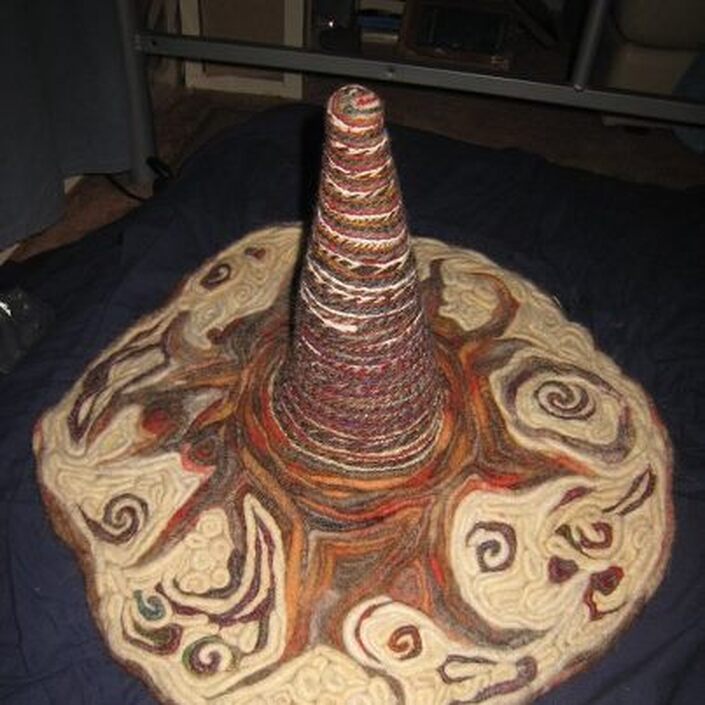
January 11, 2013 Dreaming about what to plant in this years garden? Let this beautiful etsy treasury featuring our cat grass by Veronika make those dreams a reality! March 29, 2013 This beautiful magic hat was made using fiber from Snuzzle my English Angora Doe. - "The white spiral on the cone of my magic hat was spun from Running Bug Farm Ermine English Angora Rabbit Fur. Thanks for the wonderful fibers!!"
April 26, 2013 Etsy treasury featuring my birds feathers by staroftheeast. August 8, 2012 Put A Bird On It etsy treasury by sophiemangalafeaturing my roosters feathers. August 26, 2013 Check out this stunning etsy treasury by Up The Attic Stairs featuring my very own organic elderberry syrup! August 27, 2013 Sweet Dreams etsy treasury by NatashasArtHaven featuring my white chickens feathers. August 28, 2013 Featuring our organic Blue Cochin rooster hackle feathers. My internet connection is so poor that I cannot get our photo to post. Etsy treasury Farmstead by Megan. August 29, 2013 It's Not Over Yet etsy treasury by ljmj featuring my Narragansett turkey feathers. Empty etsy treasury by jljordan2 featuring my Phoenix rooster feathers. September 1, 2013 Spooky foxglove treasury by Lauren Gray of TheHauntedHollowTree featuring my Phoenix Rooster feathers! September 10, 2013 One of the English Angora Kits (baby bunny) we sold this spring to [customer name withheld for privacy] won Grand Champion at the Fair this summer! October 16, 2013 Lovely Shades of Fall etsy treasury by meganlindsayadams featuring my cruelty free organic guinea feathers. October 17, 2013 Winter Textures etsy treasury by lilianadesign featuring my Blue Cochin Rooster Feathers. October 22, 2013 Gorgeous its only natural etsy treasury by Kim of ThePrivateCollection featuring my miniature feathers! A spinners dream of fibers featuring wool from our English Angora rabbit Blue Bell! Luxury rovings and fibers for spinners etsy treasury by Monica of SilkenTreasures. This is a treasury for spinners to drool over. Luxury roving such as cashmere, silk, suri alpaca and angora. Be sure to show these to any spinner on your list! October 23, 2013 It's a dreary gray rainy cold kind of day, kind of like this etsy treasury Elements of Style by Bike Barn featuring my black & white rain drop feathers. October 24, 2013 When Raquel saw Vladimir peeking from behind my hand made laundry soap as featured in this Laundry Day etsy treasury, she was inspired to create her own treasury: A Black Cat Story. November 4, 2013 Etsy treasury Feathers, Feathers, Feathers! by Katherine Barrington of huckleberry0070 featuring my organic Barred Cochin Feathers! Etsy treasury la cage aux folles by Kisha Ragland of kishpai featuring my organic White Laced Red Cornish feathers. Etsy treasury Birds of a Feather by Anne of annefinkle featuring my Brown Leghorn Feathers! November 8, 2013 Whispers in a dream treasury by CinnamonCherry71 on etsy featuring my cruelty free organic guinea feathers! Another lovely treasury, Spotted bird feathers this time by Kerrie Giles on Etsy. This one also features some of my cruelty free organic guinea feathers. December 14, 2013 Gorgeous woodland greens etsy treasury featuring our hand knit hat. Simple Pleasures by Andrew Hick's.
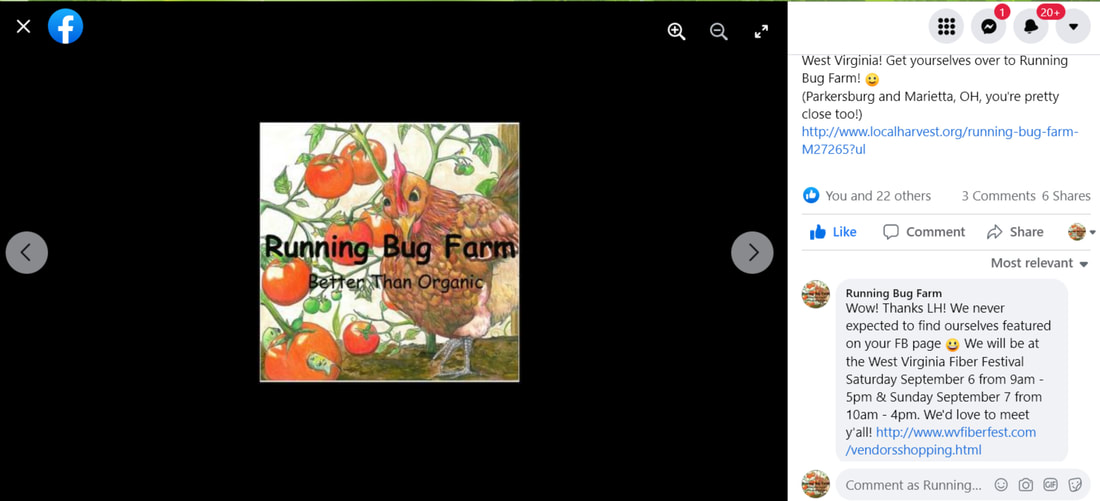
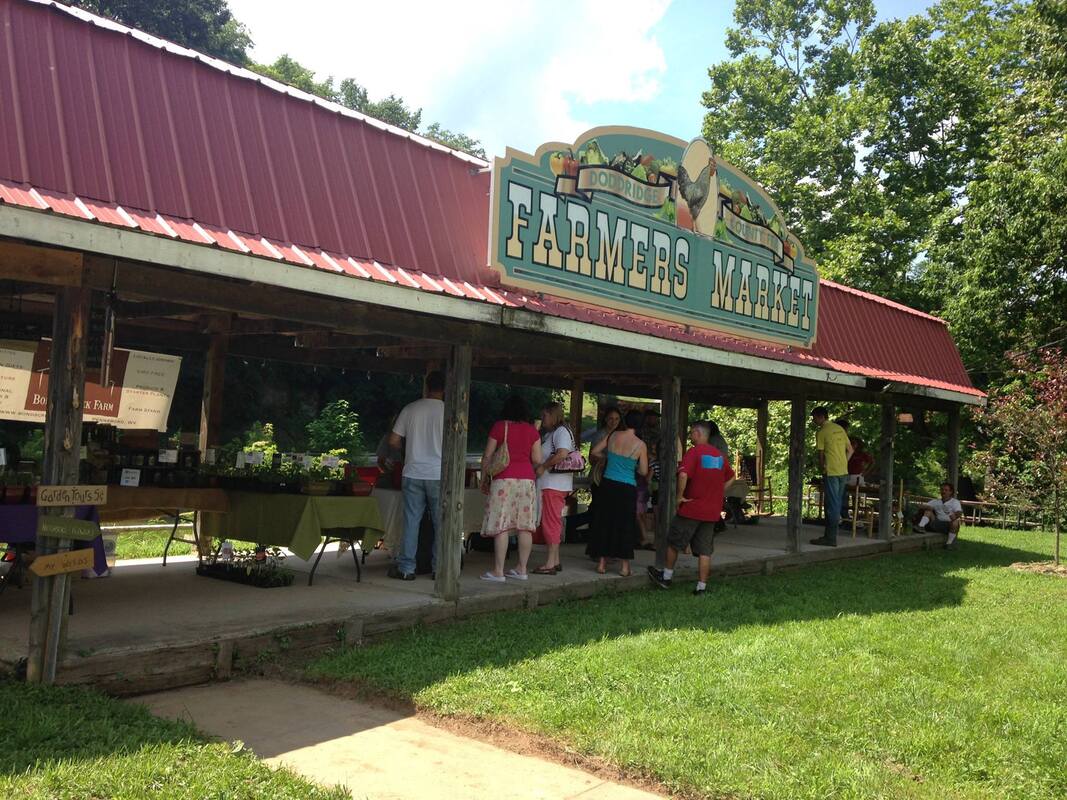
January 2, 2014 Lovely January Snow treasury (think of a treasury a lot like a board on Pinterest!) by klhcornelius featuring my adorable buck Snowbird! January 4, 2014 Lovely Natural January treasury that isn't white! We've already had our fill of snow! LOL! This etsy treasury features some of my rooster feathers. January 6, 2014 Birds & fathers etsy treasury by Karni Kadan featuring my Narragansett turkey feathers. January 7, 2014 WOW! With wings to fly... by Janine featuring my Brown Leghorn hen feathers. January 11, 2014 Treasury Time! Winter Natural Lip Gloss by Denise featuring my Pegasus Poop lip balm. January 12, 2014 Treasury Time! Cream by Maya Ben Cohen featuring my birds feathers. January 13, 2014 Treasury Time! Enjoy. The Future's So Bright by Vasula featuring my birds black wing feathers. January 15, 2014 Treasury Time. A Gray & Amber Day by Pamela featuring my birds feathers. January 16, 2014 Treasury Time. The best geek by Maya ben cohen featuring my birds organic feathers. Treasury Time. Love on Earth by Mister Awesome featuring my organic laundry soap. January 22, 2014 Treasury Time. Feathers in the wind by Kyriaki Stratakou featuring my guineas feathers. January 23, 2014 Treasury Time! Organic Galaxy Lip Balm by Sue featuring my organic lip balm. February 7, 2014 Get your fiber fix with these Fiber Friday - February 7 treasury finds featuring my English Angora rabbit fiber. July 3, 2014 We had a great time at the Doddridge County Farmers Market grand opening yesterday! For those of you who didn't show up, you missed out on fresh herbs, butter, cheese, meats, candles, wood crafts, eggs, veggies, baked goods, handmade chairs & more! The FM will be held every Wednesday from 3pm - 7pm. Please come out & support your local farmers! P.S. If you look closely you will see your friends at RBF pictured. P.P.S. If you show up, you can finally meet us! September 1, 2014 Local Harvest featured us on their page! I never thought I'd see the day! LOL! Too cool!
Local Harvest West Virginia! Get yourselves over to Running Bug Farm! (Parkersburg and Marietta, OH, you're pretty close too!) http://www.localharvest.org/running-bug-farm-M27265?ul
September 8, 2014 My white English Angora rabbit wool won 1st Place with a score of 100 (the highest score you can get) in the West Virginia Fiber Festival's Fiber Competition! The judges said it is the best wool they have ever seen! The wool is from my sweet Ermine Buck Snuzzle
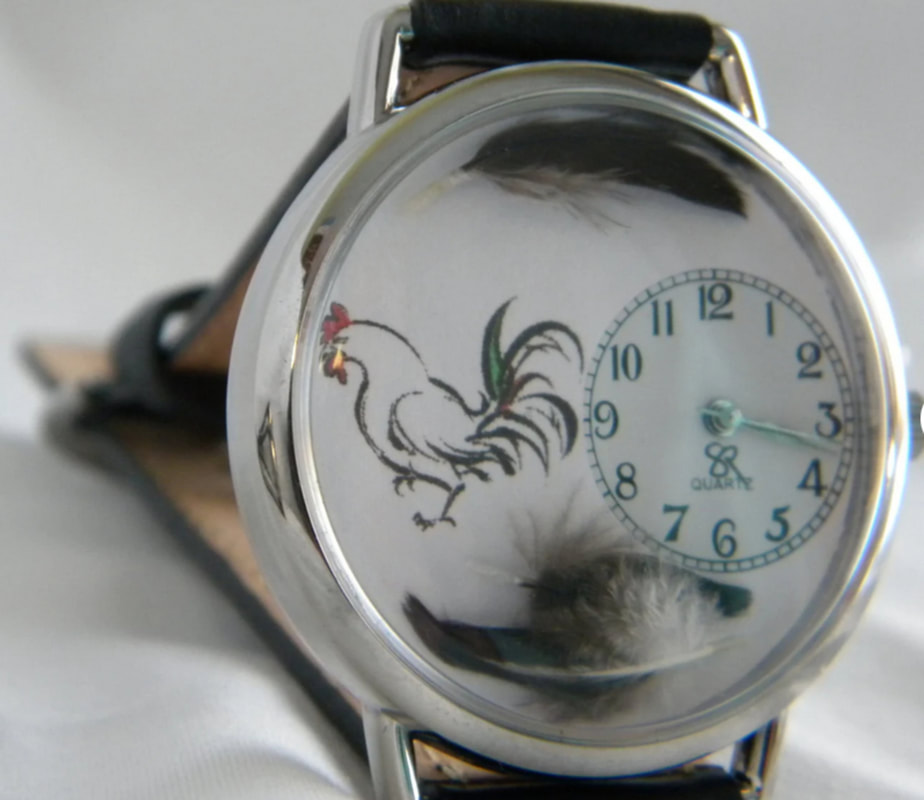
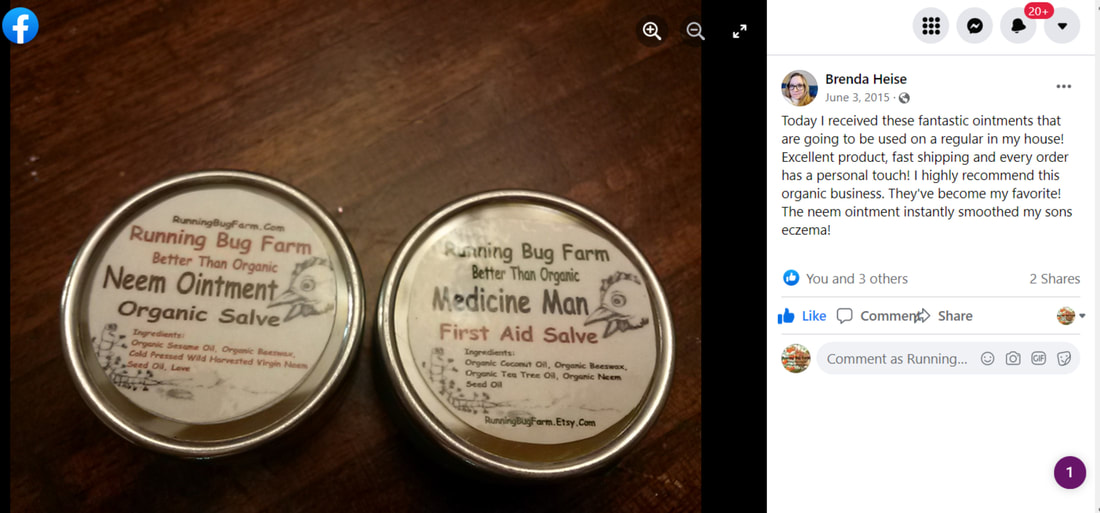
October 24, 2014 Etsy treasury Day Tripper by Jenna Tagliaferri featuring our Organic Brown Leghorn Hen's feathers. December 12, 2014 It's soooo nice to receive a kind word from a customer. It made my morning! Jody Nichols Mohr December 11, 2014 This is a shout out to locally owned and operated Running Bug Farm! Ordered a few items a few days ago and the nicest package arrived today! Great customer service and truly sustainable products. Check them out, you won't be disappointed. February 15, 2015 Sunny River Creations in Rockford, Minnesota uses my birds tiny bits mini feathers to create these unique watches! I love seeing all the amazing things you (my awesome customers) create utilizing my birds beautiful feathers. May 14, 2015 Oh my gosh! Oh my gosh! Oh my gosh! Our farm was mentioned in a article by connect-bridgeport.com! How cool is that? We are both Nervous Nellies & Excited Emma's to be selling for the first time every at the Bridgeport Farmers Market.
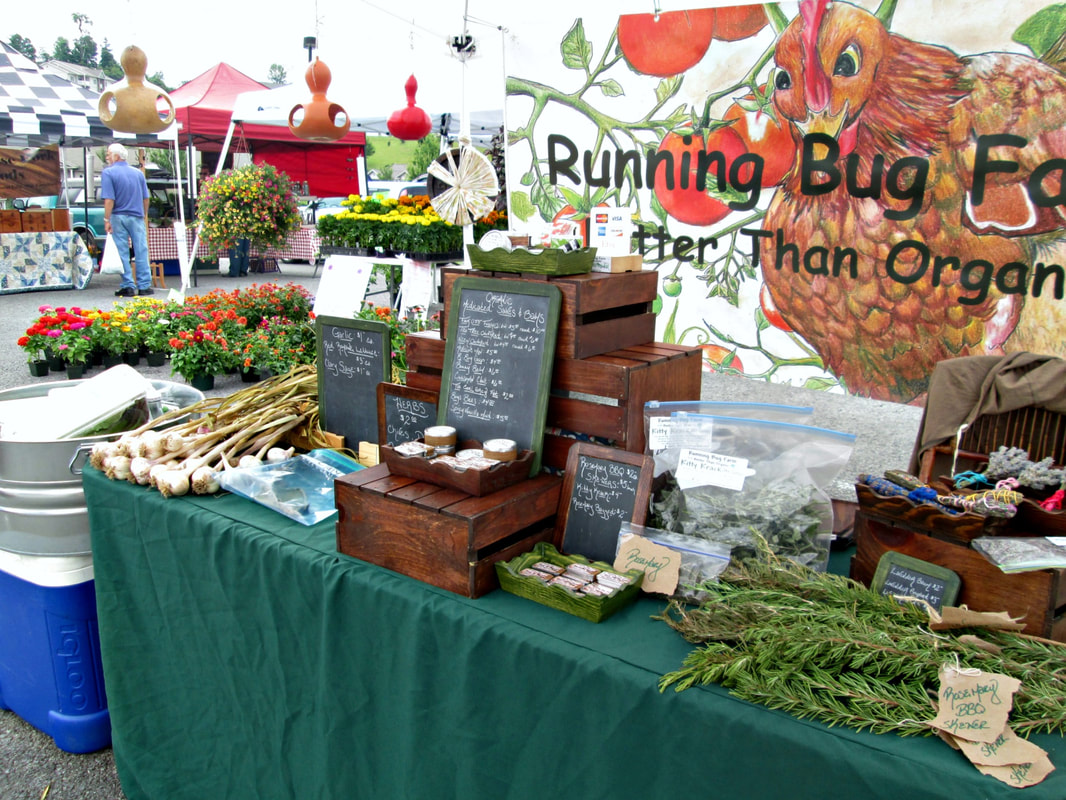
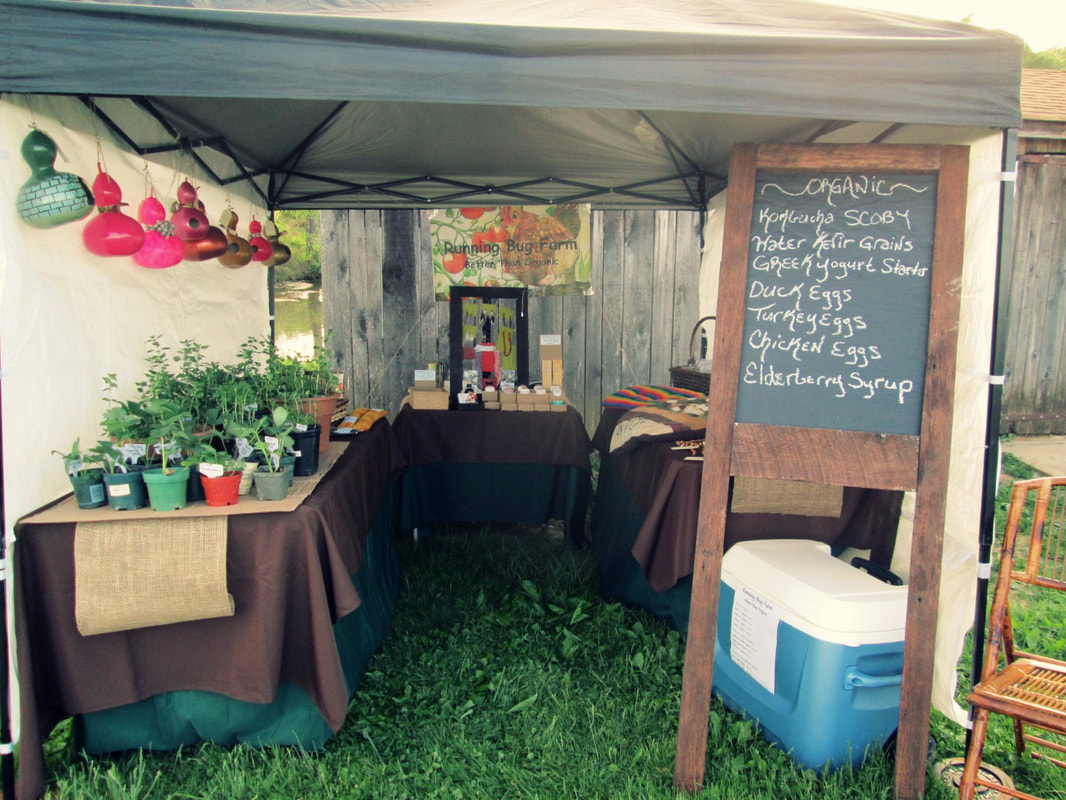
Featuring a Record 40 Vendors, BFM Opens Sunday for the Summer Season By Julie Perine on May 12, 2015 Featuring a record 40 vendors, Bridgeport Farmers Market opens Sunday for the summer season. The outdoor marketplace at Charles Pointe will be dotted with an array of tents where shoppers will find locally-grown seasonal produce, farm-raised meats and eggs and a variety of specialty vendors. Brand new to the line-up are Quantum Bean Coffee, Health Nut smoothies, Gail Phares, Laurel Mountain Basketry, In a Jam Preserves, Mike Diaz, Hasenpfeffer Farms and Running Bug Farm. Quantum Bean Coffee features artisan roaster Sam Bonasso, who will be preparing a variety of coffee-based drinks on site. “He’ll be making pour overs, ice coffees and selling bags of beans,” said Bridgeport Farmers Market President Deb Workman. “We are very excited about that.” Also preparing drinks for purchase will be Health Nut, which specializes in fruit and vegetable smoothies. Gail Phares is a specialty baker who makes allergen-free and gluten-free baked goods and In a Jam Preserves is a Parkersburg-based maker of jams, jellies and preserves from fruits grown on the vendor's Parkersburg farm. Also for sale will be pickles and pickled vegetables, Workman said. Laurel Mountain Basketry of Bruceton Mills is the market's first basket vendor. “They make gorgeous baskets out of West Virginia wood,” Workman said. Likewise, Mike Diaz crafts furniture from hardwoods obtained from his own property. Hasenpfeffer Farms out of Monongalia County also brings a special niche to the market. “They’re actually a rabbitry and will have rabbit meat later in the year, but during the first couple of markets, they will be selling all natural fertilizer made from rabbit droppings,” Workman said. This being the growing season, the product is expected to be popular, she said. Running Bug Farm is the market’s newest grower of fresh seasonal produce. Their products are gown with organic practices. Other new vendors will be joining the market as the season progresses, Workman said. “We could reach 50 vendors by peak season,” she said. As the market grows, there will be some shifting of vendor locations. “We would appreciate the patience of our customers as we have to re-diagram the market,” Workman said. “As we expand, people may have to seek out the vendors they are looking for.” Because of the expansion, the parking area is slightly affected and customers are asked to use caution upon entering and parking. The market’s opening day will bring shoppers asparagus, strawberries, root vegetables, herbs, lettuces and a wide variety of greens. There will also be starter plants, flowers and maybe even a few surprises. “We’ve talked to all of our farmers who are coming this Sunday and they said depending upon how much rain we get this week, they may be bringing some other products,” Workman said. “We want people to appreciate that. Part of the attraction to buying at the market is getting to talk to farmers who grow the produce or raise the beef, chicken or pork. You can ask them about their practices and buy their local products, knowing that your money will help all of that to continue.” While at the market, Workman encourages shoppers to stop by the children’s tent and the dining hub. At the children's tent, customers can learn more about the newly-unveiled children’s activity – the POP (Power of Produce) Club." Children between the ages of 5 and 12 are eligible to sign up for the activity, which begins June 7. Throughout June, July and August, those who enroll in the POP Club will be given at each weekly market $2 tokens, which can be redeemed at the market for fruits and vegetables. “We encourage our kids to try fruits and vegetables they haven’t tried before,” Workman said. Tokens can be spent right away or saved for a bigger purchase later in the season, she said. This year’s dining hub will again feature Bridgeport Conference Center – which will prepare made-to-order omelets among other brunch options – and Cody Thrasher’s food truck, Hash Browns & New Grounds. New to the dining hub is West Virginia OO Bagel Company of Monongalia County, featuring homemade bagel sandwiches and Gourmet Hog-Dog of Upshur County, offering seven different hot-dog varieties with all proceeds benefiting the non-profit organization, Inspiring West Virginia. All prepared food purchased at the dining hub utilizes market products, Workman said. Sunday will also feature the music of Rus Reppert, a chef demonstration by Tim Goots of Mia Margherita and yoga sessions by Meg Shaver. Those yoga sessions will be held at 11 a.m. and 1 p.m. and will cost $5 each. The market will be open from 10 a.m. to 2 p.m. This year, there’s definitely something for everyone, Workman said. May 17, 2015 So cool to see our image the newest blog post by the Bridgeport Market! If you couldn't make it to opening day, we are sorry we missed you & sincerely hope to see you next Sunday! June 3, 2015 You made our day Brenda! We are thrilled that to hear that you love our products! Brenda Heise > Running Bug Farm Today I received these fantastic ointments that are going to be used on a regular in my house! Excellent product, fast shipping and every order has a personal touch! I highly recommend this organic business. They've become my favorite! The neem ointment instantly smoothed my sons eczema! July 14, 2015 Jasmine Southern > Running Bug Farm Just wanted to stop in let you kow our cats LOVED the cat toys we bought Sunday! We bought a wool ball and a feather stuffed square. The wool ball lasted only a few hours before it was completely torn apart. They loved it. We will have to stop back and get a few more. : ) Thank you so much for a much better option then plastic for our kitties to enjoy. July 27, 2015 Check it out! Running Bug Farm was interviewed yesterday at the Bridgeport Market along with some of the other vendors! Many farmers at the Bridgeport Farmers Marker farm organically. Organic farming practices are designed to encourage soil and water conservation and reduce pollution. and studies have shown that these organic foods are more often than not healthier for our body than those that are grown with other farming methods. "We do everything organic well it's actually better than organic because in certified organic they allow over 365 non organic ingredients in USDA certified organic, so that got us really angry. So what we did is we decided to start growing and making our own, including raising our own animals because we didn't want all these chemicals that are still being allowed in organic," Jennifer Layton of Running Bug Farm. People enjoy buying foods from the farmers market because they know exactly where they come from. "For most everything here at the farmers market was grown right here in West Virginia. It was grown within a mile, or two miles or four miles and it's just a wonderful way you get to interact with the people who grew it. They'll be able to tell you when it was picked and how it was picked," said Emily Lewis of Little Red Hen Farm and Bakery. Shopping local helps the economy prosper. When you shop at places like the Bridgeport farmers market or any local store the money circulates back into the local economy. But When you shop at large superstores less than 20% of that money is really ever seen again in your town. Most of the farmers at the market today told me that they keep farming because they love what they do. "At the grocery store you're just under fluorescent lighting and all the cashiers are miserable and why wouldn't they be? You know you come here and you got happy vendors who are selling what they love and you're supporting them and trust me.. We need the support," said Layton. Food items weren't the only things being sold at the market today as there were handmade wooden items, vintage clothes, and even beautiful handmade baskets. "Even though my baskets are more than Walmart they're much much better made and they're one of a kind and I put a lot of personality in them. I dye my own colors and I even cut my own wood," said Juliette Collins of Laurel Mountain Basketry. All in all, the farmers have the same ideas about their industry. "We wanted it cruelty free, and humane, and we wanted animals to live happy, we want the people to be happy and that's it. That's our motivation," said Layton.
December 14, 2015 Yesterday at the Winter Bridgeport Market in our Ugly Christmas sweaters!
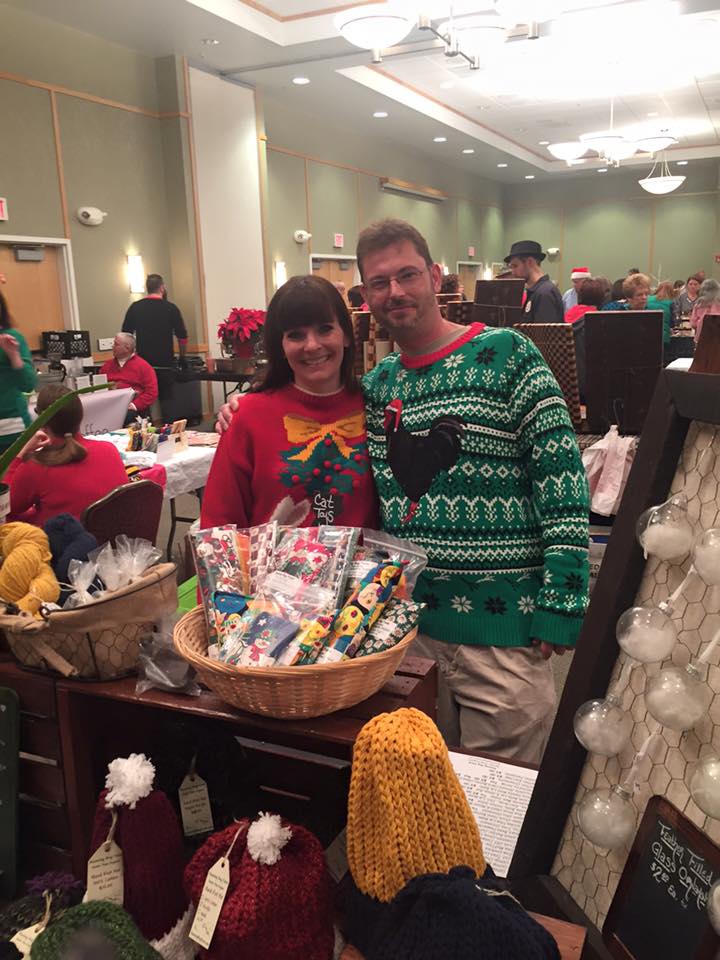
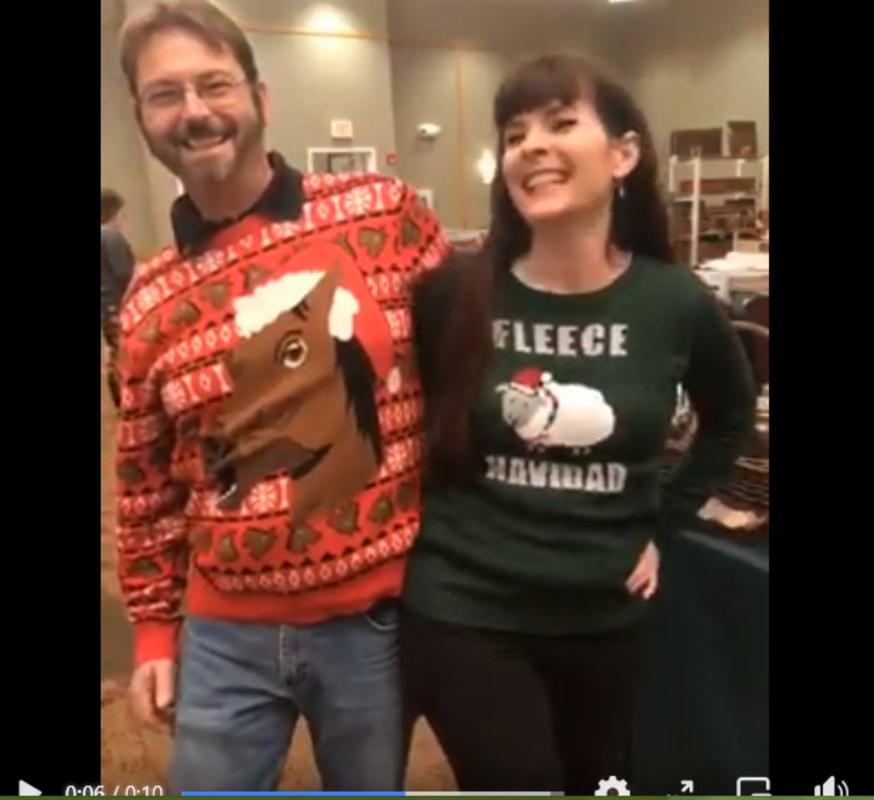
April 26, 2016 Bridgeport Farmers Market is with John Layton. Running Bug Farm is a small eco family farm located in West Union. Meet Jen and John on May 15th and hear about their commitment to providing real, humane, chemical free foods and fiber. #BFMWV December 12, 2016 Showing off our Ugly Christmas Sweaters
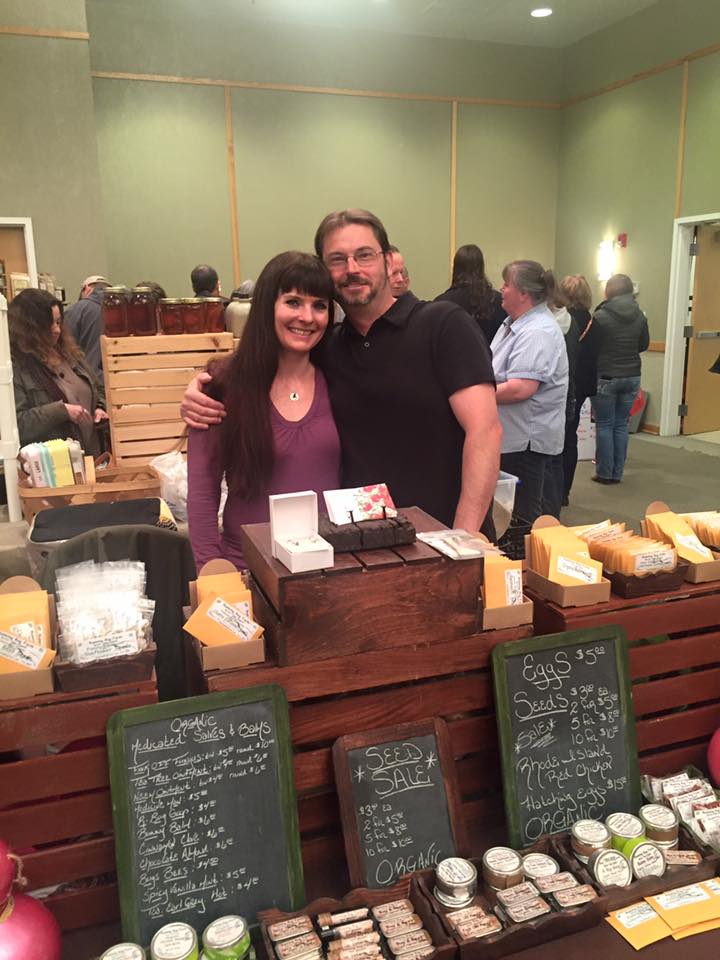
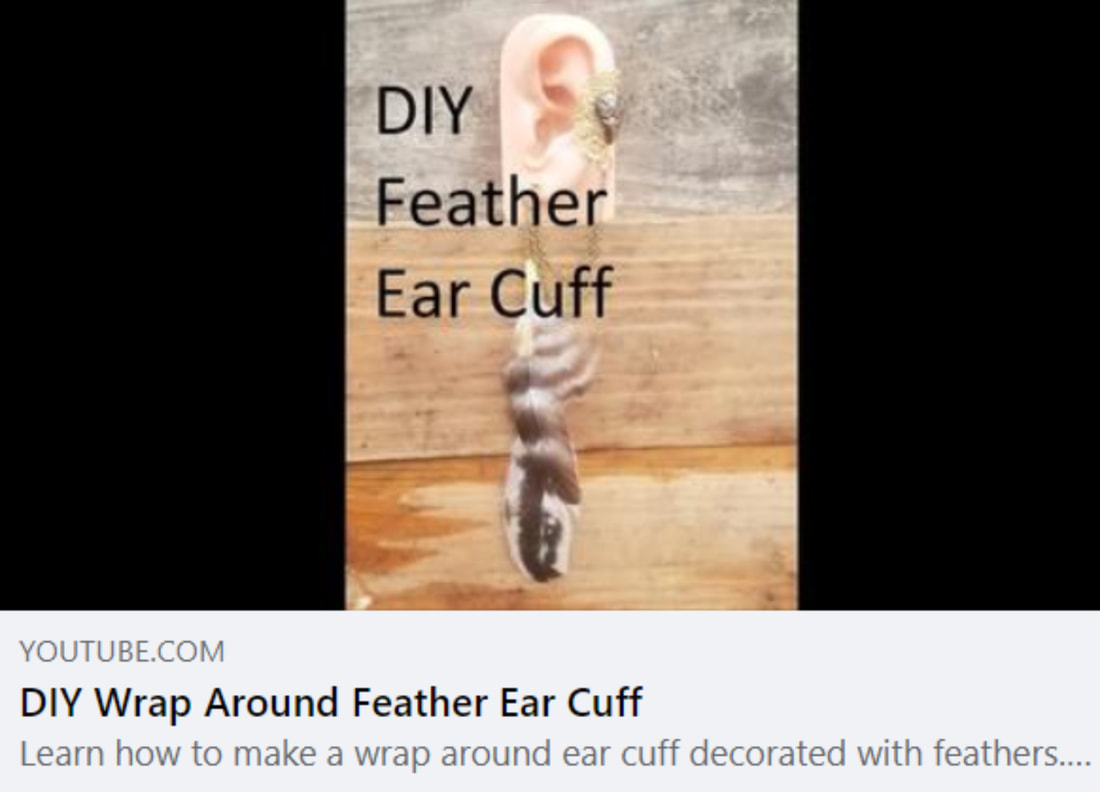
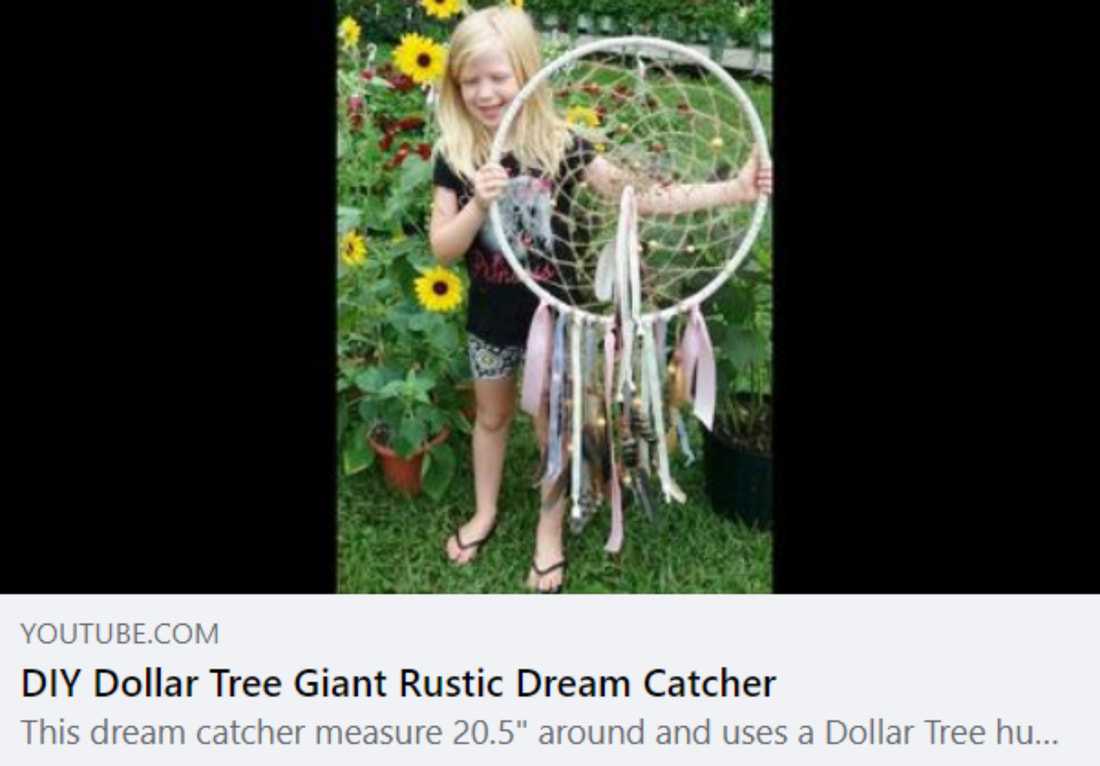
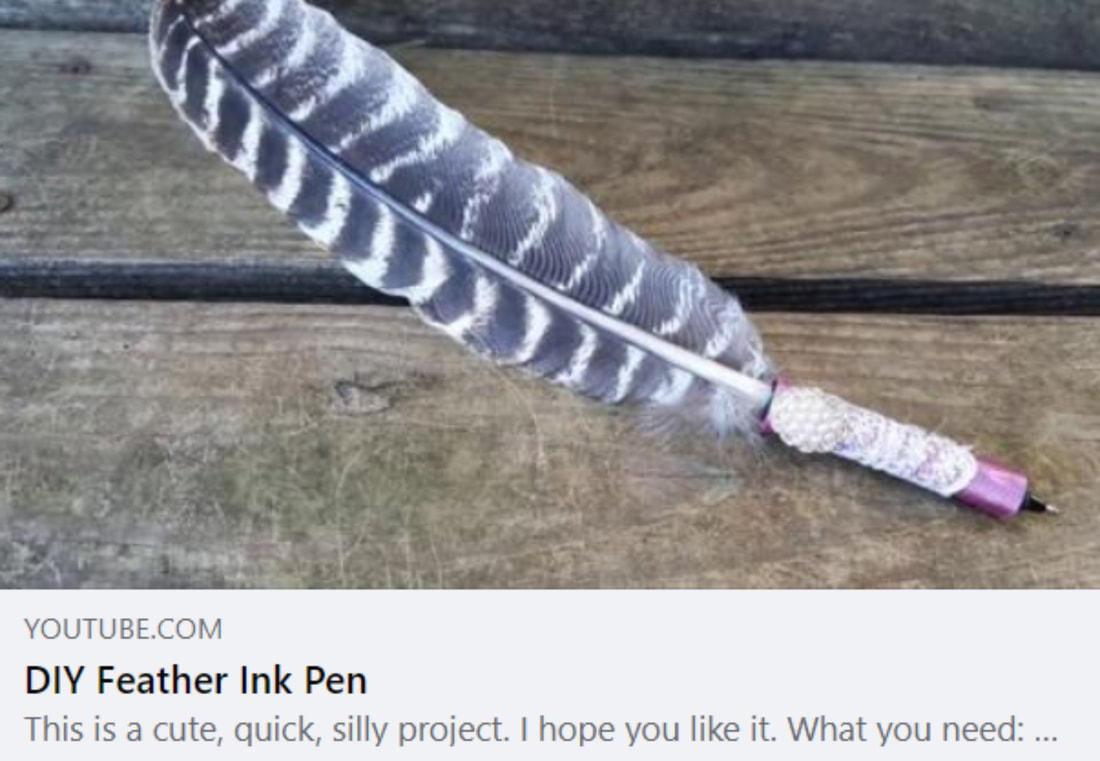
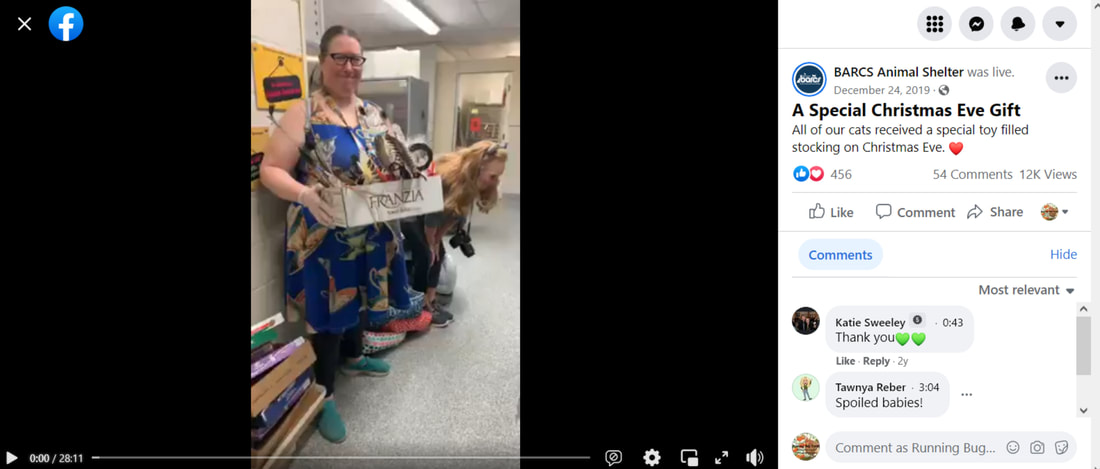
May 21, 2017 Lindsay Cather-Barnes I really missed you guys today. Hope you're well and getting much done this season on your farm! Running Bug Farm We miss seeing y'all too! We are well & are getting a lot done this year now that we aren't dedicating all of our time to the market. We are still farming, just on a smaller scale. If you need anything, please let us know & we can arrange either a pick up or meet. Becky Webster Pearce First... I'm exhausted just listening to everything you guys do I totally agree with you... all those hoops and rules & regulations to deal with. Sounds like all management at these markets cared about was collecting their money. I love going to the local farmers markets and meeting the farmers and seeing everything they have and hearing their stories. Support should always be given to the local farmers.. better food, without toxins and generally are hard working people who are genuinely nice people. Running Bug Farm LOL! It's a lot of work but we love it Not all the markets require payment, although most do. The reasons given are to fund the market to pay for advertising & that sort of thing. Each market is different. Some ask for a percentage of sales, some ask for a fee at each set-up. Some for the payment for that season, & some ask for nothing. We loved selling at the markets. We loved meeting people & chatting with them. We loved chatting with the vendors too & we love shopping at our farmers markets. We are so glad that you support your local farmers Our hope in all of this mess is that things will change for the better. If they don't, it will probably be the demise of our farmers markets. Running Bug Farm You think everything is about you Bob. The fees we are referring to are not the market you mentioned. Nor have we ever said anything about that market. We think you need to go back and reread our blog. We sold at more than one market & our blog is our story about our experiences with these different markets. We have not trashed any market & we certainly have not lied about our experiences. Becky Webster Pearce Gosh, I've known Jen & John since probably 7th or 8th grade... I would have to politely agree to disagree with your statement and would agree with the post above. I can't want to get out of Jersey and move to western PA and have some type of farm, even if it's just self sustaining for Evan and me. The hard work has to be worth the reward in the long run. I know I have a lot of research to do on what goes into a farm. But I'm looking forward to the challenge. Running Bug Farm Thanks! The best way to get your feet wet is to try to do whatever hobby farming you can get away with where you are now. Having a garden, a few hens, can as much as possible, etc. It helped us so much when we moved. We were still in over our heads, but at least we didn't move here totally green! There are a lot of great magazines & books for folks yearning to get back to the land but the majority of them make things awfully pretty rather than realistic. However they are still an enjoyable read & educational in their own right. Whatever you do don't bother with Mary Janes farm. LOL! It is so unrealistic. The rest are pretty good though (Countryside, Grit, Hobby Farms, etc.) as are the books we mentioned in this blog post (and many others). Oh & if you want serious agriculture without the fluff, get Acres magazine. It's all about Eco-agriculture. We don't have a lot of time to blog, but we do post about our experiences when we get the time. There is so much we want to blog about, things that work, things that don't & that sort of thing. We've made a lot of mistakes & are sure to make plenty more, but we seem to learn more when we mess up. We really hope you & Evan accomplish your goal. We think it's worth it. It's really hard work. Probably harder work than you've ever done, but it is so satisfying. June 17, 2016 There are farmers markets in the USA selling coffee which is of course not local (coffee doesn't come from the United States)... fresh chemicals from America grown in another country for your mornings pleasure. ~sigh~ Please, go organic & better yet, go organic fair trade. Only Organic June 17, 2017 Morning coffee anyone? Make sure you choose organic coffee. Most people are not aware that regular coffee consumption can be a significant source of pesticides. Find organic coffee sources here: http://www.onlyorganic.org/organic-companies/ #coffee #cleaneats #goorganic #onlyorganic March 12, 2018 Learn how to make a wrap around ear cuff decorated with feathers. What you need: 20g wire, 26g wire, 3 cruelty free feathers - www.runningbugfarm.com - 9 - 4mm x 8mm resin rondelles, 3 - 4mm x 6mm rondelle crystals, Chain Round, nose pliers, Wire cutters Chain nose pliers Cruelty free feathers: runningbugfarm.com Ear model: etsy.com/shop/bodydoublearts June 3, 2018 This dream catcher measure 20.5" around and uses a Dollar Tree hula hoop, jute, ribbon and lace ribbon. My lovely model in the thumbnail is 7 years old which gives you a size scale. I'm sorry, at one time I said "bundle of wire " instead of bundle of twine. Just ignore me. What you need: 20.5" hula hoop, Jute twine, Ribbons, Lace ribbon, Large hole beads, Feathers, Glue gun, Scissors. Cruelty free feathers: runningbugfarm.com June 8, 2018 Good Toast Handmade Sustainable Dry Goods "i have also had the pleasure of recently connecting with a lovely farming family in west virginia, who grow cotton the way it was meant to be grown. running bug farm produces organic heirloom cotton, sustainably gathered feathers, and other good things from their homestead in west virginia, and i am delighted to have begun ordering my organic cotton from them in an uncombed state, allowing me to be a greater part of cotton-crafting than i was previously able. it was always imperative for me to spin organic cotton (if you do even just a little looking-into the cotton industry, you'll find that conventional cotton is really a huge bummer), but being able to order from a family farm instead of a larger company is so exciting to me. we use cotton for a few of our offerings already, like the handspun dishcloths, but now that we have an even better source for our raw material, we will be making plans to expand our use of organic cotton to make more useful things for your home & closet!" August 24, 2018 Here is a video by BareMoose showing you how to make your own turkey feather ball point pen using my very own Narragansett Turkeys feathers. BareMoose 3.1K subscribers This is a cute, quick, silly project. I hope you like it. What you need: Feather Ribbon Lace Pen Button Glue gun Scissors Purchase cruelty free feathers: runningbugfarm.com August 14, 2019 Where your feathers go We had a few exchanges about how feathers soothe my parrot who came to me severely plucked - you said that you'd had parrots at one time and suggested stiff feathers for mine which is what I've been ordering. I finally posted a short video so you could see her - she's grooming a parrot feather that her veterinarian saved for us. Enjoy! - Audry B. Dewey is a 23 -year-old Umbrella Cockatoo who plucked her feathers long ago -- a behavior that is common in parrots and reflects the frustration of being caged. The follicles are dead so her feathers will never grow back. Now she takes great comfort in gently grooming molted feathers from other parrots. December 13, 2019 "I just wanted to say thank you again for your wonderful feathers. Many of them made their way into special holiday stockings for the shelter cats, and we even had a Facebook Live video where we gave them out - you might recognize some of your feathers in the video, so I wanted to share. " - Tiffany December 18, 2020

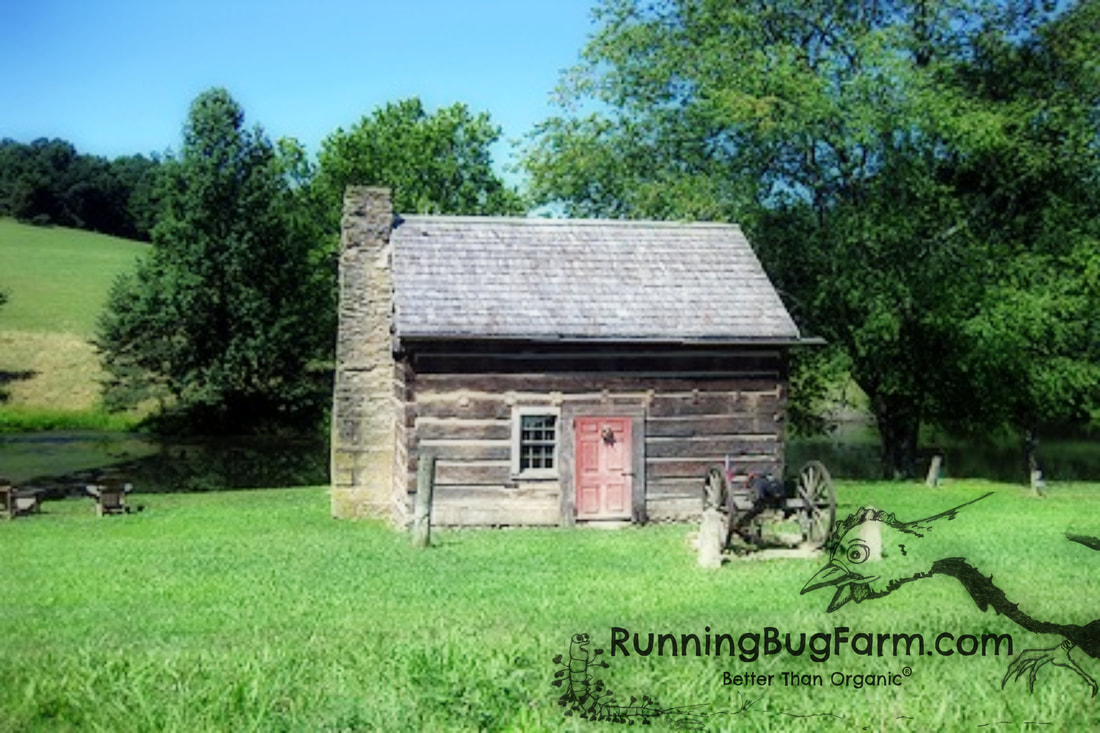
The coronavirus vaccine is just like the flu shot – What a lot of people don’t realize about the flu shot is it does not stop you from getting infected with the flu virus and having the flu virus grow in your system, and then making you contagious to others and giving you mild symptoms. The flu shot doesn’t even stop that. All the flu shot does is make you feel less sick, but you’re still just as contagious, just as infectious to other people, and that’s why we see the flu everywhere. Maybe people aren’t dying from the flu as much as they otherwise would have, maybe not feeling as sick, but the flu still breaks out every year despite mass vaccination, and so far, scientifically, that’s all we also know about the coronavirus vaccine. The Covid-19 Vaccine: What You Need to Know with Dr. Bob Sears Previous: Why We Stopped Selling At The Farmers Market When we first moved here we discovered that our humble little home was popular with the locals. Our neighbors showed us the picture (above) of a painting one of their guests did of our home because they were so entranced by the idyllic scene our home created. Our neighbors still have the original. I asked if we could take a photo of the painting & they said "Yes.". So here it is. Isn't it lovely? I am excited to also share this brochure by MAP (Marketing And Promotion) of Doddridge County from 2002 with you. The entire back page (pictured above) of the brochure features a photo of our home. It is a historic log cabin that is believed to be build in the late 1700's or early 1800's. We were told when we bought our home that the cabin (the logs & the stones for the chimney/fireplace) originated in one of the New England states. As the story goes, it was moved to where it is now in West Virginia sometime in the 1970's. A few stories were shared with us from the locals. Mostly that our home was used as a hunting cabin. Our first year here, nearly everyone we met told us they hunted at our cabin when we told them where we lived. It was also a party cabin. We were told about some wild parties held within these historic logs. We met two young women who were so pleased by their party days (they also had a bit too much to drink when they met us) they proudly announced how they danced around the cabin in their underwear. How they fit so many bodies into such a small space or stayed warm wearing only a bra & panties is a mystery - it gets very cold in here! One of the most interesting stories we heard was about a woman who wanted to experiment on what it was like to be a deaf mute. She spent a month living in our cabin. She spoke to no one. The neighbors seemed to think there was something wrong with her. They couldn't understand why anyone would want to live in a rustic cabin with no running water, no bathroom, & no electricity for a month all while pretending to be deaf & mute. Granted, the locals didn't seem to have a problem with the lack of amenities when utilizing our cabin as a hunting shack or party house. It's all about perspective isn't it? When our neighbors came across this pamphlet while cleaning out their house, we were ecstatic. We heard many times from the locals that our humble little home was famous 'round these parts, featured in a brochure, but this was the first time we actually saw it. Originally I planned on just sharing the photo of our home, but realized that this was also a great opportunity to share with you what our little town & county is all about. Granted things have changed since 2002, mostly due to the Marcellus Shale (Oil/Gas/Fracking) but it is still a wonderful little town, where everybody knows your name. Just like in the movies. Here is an example of typical small town life, one of the shipping labels on a mail piece had our address nearly completely removed. By nearly completely, I am talking the barest suggestion of an address remained, yet the folks at our local post office knew exactly where to deliver our mail from what little was there was to work with. On the opposite end, we recently had a customers package get returned to us because the customer put in one wrong number for their house number. All the other information was correct yet rather than deliver the package, it was sent back. Naturally our customer wasn't happy with their mail person. It is amazing what a difference a truly small town makes. Our narrow country roads are now pitted & crumbling thanks to the huge Oil & Gas trucks that use our roads 24/7. If you decided to visit, please drive slowly, aside from trying to avoid all the holes in the roads, many of the Oil & Gas folks like to drive on the wrong side of the road rather than slow down for the countless hairpin turns our WV roads are known for; they will live if they hit you, you probably wont survive. If you want to speak out for all of us country folk, record your trip & show the world what it's like in a small rural mountain town. Show the good & the bad, we have both, but we can practically guarantee that even with Oil & Gas ruling, you will love our town & our people. Our small town now has a brand new library (there was a library when we moved here, but it was in an old building & very cramped) with a huge community room, a section for teens complete with furniture, a main area with comfortable seating & a huge fireplace & more. You will surely enjoy the nostalgic feel of a time gone past as you meander past many historic buildings & enjoy our towns Main Street which has been re-done with old fashioned street lights & bricked sidewalks. There is a lot of outdoor recreation available for anyone who enjoys getting back to nature. If you decide to visit, I personally recommend the Rail Trail. You can bike it, hike it, or horseback it. There are various tunnels & bridges to cross, places to picnic & enjoy. While Oil & Gas are King, if we can get more people here to support what else West Virginia offers (WV has one of the best wine growing regions in the country among many other things), maybe we will one day see a change for the positive in our beautiful state. Now this is a place we have made our own, a place we have made our home in Wild & Wonderful West Virginia, Almost Heaven.
Previous: Goats Giving Birth & Birds Building Nests Our third year living here, John had a serious accident on our road that caused us to be without a truck for a year. While en route to deliver a flock of cochins to a small hobby farm up the road when going around a hair pin turn at a very slow rate of speed, our truck fell into a massive pot hole. Calling this beast a pot hole isn't really accurate when it takes up nearly the entirety of the lane you are driving in & is a deep abyss. There was no time to react because John couldn't see it thanks to the turn in the road. When the truck fell in, the steering column snapped. The truck was jerked to the left & went head on into a tree. The front of the truck wrapped around the tree in a violent embrace. The rest of the truck crumpled like an accordion. The crate used to secure the flock of chickens slammed against the back of the truck, busting apart & shattering the back window. The chickens burst out in a fury of feathers; flying everywhere in panicked confusion. Not wearing a seat belt (this was an accident, John usually wears his seat belt), John hit the windshield head first, doing a fabulous job at breaking said windshield with, you guess it, his head. When he managed to regain his senses, he stumbled to a near by house for help. The necessary calls were made & the police & paramedics arrived. They confirmed both that John was not under the influence & that the accident occurred due to the terrible condition of the road. Thankfully, they helped a very injured John catch the chickens so he could bring them home. None of the chickens were injured or lost. The truck was towed. Nothing salvageable. A few days later once the shock of knowing John could have died receded a bit, we decided to sign the title to the truck over to the tow company as payment for the tow fee. The most likely reason the road was (some parts still are) in such horrible condition is because of the massive amount of traffic created by the huge oil & gas trucks. The roads were not designed for so much traffic or vehicles with so much weight, so the roads quite literally crumble apart. The state may or may not fix it. In this case, the road was repaired the next morning. It seems to take a serious accident or death before anything will be done around here. So what does any of this have to do with the farmers market? The point is that this event put us off yet another year from being able to transport goods to any market. It took us a year to save enough money for a down payment on the truck we have now. We bought it used & had to take out a loan for the rest. This was the first time we ever had to take out a loan to buy a used vehicle. Farming rarely generates enough income to have a healthy savings account. Please keep that in mind before you quit your job & move to the country. I am not saying it's not worth it to move to the country. Like anything in life, there are positives & negatives to any situation. What matters is what makes your soul sing. For us, it's being in the country despite all of the hardships. It can be brutal, but it is also beautiful beyond belief. In the meantime we heard through the grapevine from one of our farmer friends that a new person was in town & planned on starting a farmers market in our county. We were so excited! This is exactly what our little community needs! We were there on opening day as customers. We met the person running the market & explained that we would love to be vendors, but it wouldn't be possible due to our lack of a proper vehicle. When they offered to sell our goods we foolishly thought it was to do us a kindness in our time of need. We let them know that because we didn't have plans to sell at any markets that year, we weren't growing enough food to feed ourselves, our animals, & potential customers. Later as the market progressed we found out they collected a fee to resell goods. We admit, we can be foolishly naive sometimes. For the entirety of that growing season we promoted this new local market on our farms Facebook page as well as on our own personal Facebook accounts. We also visited as many of the markets that we could making sure to buy from the vendors. The market was tiny, the customers were few, we really wanted to see this grow. The next year we contacted the person running the market in the late winter to let them know we finally had a truck & could sell. We volunteered to help with repairs & continued to promote the market. On the first day of that markets season, we set up & were shocked to find ourselves being ignored by nearly all of the vendors we purchased from the year prior. Almost no one welcomed us to the market. Almost no one walked to our table to see what we had to offer. This was very odd to us. These people got to know us all of the previous growing season. We chatted with them, encouraged them, joked around, & bought from them. We are not saying all the vendors were like this, just the majority of the vendors. We speak to a few from this market to this very day & enjoy their company. For those who are curious, that day for a day & a half of prepping & four hours at the market, plus the time it takes to return home & unpack we made $25. Not $25 in profit, $25 total. When the next market day rolled around we both couldn't be there. This means I had to get everything done. Upon arrival, lugging out heavy bins, tables, live herbs, signage, etc. alone, no help was offered while struggling to set up. Don't get me wrong, no one is obligated to help. After all folks have their own displays to set up. What made this situation rather unbelievable is that while unloading the truck I realized that I was in the way of another vendor. This vendor was a man in a huge truck who sat inside the cab & watched the entire time. When I was done, feeling rather flustered & stressed over being in this sturdy man's way, I finally moved our little truck. The man then pulled up & set up. This vendor by the way was the one we spent the most money on at every visit as customers the year prior. This vendor never even spoke to me for the four hours & beyond I was there. A true gentleman to be sure. For those who are still curious, at that market the grand total for all my labors was $24. Again, not $24 in profit, $24 total. During this time we were still actively promoting the market on our farms Facebook page along with another market that we would be selling at that month also for the first time. For whatever their reason, the person running our local market contacted us through Facebook to inform us that they didn't approve of what we were posting on our farms Facebook page. They told us that if we didn't remove the posts they didn't like, they couldn't promote us on the farmers market page. While they were on a roll, they also told us that we couldn't sell our chicken eggs at the market anymore because there was a vendor there (our neighbor) who sold chicken eggs. FYI, no one ever bought any eggs from us, so telling us we couldn't bring them because we were taking sales from another vendor was moot. After that we decided that we would no longer sell at our local market. There was no drama, no bickering or fighting. We simply stopped going. The person running the market never inquired about our lack of attendance or if we would be back. It was as if we were never there in the first place. Considering how we never felt particularly welcomed at this venue, this really wasn't much of a surprise. We still would love to see this market grow, but the person running it created more rules making it more difficult & costly for vendors to sell there. We know this because some of our farmer friends who sold there stopped once a bunch of paper work & fees were required. As of this year, there is now a new person running this market. We hoped this person would do things differently, but this doesn't appear to be the case. In the spring we received an email from them with all the same rules, costs & regulations that chased off last years vendors. This little market is not thriving & isn't likely too without positive changes that benefit rather than burden our farmers. Next was the "big" market in Harrison County. The one everyone buzzes about. Very early in the misty morning we were directed where to set up our tent for the first time. We discovered we had a view from our spot at the market of the person that ran our local market (they were a vendor at this market) as well as another vendor from our local market (also vendors at this market). Aside from that we knew only one other vendor. Here we are, nervous & excited. We know virtually no one & all we can say about that first year is, wow what a difference! We were warmly welcomed by many of the other established vendors. Some even gave us tips about how the market works. Things like when there tends to be a lull, when it is usually the most busy, etc. When the market opened the customers were so friendly & full of smiles. The atmosphere was amazing. We loved that first season. We weren't making a lot but it was so wonderful to be around so many like minded people. We made many new friends, had the opportunity to shop for fresh foods, sundries, plants & more. We only missed two markets that first season. The first was when the truck had to go into the shop. The other was when we let the board of directors know we would be vendors at the West Virginia Fiber Festival. That first season, there was no paperwork to sign. It didn't cost anything, all we were asked was to show up on time & stay for the duration. We had to make sure we had whatever paperwork was required by the state, not for the markets board of directors, but for the inspectors that would show up so we could show we were following the state laws that applied to us. Our biggest problem that first season was having our crops wiped out by deer. We were doing fine until we had to re-home our livestock guardian dog due to aggression towards humans. In less than two weeks after re-homing him, the deer moved in. We had so many folks telling us we had the best green beans at the market, but couldn't keep up with demand as the plants were none too happy about the deer chomping on their foliage. We vowed we would get deer fencing as soon as the money became available & would have plenty of produce the following year for the market. Next we participated in the winter market for the first time. This cost a $25 table fee & was worth every penny. Selling indoors was great, no wind to blow our goods around & no fear of flying tents or bad weather. The indoor market was more of a craft market, where you had crafters, farmers, & farmers selling their crafts. The indoor market was once a month & had a theme for each month. It was a lot of fun & always great to catch up with our fellow vendors & customers. The next season was just like the first regarding the rules. We also had our deer fencing up, so we could really concentrate on growing lots of fresh produce for the market. When we acquired a Jersey Heifer who we were bottle feeding, we knew we took the final step in having more work than we could handle. We let the board of directors know we would only be able to attend the market when both of us could be there. Trying to go solo meant stumbling around in the mornings dark, (yes, you read correctly, the dark) trying to take care of all the animals & ourselves, getting produce cut, getting the truck loaded, getting cleaned up & getting off the property in time to drive an hour away to then get everything set up alone on time & try to make to the bathroom. Solo, no way! We barely accomplished this when it was the two of us. We burned out pretty fast & as the season progressed & sales were not what we'd projected, we started to cut our losses & reduce our labor bit by bit. That second season was a disappointing market in many ways. We stopped calling it the farmers market & just started calling it "the market". There were hardly any farmers, mostly food trucks & artsy craftsy vendors. We would watch from our tent as lines formed from the cake & ice cream truck. They would quickly sell out of each type of sweet treat while our produce slowly wilted in the heat. This is not to say we never had lines, but fresh produce just can't compete with fatty sugary treats, hot greasy food trucks, & the like. Look, we get it - salt, sugar, & fat sell. They sell because they are delicious. We love the stuff too. But lets keep it out of our farmers markets & promote good wholesome foods instead, okay? Our thoughts throughout that season constantly returned to a vendor who told us, "We actually thought we'd make money selling produce!" Then they gave a disgusted laugh. That vendor no longer sells any produce. They sell pantry items now as it makes them money. We were where they were a few years ago. Selling produce doesn't pay. You work from sun up to sun down. You are dirty, bug bit, & exhausted. You work the fields every single day & you make less than minimum wage. Standing under that hot tent we would joke around saying we need to totally revamp ourselves, get rid of the organics & the produce, make new signage titled "Sugar N Shit" We were sure we'd be rich. We weren't the only vendors who were unhappy with the direction the market was taking. The general feeling was that vendors weren't making enough money to justify the hours upon hours of labor put in to attend. We were already brainstorming what we would do for the next outdoor season because as mentioned, selling produce wasn't cutting it. The market added things like book vendors, coffee vendors (now that's local! Who knew you could grow coffee in WV let alone in the USA!), prepared food vendors, more food trucks, jewelry vendors, etc. Every year the market grew in size, but folks only have so much money to spend. Do they get cake, ice cream, soda & hot dogs that they can eat right away? Or do they get watermelon, green beans, eggs, & herbs that they then have to go home, get in the kitchen & prepare? In our area, the majority go for the fast food. Maybe you our dear reader, have a more health conscious area & folks go home with the good stuff; the fresh stuff from real honest to goodness farmers. Before we knew it the indoor market had rolled around. Same rules, fee & schedule as the prior indoor market. By now I was making goats milk soap & much to my delight, I found my calling! Folks loved it! I developed repeat customers by the third market. We were thrilled. We were addicted - to soap making that is! I had trays & trays of various soaps curing for a month at a time, bringing what was ready to the winter market. I had so many requests for various types of soaps using our goats milk. We knew what we would be doing for the next outdoor market, goats milk soap! We figured we'd still bring produce, but only what we had extra of rather than growing extra. We would still bring eggs, but our focus would be our goats milk soap, lotions & lip balms. Around this time we had a bit of an upheaval with John's job. The company did a "management restructure" across all their stores in the United States. What this means is that John along with countless others lost their positions & had to find new lower paying positions. It also meant a schedule change. John would only have one Sunday off a month. This meant that I had to do everything solo. We decided that bath & beauty really would be it, as it was just too much work for one person. At the third to last indoor market we were approached by the same individual who ran our local market (the market we left two years prior) with a packet of paperwork to fill out & return. In this paperwork, we learned that the board of directors added additional members & a brand new role called Compliance Manager. Guess who that was? Yep, the person who ran our local market was our all new Compliance Manager. We briefly glanced at the papers, but were still setting up for the market, so didn't give it much thought. When another vendor who made very unique pottery joked with us about the paper work asking us if we wanted them to get their lawyer to review it for us, we joked back thinking it was all in good fun. We knew we had until the last indoor market to have the paperwork signed so we sort of forgot about it. At the second to last indoor market the Compliance Manager approached me for our paper work which I explained I didn't have yet. I also let the Compliance Manager know that one of the things they were demanding didn't exist. As in it wasn't required. When I tried to explain the Compliance Manager named dropped, (I probably rolled my eyes, seriously name dropping?), then they turned their back on me, showed me the back of her hand & said, "Whatever, I'm not arguing with you, just have the paperwork filled out or you can't sell here anymore." Now I was pissed. We discussed things while setting up & decided to speak with the head board director & see if we could have this resolved. We pulled up the information from The West Virginia Department of Agriculture website showing, no, proving that this permit was not required. Not only was it not required in the state of WV, it wasn't required by the USA as a whole! Before I managed to speak with the head board director, the Compliance Manager got a hold of her ear for a very long while. There were a lot of angry looking nods & crossed arms. So naturally when the head board director came to speak to us, there was attitude from her. This was very shocking to us & confusing. We never had any issues or been spoken to by her in this way. We thought we surely must be reading her wrong & kept smiling & smiling & smiling, but the smile was not returned - ever. When I showed the head board director that the permit wasn't required I was told that she understood that that was what I believe. Yes, you read that right, what I believe. We knew right then at that exact moment that it was over. How could we ever work on real issues if we couldn't even work out this very minor issue? This wasn't our opinion or belief, it was fact & we had the proof of this fact right in front of her! After this market we actually sat down & read every paper word for word & were floored by the audacity of the board of directors to create so many unnecessary rules & burdens upon their vendors. A true farmers market first & foremost should be about connecting the farmers with the consumer. The true purpose of a farmers market is to give consumers a choice other than the grocery store. The real purpose is to get folks back into their kitchens to cook real wholesome foods. The purpose is to connect with your farmer & know where your food comes from. The purpose is to put money back into your local community. The purpose is to regain your health. It is about reducing waste & going green. It is not about upscale fancy packaging or prepared foods. My my my, how things have changed from the days when folks read books like The Omnivores Dilemma, Animal, Vegetable, Miracle, & Fast Food Nation. A market shouldn't have thought police telling vendors they must perform to their satisfaction or that they must maintain a positive attitude or dictate what vendors may or may not put on their signage. If a vendor is not compliant they can remove you. Scratch that, they can remove you for any reason even if you comply with all of their burdensome rules & ideas. You even have to give them the right to access your farm so that they may inspect it if they deem your farm needs inspecting. As if the government doesn't make it difficult enough for small local farmers to connect with folks interested in real healthy foods, now the very farmers markets themselves that were supposed to help, are now creating more burdens than the government, yet the folks running these markets are just regular folks. They are not government officials. So why the power grab? Only each individual can answer that. For us, we wanted no part of it. The situation at our markets reminds me of many situations laid out in the book Folks This Ain't Normal. If you haven't read this book, I highly recommend it. Why would we ever willingly hand over, give up our rights to the board of directors or anyone for that matter? When the head director contacted me about selling at the outdoor market, I very nicely said that it wouldn't be possible this year because we have too many projects that we are behind on (all true). I started to let the head director know what we were up to, the head director cut me off & said she had another call coming in. So I said good bye. The call didn't even last a minute. So much for caring about local farmers.
A few days later one of the board of directors contacted us letting us know that they were sorry to see us go. They complimented our farm & wished us well. We were shocked & warmed that there are still some decent folks on the board of directors. This gave us hope for the future of all farmers markets everywhere until this same person later gave us a hard time for sharing a meme on Facebook regarding conventional coffee & how it is grown with pesticides & is not local to the United States. We don't sell at your market & yet you feel you have the right to tell us what we can & cannot share on our Facebook page. Unbelievable. After spending a very long spring morning & afternoon working around the farm, I went in for break. This is when I stop to drink vast quantities of herbal tea, fill my hours empty belly with nourishing food & give myself at least an hour of downtime, usually spent reading while eating. While trying to relax, my cats alerted me that I had a wee visitor in my wood stoves fire box. Looking at me through the glass from behind a crumpled paper bag was a silent Starling. Well, no emergency there. These birds are a yearly spring pain in the backside. No matter what we do, they always manage to put a nest in our chimney. We have tossed out their nests, & they build another. John put mesh over the top of the chimney, they still find a way in to make another nest & raise their young. With this comes the joy of having them fly down the chimney pipe & getting trapped in the fire box. Sometimes the baby birds fall out of the nest & into the house because the 1700's chimney bottom is open. Our wood stove pipe runs inside our chimney. In no hurry to remove the oddly silent creature, I finished my break in peace, well sort of. The cats were pretty excited about their bird TV. Once I finished eating, I opened up the wood stove door to remove the Starling. Naturally, it exploded out of the fire box to promptly bash itself all through the houses windows & doors, much to the cats delight. When I finally caught the still silent pest & was putting it outside, I heard one of the goats crying. This wasn't a normal cry. This sounded like the goat was being killed. I immediately hurried to the girls barn to find June Bug laying on her side in the pasture. She was panting & screaming her head off. It was horrible. I laid down on the grass with her to assist in the birthing process should it be necessary. With each shove her lips curled back from her teeth & she bleated an agonizing cry. Her mother would bleat to her in answer. Her labor was as disturbing as any labor can be, seeing the female body shift & expand to bring new life into the world. June Bug stood up after a bit. She stopped yelling & looked around. After a few minutes she lay back down on her side & started the pushing & screaming all over again. This was my first time being present at a kidding, so I had no idea if any of this was normal having no experience to fall back on. Should I try to intervene? I wasn't sure. With each mighty push, I could see something through the membrane. Hooves? Wait, no! It's a nose! Is that the right way? What did I read in all those goat books? Can't remember, this is too awful & wonderful to think clearly. Before my thoughts can travel to additional worrisome thoughts, June Bug gives another huge heave & blood curdling scream, & just like that, the baby slides nearly all of the way out. June Bug put her head on the ground & was quiet. I knew that the mother had to lick away the membrane from the nose & mouth so the kid could breath. In a bit of a panic because she wasn't doing this immediately I wiped the membrane away from the kids face. The little brown kid made a wet snotty breathing sound & started to try to move. With each second it became more animated & emitted a tiny bleat. The horror of the birthing process forgotten, I nearly cried as I watched this little bundle of spindly legs & fur come into the world. That tiny bleat was all it took to get June Bug back on her feet. The kid slid the rest of the way out as June Bug stood. June Bug turned around & started to gently lick & nibble at the kid to get it clean all the while softly speaking to it. Still sitting on the bloody pasture, I took a peek to see more of this new gift & discovered June Bug gave us another little girl to love. I waited to see if June Bug would birth another as twins are common, but after a while I concluded that this wasn't likely to happen. She still had birthing matter attached to her & I knew she need to pass it, but again, with no previous experience in such matters, I had no idea how soon this should happen. I decided to let her get cleaned up & spend time alone away from the other does & kids to be with her doeling. June Bug was an accidental breeding. I planned to breed her this year, not give birth this year. I can only guess that her having one kid is due to how young she was when she was accidentally bred. I checked up on June Bug & her doeling (whom I decided to name Butterscotch thanks to her color) about every 10 - 15 minutes. I spent an equal amount of time with them at each visit. Finally at one of my visits, June Bug squatted very low & proceeded to expel the placenta. She then started to eat it. I though the birthing process was disturbing, this is much more so. I already knew they will eat the placenta, so this wasn't a surprise, but watching a herbivore consume raw bloody flesh is stomach churning. The speed at which she was accomplishing this was pretty amazing. While she was busy, I took pictures of Butterscotch & cuddled & talked to her. I laughed as she would constantly loose her balance & tumble over. She'd lay there splay legged then finally get up on wobbly legs to toddle as fast as she could over to me or June Bug looking to nurse. Even with her mouth full, June Bug continuously spoke to Butterscotch & Butterscotch to her. Suddenly things took a change for the worse. June Bug let loose a horrible strangled cry. She was gurgling & taking wet gasping breaths. Her eyes were huge & panicked. She flung her head frantically from side to side while the placenta cord swung to & fro from her mouth. She's choking! I rushed over to her to grab the wet slippery cord. My hands slid through the blood as I pulled, it started to move only to suddenly snap & break. I frantically grabbed for the section that was still hanging out of her mouth while she tossed her head about, crying & gurgling. I grabbed as firmly as possible in a near panic & pulled, it started to come, I continued to pull & pull as the cord slowly came out of her body. She took in gasps of breath. I dropped the cord & watched her to be sure she was indeed okay. She was. Okay enough in fact to start to try to clean up the mess I just managed to remove. I once again had to grab the cords & toss them far from her reach. Covered in blood & birthing matter we all, mother doe, baby goat & I, spent time in the pasture grateful for the gift of life.
Quite by accident while out & about on the farm during an exceptionally warm winter day in February, I managed to snap off a few pictures of my birds having sex. For me, this is nothing noteworthy, the chickens have sex every day, several times a day. The difference was that this time, I was taking photos of the birds & just happened to catch the entire courting process on camera. First the rooster starts to cluck to the girls while excitedly picking up & dropping whatever juicy tidbit he has found or not (sometimes he pretends). He wants the girls to know (or think) he has something tasty & that they should come to him so that they can have the tasty morsel. Once he has lured a hen to him, he puffs up & moves about in a way that lets the hen know he wants to breed. If the hen is responsive, she will squat down so that he may climb on her back. The rooster then climbs on the hens back & grabs hold of her shoulders (the tops of her wings). This is often called treading. The hen will lift up her tail. Her body tends to be forced forward by the weight of the rooster, helping her further lift up her tail which makes breeding easier ahem faster. Many times the rooster will grab hold of the hens hackles to stabilize himself. Some roosters are much more clumsy than others. The more experienced the rooster, the less likely it is that a hen will end up with a bald patch by the end of the season. The rooster will wobble a bit then tilt his rump downward towards the hens rump in a cupping motion. Sometimes there is a little bit of a wiggle. He then hops off, often crows & struts about while the hen shakes out her ruffled feathers.The entire process takes less than a minute. Once the act is complete, it is business as usual. The rooster looks out for his flock while they forage. He will repeat the process many times throughout the day with a variety of his hens, often favoring a particular hen. If you've ever wondered, now you know.
The poly line is up & Star (our Jersey heifer) now has several acres of pasture along with the pond for her enjoyment. She yelled at us for several days wanting her bottle, but we were finally done with bottle feeding. What we didn't expect was to be yelled at for water. She has an entire quarter acre body of water to drink from not to mention there are several streams that feed into the pond. Why wont she drink from the pond? It doesn't make a lick of sense to us. When she was out & about causing mischief (see: Our First Dairy Cow) she found the little bucket of water in the goat barn and drank it dry. The water in the goats bucket was pond water! We offered her a bucket of water from the pond. We would dip the entire bucket into the pond while she watched then haul the heavy thing out, water everywhere. She would dive in, greedily gulping it down until the bucket was empty. We were so frustrated. This isn't realistic. Cattle consume copious amounts of water. We couldn't fill a five gallon bucket multiple times a day for her when she had all that water before her. We tried filling the bucket & keeping it as close to the pond as possible hoping to encourage her to drink from the pond. We even splashed at the water. No dice. She sniffed at it, but that's it. It seemed that for Star water to drink only comes in a bucket. A bucket that she knocked over ninety five percent of the time, spilling out the contents. What's a farmer to do? We know so little about raising cattle. We got the bright idea to ask our neighbor if he could put his big ol' beef cattle on our property in hopes that when Star saw them drinking from the pond she would get the idea. Our neighbor agreed & we dropped the gate between our properties. Star was deliriously happy to have all these new buddies. She kicked up her back legs & danced around in joy. The beef cattle (Black Angus) didn't even bat an eye... tail? They welcomed her as if she was always one of them (we humans could learn a thing or two from these bovines). Imagine the sight of our little brown Jersey girl, not even six months old cavorting about with big mature pregnant solid black cows. Much to our relief, she quickly figured out that the pond was a great source of water. Problem solved. Whew!
For those of you who follow us on Facebook, you may recall we purchased our first every dairy cow (proper term is hefir) this spring. She is naturally polled, meaning hornless & was named Star, so we kept the name. Star grew up in the barn we originally built to house our goats. We purchased her mothers milk to bottle feed her two times a day. We would have preferred to allow her to stay with her mother & nurse from her as Mother Nature intended, but the breeders/owners worried that all the bunting the baby does to mamas udders would cause her to get a mammary infection. Last year they lost a dairy cow they had for many years to "milk fever". They believe it is because they allowed her calve to nurse. These folks also like to grain their livestock & had already instructed us to start trying to get Star to consume a high energy grain feed called Calf Manna. Being organic although not certified, this was exactly not what we wanted to do. In addition to this, they would increase the price of Star every two weeks. We decided to buy Star figuring at such a small size, she would be manageable & we would learn as we go. Go ahead, laugh. All done? Let's continue. Bottle feeding is appealing to some folks, but it really wasn't our cuppa tea. We arranged to pick up five gallons of milk two times a week. Not only was this very expensive, storing the milk required us to hook up a mini fridge sans any shelves but one in order to store the milk properly. We then had to lug out the milk, warm it on the stove, pour it into two calve nursing bottles & then walk down to the barn to feed her. Initially this feeding process took forever. First was our struggle to get the nipples on the bottles. The bottles we bought have snap on nipples. This means you have to force the base of the nipple over the opening of the bottle & finesse it onto the bottle. In the beginning this took an eternity. Our fingers were sore, we were sweating & frustrated. Oddly enough there is a trick to it & once you figure it out, the nipple does indeed snap on. Once the bottles were ready to go, we headed down to the barn to feed our hungry little baby who greeted us with knock you down enthusiasm. We stood clutching the bottle while she nursed, fussed, nursed, bunted, nursed, fussed & bunted the bottle. Her bunts were so strong we would stumble back at times & sometimes even loose our grip on the bottle. We had to tie her during feeding to reduce this nursing difficulty. In order to get the rope halter on her, we would slip it over the bottle, then when she excitedly started to nurse (latch on), we slipped the halter over her head, then secure the end to the barn wall. Wala! Insta calf restrainer. Then we would step back leaving her with very little room to actually bunt or push into us. From there we held on to the warm bottle with a hand cramping death grip while she suckled & dripped milk foam on the barn floor. When she finished her first bottle, we uncurled our cramped hands & switched over to her second bottle. We spent this time (about a half hour) letting our minds wander to the various tasks the day presented & also did a lot of troubleshooting. "While I was feeding Star I was thinking how about if we try (fill in the blank)?" conversations became the norm. Because we were born with only two hands & two arms, once we finished feeding Star, we walked back to the house, unloaded the spent bottles, picked up two watering cans & filled them up with fresh water. We then walked back to the barn to fill her water bucket. We also provided her with loose free choice mineral (see resources), a Himalayan salt block & hay from our own pastures. Several times a day we checked to make sure her needs were met, plus we scratched her head, got licked & best of all endured her favorite activity, using our backsides to rub her nose & face vigorously. Ahh, farm life. If your clothes are clean, you are not a farmer. Eventually feeding time sped up as her sucking ability grew stronger. Things went smashingly well when we purchased two new feeding nipples called EZE Calf Nipples that were not only easier to pop on & off the bottles, but also had a much improved milk flow. The improved milk flow almost eliminated Star's desire to bunt the bottle. At this point Star was getting bigger & more rambunctious. She would charge up to us, block us from walking, rub all over us, & generally shove us around. The folks we bought her from instructed us to "Punch her in the nose." & demonstrated the process on their own cows. It clearly didn't hurt them, but they were obviously upset about it. The best description was one of dejection, "What did I do?" In no time at all we tried this on Star. The results were no where near as effective. Star didn't really seem to care. All this did was get her to stay a few inches back while huffing, snuffing & dancing around in youthful excitement. If you are wondering, we do not punch Star in the nose not because it's "mean", cattle are tough, but because it doesn't work. Mostly we stomp our feet &/or make odd noises at her that get her to stop doing whatever it is we would rather she stopped doing. The process really started to speed up four months later when we started to wean her by cutting down to one bottle twice a day. Add the awesome EZE nipple & her super sucking ability into the equation & feeding time flew by. She no longer had to be restrained, we just stood on the other side of the electric polywire & she no longer bunted the bottle, therefore we didn't drop the darn thing or loose our balance. The hardest part at this point was the copious amounts of water she would guzzle. We had to fill her bucket at minimum of three times a day in the 95 degree heat. Lugging buckets of water back & forth with no shade in intense heat (most days we had heat warnings) isn't fun, nor is having a thirsty heifer bumping into you causing you to spill the water or for whatever reason cattle have, for hitting the water jug while you are pouring into the water bucket so that half of it spills onto the ground. Despite the physical hardships & being covered in cow snot, Star has for the most part been a pleasure to raise. She loves to have her head scratched, especially under her chin. She loves being with us. We even let her loose on our entire property for several days while we worked on moving our electric fencing (we do not recommend letting large livestock loose to go wherever). She followed us everywhere & also caused a lot of mischief. She tore a huge hole in one of our green houses because she had an itch on her head. She constantly pulled everything & anything out of our burn pile & scattered it about. She would go into one of our goat barns & drink all of their water rather than drink her own. She pulled the laundry off of the line & stood at the fence surrounding our home mooing her head off when we were inside. In many ways she was like a 250lb puppy with hooves.
Once she got big enough & we were ready to wean her completely we set her up in our third pasture where our pond is so she could be close to the house & have access to plenty of fresh water. Up next, You Can Lead A Heifer To Water But... As my homesteading skills grew, I started to get an itch to learn how to spin my own fibers. After a few visits to some Etsy shops I ordered two different kits to learn how to spin on a drop spindle. Because we were only a wee hobby farm aka a farmette on close to two acres, we couldn't realistically get sheep so we decided to get an angora rabbit. The goal seemed simple enough. We had no idea what we were in for. Our search was before social media sites like Facebook. We put up wanted ads on Craigslist. We searched on Google. We went to our local livestock auction. We found a Persian cat on Craigslist & adopted it. Funny how these things happen isn't it? The cat was a matted to the skin mess. We had to carefully cut away all of his fur. In the meantime, one of our trips to the livestock auction presented us with a Jersey Wooly bunny. Now we had a tiny fluffy bunny. Not an angora, but closer to my goal than a cat. Like the cat, the Jersey Wooly was matted. It took several days of coming home from work to get him cleaned up. My dad even helped me out one evening! He held the teeny little fluff ball while I gently worked out some of the mats. I hadn't given up on getting a genuine angora rabbit. However this was proving to be incredibly difficult on Craigslist. We were contacted by someone asking us why we wanted an angora rabbit. We informed them that we wanted it for the wool so we could spin. Next thing we know our post was reported & taken down. We had no idea why this happened & put up a new request. It was reported & taken down yet again. What the heck? We posted yet a third time. When we checked Craigslist that day we saw that someone created a post on Craigslist telling others not to sell us a bunny because we wanted the rabbit for it's wool, that they even had proof. In their mind, we were going to kill any bunny we got our hands on. As you can imagine, we weren't too happy about this. Angora rabbits are not killed for their wool. Killing them for their wool is just plain stupid, never mind the ethical aspect of it. You can think of an angora rabbit as a unique breed of sheep. You sheer sheep for their wool, you don't have to kill them. We couldn't believe we had to defend ourselves on Craigslist. We made a post stating that, "Yes, we wanted an angora rabbit for it's wool. That you don't kill them for their wool." This nightmare went on for several weeks. This well meaning individual just couldn't grasp that you didn't have to kill, nor did we wish to kill an angora rabbit for it's wool. There is a good lesson in this. Do not assume you know what others motives are & do not assume you know everything. Hint: owning a bunny for less than a year doesn't make you an expert. Also, try to view the situation from the other persons point of view. We have become much to divided as a people. We have more in common with one another than we seem to realize. A little tolerance on all sides can go a long way & if we are really lucky, create a bit of empathy. Amazingly, even with all the drama over our request, we finally got a bite from someone in Pennsylvania. This crafty lady lived in a castle. Okay, not really a castle, but a huge house that was built like a castle. Stone everything. It was amazing! Sadly, they had this amazing castle-house but hardly any land to speak of. Even so, this fiber loving lady had two of her very own angora goats tied up to graze in the shade along with a huge two story bunny barn. This barn was complete with it's own gravity fed watering system & a raccoon. You read that right, a raccoon. It lived upstairs with the water barrels. It hissed at us & backed into a corner. So not a friendly raccoon. We inquired about the rabbits safety. She reported that she had no issues with the racoon bothering the bunnies. Amazing. Personally, we would never take such a risk with our bunnies, but it seemed to be working for her. Again, amazing. She had a big beautiful collection of colorful bunnies. They were German Giant angoras. By the way, this is not a recognized breed. While they do still exist, they are far & few in between. There are now for the most part only Giant angoras. The original breeder is who this lady acquired her stock from. She gave us newbies some tips & we left with three bunnies & a fun assortment of fiber "toys" for our learning enjoyment. A proven (this means she has successfully reared young) red doe, a REW (Ruby Eyed White) junior buck, & a black junior buck or doe. Sorry, but I just don't remember the sex for certain. It was too long ago. A few weeks after bringing these giant lovelies home, we managed to score a REW English Angora buck at the livestock auction on one trip & two junior English Angora does on another trip. Things were looking up! A few months later, I came across an ad for someone near my place of work who had English Angora kits for sale in rural NJ (yes, there is farmland in New Jersey!). This lady had a beautiful little piece of land where she also raised alpacas. She allowed her English Angora bunnies to live in outdoor pens. It was an amazing setup. Her bunnies were protected from predators, but still able to hop & dig about in the soil & grasses as they pleased. These were some happy bunnies. After meeting the bunnies she had for sale, I asked for the price on the whole litter. Yep, I was firmly struck with bunny fever. As time went on, I decided to sell the German Giant angoras. Aside from being huge, they weren't nearly as friendly (or cute) as my English Angora's. There was just something about the English that really spoke to me. Our next big moment was when we moved to where we are now. Once living here, I bought some Satin angoras. The red, in a red Satin angora is an irresistible sirens song. Unfortunately, the Satin's produced very little wool & like the German Giants, were not as friendly as the English. Even though I really enjoyed the color they brought to my fiber offerings, I decided I wouldn't keep the Satins. If you are looking for the lowest maintenance angora possible, you can't go wrong with the Satin. Just keep in mind that these were bred for both fiber & meat. They are hardy animals with personalities that are not nearly as docile as the darling English. During this time period I also acquired more Jersey Woolies & Lionheads.
Jersey Wooly baby bunnies are utterly irresistible. Go to a rabbit show, you'll see. Next thing you know you are coming home with the most adorable little ball of fluff you have ever laid hands or eyes on. However, they, like the other rabbit breeds were not as easy to work with as the English. They are a dwarf rabbit & breeding them required additional knowledge so that you would have a quality animal. I didn't enjoy breeding them like I did the English, so once again I eventually decided not to keep them. If you think you might enjoy the Jersey Wooly, please do your research first if you intend to breed them. The dwarf gene is not something to be taken lightly. If you simply want a pet, then by all means, go for it! I only had a few Lionheads. I kept them until they left this world for green bunny pastures. They were easy enough to care for, not as relaxed as the English, but fun while I had them. Over more than a decade of working with fluffy bunnies taught me that I am an English Angora type of person. Now I only breed & raise the English Angora. These beautiful animals are more work than all of the other angora breeds. They have wool on every inch of their bodies. They are sweet & easy to handle. The journey was long, & I learned a lot along the way. I am still learning to this very day. I expect I will never stop learning. Or as I like to say, the more I learn, the more I realize I know nothing! I am a member of the American Rabbit Breeders Association aka ARBA. I more recently became a member of the National Angora Rabbit Breeders Association aka NARBA. I am always striving to improve my bunnies to the best that they can be. I cannot imagine a life without them. If you are lucky enough to get a bathroom at your auction, you probably wont feel so lucky once you step inside! - Homesteading: Adventures In Livestock Auctions This is part five of our homesteading journey. If you would like to start at the beginning check out Homesteading: It Begins With Health. Even though we already had several hens we decided we wanted to try raising chicks. Most of our adult birds were older & as a result didn't lay as good as younger birds tend to do. We also had a lot of folks asking us for eggs which was pretty exciting. After looking at all the chicken varieties shown in the Murrary McMurray catalogue, we finally broke down & decided to order a colorful assortment of female chicks. We chose Buff Cochins, Black Australorps, White Rocks, Buff Orpingtons, Silver Laced Wyandottes, Black Jersey Giants, Light Brahmas, Partridge Cochins, Rhode Island Reds, White Cochins, Golden Laced Polish, & Black Cochins. Murrary McMurray conveniently allowed us to select a delivery date & gave us the option to vaccinate prior to check-out which was perfect. We decided to have the chicks vaccinated for Coccidiosis & Marek's Disease (We no longer have chicks vaccinated when we order them from a hatchery. We feel that if birds are raised in an optimal environment they will be a much healthier animal that doesn't require vaccination to survive what life throws at them.). We then opted for a date far enough away that we would have time to prepare. We ordered the book Success With Baby Chicks which proved to be a very smart choice. This book helped us to quickly identify problems & act upon them. We feel that we may have lost some of our chicks if it wasn't for what we learned while reading & referencing to this book. If you are are looking to order your own chicks for the first time, I strongly recommend you read this book first. In order to safely house the chicks indoors, we decided to use huge Rubbermaid type storage bins because they don't leak, are lightweight, big, & can be stacked inside of each other when not in use (nested). John custom made tops for them out of lumber, hardware cloth, plexiglass, & hinges. The entire top was removable so we could clean the bin, but he also designed it so that the plexiglass top lifted open thanks to the attached hinges. This design gave us quick easy access to the chicks. It made twice daily chores such as giving them fresh food, cleaning their water founts, as well as checking them for any problems like pasty butt much more convenient. These lids also kept the chicks safe from our many house cats. The cats loved to laze away the day watching their chick TV. If you chose to raise your chicks outdoors, you will need a much more secure method. I will discuss this in a future post as we now raise our chicks outdoors from week two nearly 99% of the time. Half of the cover was made out of hardware cloth for two reasons, it provided air flow & enabled us to sit the heat lamp directly on the hardware cloth. As the chicks got older we then adjusted the lamp so that it hung from a adjustable chain so we could move the lamp further away from the chicks because their warmth requirements are reduced as they age. The plexiglass half of the top enabled us to see the chicks as well as providing light & helped to keep the warmth inside the makeshift bin. When we made more bins, we opted to use hardware cloth for the entire lid because it provided even better air flow & we could use two lamps, one a red heat lamp, the other a regular 100-watt bulb. The chicks could then use either bulb for warmth. This method also helped us judge when it was time to remove the heat bulb & rely solely on 100 watt bulbs. If you choose this method, keep in mind that old fashioned 100-watt incandescent bulbs are no longer being manufactured, so stock up while you can. Sure enough on the estimated delivery day, just like the hatchery said they would, our local post office called in the early AM to let us know they had chicks for us to pick up. We drove to the post office & were handed a cute little box filled with air holes. The chorus of very high pitched cheeps that greeted us was nearly deafening. With big smiles, we thanked the postal worker, then hurriedly headed home with our precious very noisy bundle. Once home we opened the box to see our adorable chicks. It was incredible to think over 25 bird were inside such a tiny space. Thankfully they were all alive. One seemed to be having some trouble, but otherwise all was well. We ordered a product called Quick Chick (contains organic compliant vitamins & electrolytes to help get the chicks re-hydrated after shipping) & another item called Grow Gel (provides nutrition, hydration, & probiotics) to insure our chicks got off to a good start. We dipped their beaks in both before putting them into their newspaper lined home. Once they were all moving about, peeping, pooping, drinking & eating, we closed up the bin, secured the heat lamp & headed to work for the day. As you might have guessed that was a very long work day! After all, who the heck wants to be in a concrete building when they have live chicks running about at home? Every morning before work we quickly gave a visual check of the chicks while we refilled their feeders & chick founts. One of the things that never ceases to amaze us is just how fast chicks grow! The bin John made for them was more than adequate for the first week or so, but after that we discovered we already needed a second bin to give them more room. Using a second bin created the need for a third. We used the third bin to hold the chicks while we emptied out the soiled hay, hosed it down, & let it dry. In the meantime we washed out the feeders & water founts. We also checked each chick for pasty butt. Feces can harden on the back of a chicks bum. This is no small matter & it must be carefully removed. If too much builds up it can prevent the chick from defecating. Once the bin is dry we added fresh hay, replaced the water founts & feeders then returned each chick once we were done inspecting them & taking any necessary actions. This process became a regular part of our daily chores that we performed when we got home from work. An interesting thing to note: over the years we have discovered if we raise our chicks outdoors (usually by the time they are a week old, they can go outdoors safely with our outdoor setup), they do not get pasty butt. This seems to only be a problem when raised in an unnatural environment (indoors). We have found over the years that the best way to tell if your chicks are happy is to observe their behavior. If they are huddled in a pile on top of each other directly under the heat source, they are too cold & need more warmth. If they are as far away from the heat lamp as they can get, you can bet that lamp is much too hot. Happy chicks tend to sleep just outside of the heat lamp. They will go under it, but do not tend to stay there for an extended period of time. They will run around softly peeping, occasionally peeping in an upset manner (usually due to bickering with other chicks), eating, drinking, pooping & suddenly like a switch being turned off, sleep. They will sometimes look dead they way their little bodies lay while sleeping. Just watch them, if all is well, they will pop back up to cheep, poop, eat, & drink some more before conking back out. The more you observe them, the more you will be in tune with what is normal & what is not. We must have done something right as newbie chick parents because all of our chicks survived. It wasn't until they were put outdoors that the trouble began, mainly from hawks but raccoons soon became a problem as well (I will save this topic for another post).
We had a nice area built as a coop that they ran around in while we were at work. When we got home we let them loose. They happily ran about scratching & pecking at anything & everything. I even manage to train them to come like you would a dog or cat. I simply yelled in a sing song voice "Girls, come on girls!" We would hear them squawk & next thing you know a colorful rainbow of hens would come tearing out of the woods knowing we had a treat for them. This worked beautifully when the neighbors called because the girls were in there backyard... again. Looks like we need more fencing! Up next: Our First Dairy Cow We have never had a raccoon manage to get into a properly secured house. A house that has not been properly secure is an entirely different matter - Homesteading: Building Our First Hen House. This is part four of our homesteading journey. If you would like to start at the beginning check out Homesteading: It Begins With Health. Now that we had our three hens & a sturdy little house for them, we decided it was time to add more girls to the flock. We were not getting a lot of eggs from these three & we simply wanted more chickens. They really are like potato chips - you can't just have one, or in our case, three. The closest livestock auction was held every Saturday evening & was about an hour away. In our experience livestock auctions are a stinky dirty affair. You will find all sorts of folks. Some are super friendly while others are nasty drunks. Some folks come alone, some bring their whole family, while others bring their friends. You can find horses, alpacas, goats, sheep, rabbits, poultry, parrots & reptiles (probably not legal), produce, farm equipment, all sorts of hatching eggs, a variety of eating eggs, hay, straw, live plants, cages, animal housing, household items, small tools, & even vehicles! Aside from chickens, we brought home nearly everything listed above at one point or another unless we couldn't fit it into our little Ford Contour. We bid on all sorts of supplies, household goods, organic produce, rabbits, & more. We didn't own a truck at the time & our desire for one only grew as did our adventures in homesteading. An hour long drive can feel like double that when your seat is so far forward you are practically kissing the airbag cover while breathing in the noxious scent of animal feces. While this is going on whatever irresistible item of choice (that also happens to not fit properly inside the car) is bonking you on the head as you hug a box filled with critters (or a lap full of bunnies) because they wouldn't fit in the back seat. Perhaps you decide to stop at one of your favorite grocery stores that's on the way home before they close for the night. They have a fantastic natural food section & great sale prices. You unfold yourself from the stinky car to adjust cages, crates, &/or boxes. You see a hen is on the floor behind the seat, pick her only so she can then let out a big wet poop that runs from the top you your naked thigh & warmly pools into your favorite sandals. Yep, it happens. What do you do? Make the hen comfy & then go food shopping of course! Chickens poop. You can take a shower when you get home. On one of our trips we bid on & won a box of baby Rhode Island Red hens. We knew they were Rhode Island Red hens because the little sticker said so. The cage they were for sale in was even included! How perfect was that? Well, it's perfect if your the folks selling these hens because you know you just made out like a bandit. Why? Because that cage of baby hens was really a cage of baby roosters. FYI: A baby hen is called a pullet. A baby rooster is called a cockerel. A hen is a female. A rooster is a male. Chick refers to both sexes as babies. Chicken refers to both sexes as adults. Now that I got that out of the way, lets get a close up of that sticker shall we? You know the saying, "There's a sucker born every minute." Well that would be us. We went home ooing & ahhing over the cute little chicks. We happily spent that night setting them up with a heat lamp, chick feeders, & chick waters. Then we went to bed dreaming of all the future eggs these girls would give us. They lived in the house, peeping, pooping & sleeping until they were big enough to go outside. As they grew we discovered these were not hens, but roosters. We had no idea what to do with a bunch of roosters. In the end we decided to sell them at the next livestock auction. We brought boxes home from work & poked holes all over them so the birds would have adequate air. We felt awful sending them off to some unknown fate, but there was no way we could keep a bunch of roosters! Because we didn't know how to visually tell the difference between pullets & cockerels, we accidentally came home with a lot of roosters pretty often. One trip we once again managed to win the bid on a big box filled with Americana pullets (pullets are female). As with the Rhode Island Reds, the box said they were pullets. These birds were much bigger than the Rhode Island Reds when we bought them, what is known as started. They were at least 2 - 3 months old. They didn't need heat & could go outdoors right away. After some time we came to the conclusion that most of these "pullets" were actually roosters. Yet again we brought boxes home from work, poked lots of holes in them & brought them to the next livestock auction. Out of that big box full of Americana "pullets" we kept one bird because we believed it was the only hen in the bunch. She was a beautiful bird. She grew quickly with the prettiest feathers we ever saw. We named her Buckbeak from Harry Potter. We were feeling rather good about our small mismatched collection of hens. We had all sorts of sizes & colors. We still weren't getting a lot of eggs, but we were finally getting enough to share. One day Buckbeak crowed. We agreed that she couldn't crow because she's a hen. Our denial of the obvious was rather strong. It took seeing Buckbeak mount the girls many times as well as a lot more crowing for us to realize we needed to make another trip to the livestock auction to sell our beautiful crowing hen. When we look back at old pictures we can only chuckle. It is so obvious that this is a rooster, not a hen! But when you don't know, you just don't know. With experience comes learning. There truly is no better way to learn than by doing. Thankfully things didn't always go wrong. We brought home many honest to goodness hens who brought us delicious eggs & entertainment. We even managed to come home one evening with a box containing a mama hen & her chicks! For the safety of the hen & her brood, we kept them in a big bin in the basement with a heat lamp until the chicks were bigger & we felt it was safe for them to go outside. The two chicks out of the three that survived ended up only resembling their mother in size. They were both black, one was feather footed & one was not. They both had crests (little poofs of feathers on their heads) but one only had only a wisp of a poof. Rather than name them, we ended up calling them our Little Black Girls because they were a tiny inseparable pair. We would often ask, "Have you seen the Little Black Girls? or "Do you know where the Little Black Girls are?" Hence their joint name. We adored every inch of them. They toddled around the property on their short legs, wing to wing, chatting & cooing softly to each other while scratching at the ground for tasty morsels.
If you have never been to a livestock auction you are missing out. Be prepared to get dirty. Maybe even get pooped on. It's all part of the fun. And whatever you do, don't drink a lot of liquids prior to the trip. If you are lucky enough to get a bathroom at your auction, you probably wont feel so lucky once you step inside! ...We vowed to never eat another store bought egg again. -Homesteading: Chickens, Housing, Eggs, & Entertainment! This is part three of our homesteading journey. If you would like to start at the beginning check out Homesteading: It Begins With Health. Our plans didn't include renting for the rest of our lives, so we knew we needed a hen house that we would be able to move in the future. We decided to build a house that would sit upon a sturdy stand. This way the house itself could be removed from the stand. We also planned to attach wheels to make moving it even easier but we never did. Having the coop up off of the ground was to help keep snakes & other ground predators out as well as make it easier for us to get into. We used all new lumber & hardware. We used screws rather than nails. The base was built first. Because this was our first attempt at building anything, we were assisted by my father who showed John how to build proper supports & even how to make attractive cuts for the braces. This coop was the start to many more building projects. We can thank our girls (chickens) for our new venture & for being the motivation we needed to learn & grow. We wanted to make sure that the house had good airflow. I read many stories about poultry housing where the air quality was horrible, that to even enter such a place, masks were in order. If it burns our lungs, it is surely burning the birds lungs. We wanted a humane life for our birds. We opted for hardware cloth on every bottom surface. This way anything wet would fall through. Smaller debris would fall through as well, helping to keep the small space cleaner. The longer it was kept clean, the less often we would have to muck it. The hardware cloth was attached by using fencing staples. These are a much stronger staple than your typical staple gun staples. They are a bit of a pain to get in place because you have to hold the little U shaped buggers while whacking at them with a hammer. Watch out fingers! John added two upper levels for egg laying. He put hardware cloth on the bottoms of the nest boxes as well. The two upper levels had three nesting holes per level. Plywood dividers were installed to give each hen her own private space. Due to a lack of space, we later decided to remove the lower level & lowered the upper level, giving us three nesting boxes total. The roof slants down over the front. We have learned that having the roof slant towards the back would have been a better choice. It slanted towards the front because of the nest boxes in the back. John built a big door for ourselves to get into for cleaning, feeding & egg collection. He put a smaller chicken door on the side for the birds to use. John added ramps so the hens could reach the nesting areas. We quickly learned that this was unnecessary as the hens would simply hop & flap their wings a bit to get to the nesting boxes. After the first day of use, John removed the ramps. This freed up a lot more space for the birds & made cleaning easier on us. Next came the sheathing. John used regular plywood like you use to build a house. We wanted a strong house. A hen house that could withstand our New England Nor'easters. Something that could handle two feet of snow on the roof without collapsing. Something heavy enough not to be blown over when those hurricane force gusts punch through. John succeeded. This house, the house a newbie built (with help) is one of our sturdiest chicken houses. It has been through a lot & is still in use to this very day. Once the sheathing was on, John installed the doors. Again, he used home building quality materials for the doors. We decided to use padlocks with keys. We were not worried about someone trespassing onto our property to steal our hens, we were worried about the abundance of nighttime marauders, namely raccoon's. These animals are smart but wasteful killers. We decided that with a padlock there was no way they would figure out how to open these doors. We were right. We have never had a raccoon manage to get into a properly secured house. A house that has not been properly secure is an entirely different matter I will save for another post. The main door opens up with side brackets that lock the door in place. Hardware cloth was added to provide light & air flow. Like the floors, the hardware cloth was nailed down with fencing staples. It was then framed out with more lumber, adding additional strength, appearance, & keeps the jagged edges of the hardware cloth from tearing clothing or skin. During the winter we add plexi glass to the front to block the wind & keep out snow. We originally added one lock to the center of the side door, but decided to change it to two locks, one at the top of the door & one at the bottom to make the door more secure. We were concerned about raccoon's pulling at the corners of the door & possibly breaking in. By locking the top & bottom, we removed this potential security breach. Because the house was so high off the ground, the birds needed a ramp to get in & out. Again, John used building quality lumber for the ramp. He then added little foot grips because the surface was much too smooth without the little steps; the girls can't climb up a smooth ramp. He originally used a strip of scrap plywood, cut it to size & screwed it onto the ramp. He added two screws per step. When the steps needed to be replaced we opted for natural branches. John screwed them in place the same way he did the scrap plywood. The branches eventually break down & need replacing, but they are free & make very natural ladder steps for the birds. Once the doors were installed, John put on the roofing. Again, John used home building quality materials for the roof. He did cheap out on the roof protection, using older rolled roofing that you use roofing tar & roll down the roof. Although it's cheap, it has held up fabulously. He added drip edge to all four sides of the roof to give it added protection. The drip edge has suffered damaged due to moving (you can see the damages in the very first picture in the post), but so far the roof has held strong & does not yet need to be replaced or show signs that it will need replacing any time soon. We decided to side it with cedar shake shingles because they were the cheapest option. John previously cut holes on each side of the hen house to reduce heat from building up inside. He had to cut the shingles in order not to block the holes. The holes were reinforced with hardware cloth to keep out predators. When the house was finally finished we decided to stain it with a water based stain. We really like how it turned out.
...All we knew was, we had chickens! - Homesteading: It Starts With Health Now that we had chickens, we needed housing for them & fast! Thankfully my much younger half sister who brought us the chickens also let us borrow one of her large rabbit cages & was kind enough to give us some feed. Not knowing what to do with these girls, we put them in their cage & put them outside on the grass during the day while we planned the building of our girls new home. In the evening we brought them inside, cage & all to reside in the basement where they would be safe from predators. At the library, we checked out as many books on chickens we could get our hands on. Chickens In Your Backyard: A Beginner's Guide quickly became our favorite. We checked it out so often that we ended up buying a copy for ourselves! At home we pulled out past copies of Mother Earth News to view "Do it yourself" (DIY) chicken houses. We decided on a small ugly looking contraption & discussed our plans with my building savvy father. He promptly shot our plans down. "You want to do it right." He said. "You don't want to built this. It's a piece of crap." We looked at each other wide eyed, then looked back at my dad, the one with all the building brains. "Well.... we don't know what else to do & we don't want to spend a lot of money on a chicken house. We need it built right away! They can't live in a cage all day." I replied. We were frustrated by our lack of skills & time. Thankfully my dad offered his assistance. Plans were drawn out, then we three hit the hardware store for supplies. We returned home to begin building. It took us about a week to complete. My Dad would check our progress each day, giving guidance & assistance when needed. In the meantime we were dutifully letting the girls outside in their cage when we got home from work. We always read that hens were quite, that it was the roosters who were the noise makers. Imagine our surprise & dismay when our girls cackled, clucked & carried on, sometimes rather loudly. One of the many things we discovered was that when our girls made the most noise it was because they just laid an egg. When we would find an egg, we would grin at each other like idiots. You would have thought we laid the darn things ourselves we were so proud. We worried endlessly that our neighbors would complain about the racket. Much to our surprise & delight, they enjoyed the chickens & asked if they could bring their kids to see them. The kids were ecstatic. They had never seen a real live chicken before let alone touch one! We visited our very first farm supply store, called Agway. It was a delightful sensory overload; a candy store for wanna-be homesteaders. The store had canning jars in every size, farming tools to do who the heck knew what with, all sorts of tack, pet food, livestock feed, giant feeders, books, medications, fencing, gates, pre-built coops, rabbit houses, poultry supplies, & much more. We were nearly delirious when we noticed a sign declaring they sold chicks. The cashier told us they would have chicks in about a month. She then informed us that in the meantime we could come back that Saturday morning for their livestock auction. That's all we had to hear, livestock auction! We'd be there alright, we wanted more chickens! By the time Saturday rolled around, we got up at 4:15am. We prepared for our big auction day, packing lunches & filling bottles with fresh water from our well. We arrived several hours early. It seems that the times given were for the vendors to start bringing in their goods. Oops! We looked around a bit & discovered we needed to register as bidders. As early as we were, we noticed that we were the second names on the list when we registered, so we weren't that early. We decided to drive around the New Jersey countryside while we waited for the auction to begin. We drove through gently rolling farmland where horses grazed on tidy green pastures with white fencing separating the fields. We even chanced by some yard sales where we joyfully purchased items of interest for mere quarters. We drove over small streams & under canopies of trees rich with new green leaves. When it was getting close to time to return, we selected a quite spot along the road where there was shade & ate our lunch. We watched cattle quietly graze, enjoyed the melodious chatter of song birds, & felt the warm spring breeze on our skin. Life was good. With full bellies & smiles on our faces we returned to the outdoor auction. Now that the vendors were all there we could walk around looking for hens. We wanted eggs right away, so we didn't want chicks who would take months to grow. Unfortunately there weren't a lot of big hens to be found. We picked a few of interest & took our seats. As the seats filled up, the folks sitting next to us asked what we were looking for. We excitedly told them. With friendly amused smiles they informed us that they were there for the larger critters. There were goats, chicks, all sorts of poultry, pigs, livestock supplies, horses, & more. John's leg bounced with barely contained energy while we waited for our chance to bid. In the end we went home as the proud owners of one bearded gold & grey colored hen. This time we knew what kind of bird she was, a hybrid known as an "Easter Egger" because they can lay colored eggs. We had hoped to bring home more hens, but where we once had two, we now had three & better yet, one that would give us pretty pastel eggs! By that weekend the chicken house was nearly complete. The girls were living inside of it, John just had to put up the siding, finish the roofing, & finally stain it. We introduced the new hen, there was a lot more bickering than we'd anticipated, but things settled down pretty quickly. We named our new hen Wacko because she was just that. Imagine if you will, coming home from work to your little trio of hens. Two of them happily cluck at you, the other lets out a weird warbled cry & runs so fast she kicks up a puff of dust behind her as she road runners across the property. Why does she do this? We don't know, so we laugh. We laugh every single time. Wacko also developed the habit of roosting in the holly trees at night instead of her cozy hen house. We would be outside with flash lights, dealing with holly leaves poking every bit of bare skin they could find while we carefully retrieved a growling Wacko from the trees prickly limbs. Besides behaving like the road runner & roosting in trees, Wacko also enjoyed sun bathing. She would lie on her side in the sun so that we would think she was dead. Our friends & coworkers were very curious about our new venture. The most common question we were asked when they discovered we were getting our very own fresh organic backyard eggs was, "Do you eat them?" No matter how often we were asked, it never failed to take us by surprise. Of course we ate them, what else would we do with them? Well, for them the idea of eating eggs from our own birds was dirty, even disgusting. This viewpoint can be blamed on the perfectly shaped eggs sitting in tidy refrigerated rows at the grocery store. Somehow in this environment the eggs are not from chickens, they are from the store. This makes them safe, normal, & acceptable.
All we knew was that the eggs our girls gave us were were delicious! When we cracked them, we looked upon beautiful nearly orange colored yolks that rose majestically from thick translucent white beds. When we separated the yolks from the whites & tossed them back & forth in our hands we were amazed because the yolks wouldn't break. We cracked one of our girls eggs & then cracked a store bought organic egg for comparison. The store bought egg had a pale yolk that barely rose out of the thin runny white. When we tried to pick up the store bought egg, it broke apart in our hands, oozing through our fingers in watery mess. We vowed to never eat another store bought egg again. A few weeks ago I read an article in Acres USA about a successful Eco-Farmer. One of his tips in order to succeed in today's world, was to keep an updated blog. He advised that no matter how busy you are, to at the very least add a new blog post once a week otherwise your website will become stagnant. This really hit home for me. Here is a farmer who is wildly busy yet he manages to update his blog. If he can do it, shouldn't I be able to do it too? But what to blog about? There is so much going on but what will my readers be interested in hearing about? While browsing Amazon.com for books on farm business I read many review where the buyers of these books were terribly disappointed because they wanted to learn how to farm, not learn how to do the bookkeeping. Yet this is exactly what I was looking for. I am already farming, already homesteading. I don't need to read yet another book about how to till or not till the soil or how much sun a tomato needs or have chickens explained to me. This is not to say I don't read these types of books, I do, I just don't read as many as I did in the beginning. The more books I found of interest for my farm business, the more reviews I discovered with this same complaint. This sparked an idea for one of my blog sections. What better way to practice this minimum of a post a week thing then to discuss homesteading? I will start at our humble beginnings. I hope you enjoy our story. If you visit your local natural food store, you have probably seen the free health magazines. Delicious Living, Better Nutrition, Energy Times, etc. These magazines along with a host of health issues at a very young age are what started me on the path I am on now. It started very simply in the beginning. Go to the doctor for an aliment. Have the doctor run tests, say there is nothing wrong, that you are young, write a prescription or two & send you on your way. Obviously something is wrong because I know I don't feel right. Anyone with common sense will know that this approach didn't help me get better, if anything it made mw worse.
Our diet was your typical sad American diet. I diligently clipped coupons & shopped the local grocery stores sales flyer to get the best deals. I fell for the soy milk is better for you than regular milk lie & as a result started drinking loads of soy milk and eating loads of tofu. We would bring Slim-Fast to work to have for lunch. We added a generous chunks of tofu to our Slim-Fast & put it in the blender, then stored it in Tupperware tumblers with lids to tote to work. It helped us stay full longer & we were getting all that so called healthy soy protein. We ate fat free cookies, TV dinners, Quorn (because we were told meat was unhealthy), cereal bars, instant oatmeal, used artificially sweetened & flavored coffee creamers, used Splenda, enjoyed mixed drinks of hard alcohol with diet coke, ate chips & fat free crackers. We used conventional beauty products such as antiperspirants, lotions with artificial fragrance, fluoride toothpaste that made the lining in our mouths peel away, wore perfumes & colognes, had Glade PlugIns in every single room, used harsh toxic cleaners & laundry detergents, the list goes on & on. We did not exercise. We had sedentary jobs that took us 45 minutes to get to and 45 minutes to 1 hour to return home from thanks to rush hour traffic. We sat on our bums in the car, sat on our bums at work, sat on our bums at home watching TV. We were not obese but we were certainly not fit or at an ideal weight. Not once did a traditional doctor ask me about my lifestyle. I never was asked what supplements I took, how well I slept, what my job was or any other relevant information. As the health problems grew, my mother started sending me the free magazines from the health food store along with vitamins & healthy snacks. We started to shop at the natural foods section in the grocery store. We were floored at how expensive everything was. This is how rich people shop, not a couple barely making more than minimum wage. Yet this was working for us. Gradually all our conventional food items were phased out & replaced with natural or organic foods. We started to question what the doctors told us & began to take our health in our own hands & we began to heal. We ate nearly the same way as before except we swapped out conventional for natural & organic. We switched from conventional household products to natural & organic. We threw away all of our PlugIns, room sprays & anything else we learned contained toxic ingredients. At the time there was no USDA Certified Organic. It didn't exist. We had to trust the manufactures. These were small businesses then. Now most of them have been gobbled up by the big manufactures. Back then Burt's Bees, for example really was a small business, not part of the Colorox Company like it is now. Health problems like unexplained rashes went away. Headaches became a thing of the past. We had more energy, slept better & to put it simply started to get more joy out of living. All of this just by switching from a conventional lifestyle to an organic one. The extra cost of such a lifestyle proved in more ways than one to be worth every penny. We decided to start our own organic garden next. This proved to be much more work than we'd anticipated, yet we stuck with it. There was something about being outdoors with our hands in the soil that was addictive, even therapeutic. We no longer sat on our bums when we got home from work. Instead we would come home, pour a glass of home brewed organic unsweetened green tea, then hit the garden to pull weeds, squish bad bugs, & bring in that days harvest so I could make dinner. We stopped spending so much time on the couch watching pointless TV shows & sipping hard mixed drinks. We cancelled our cable. We went for long bike rides & walks to the bay. We jumped in the creek during the summer to cool off. We caught frogs & let them go. We picked wild blue berries, watched barn sparrows & crawled around the cranberry bogs in the fall to make cranberry sauce. Life was busy but in a good way. I read more, including a lot of homesteading books such as The Encyclopedia of Country Living & Back to Basics. I also read a lot of books on natural health such as Nourishing Traditions & Wild Fermentation. These types of books & our new healthy lifestyle made us want more. We started visiting Murray Mcmurray where we oo'd & ahh'd over all the beautiful birds. We wanted them all, preferably one of each & all hens. My much younger half sister was going to a livestock auction & she offered to pick us up some chickens. "Get us big ones!" we exclaimed. The next day we were the proud owners of two spent hens. We knew nothing about caring for chickens. We didn't even know what kind of chickens they were. All we knew was, we had chickens! |
Affiliate DisclosureThis page may contain affiliate links. If you choose to make a purchase after clicking an affiliated link, I may receive a commission at no additional cost to you.
As always, thank you so much for your support. I couldn't do what I do without you! Categories
All
Archives
February 2025
Hi there! My name is Jen. I'm a "tree hugging dirt worshiper" who has been organically farming for nearly two decades. It never ceases to amaze me at how much I've learned & how much I am still learning. I have studied natural health, nutrition, & herbs for nearly three decades. Our health & the natural world around us are connected in ways we don't often realize. How we treat the land & animals directly affects us in both body & mind. My goal is to provide others with truly natural humane goods from my own little piece of paradise, & to freely pass along whatever knowledge I pick up along the way. I am grateful every day to be able to have such a worthwhile & fulfilling job surrounded by the beauty & unpredictability of Mother Nature.

Copyright
You're welcome to link to Running Bug Farm or use a single image with a brief description to link back to any post. Republishing posts in their entirety is prohibited. |
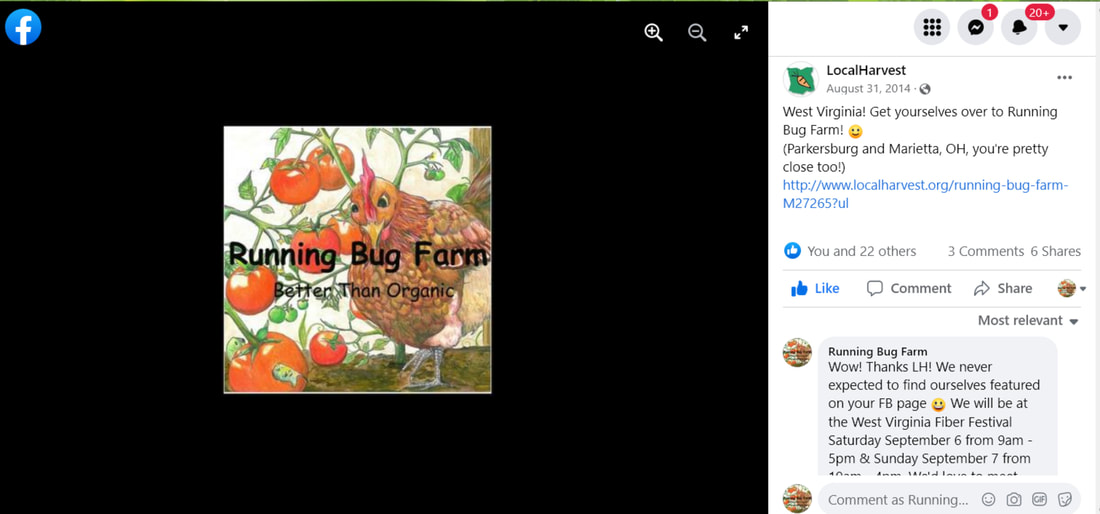
RSS Feed