|
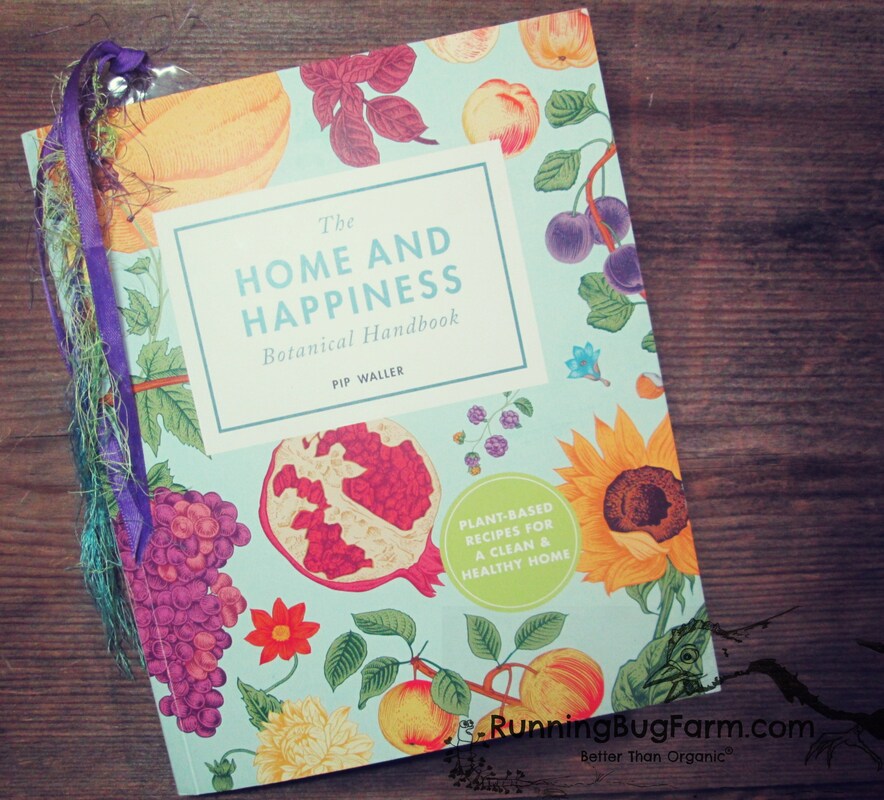
The Home And Happiness Botanical Handbook: Plant-Based Recipes For A Clean & Healthy Home by Pip Waller
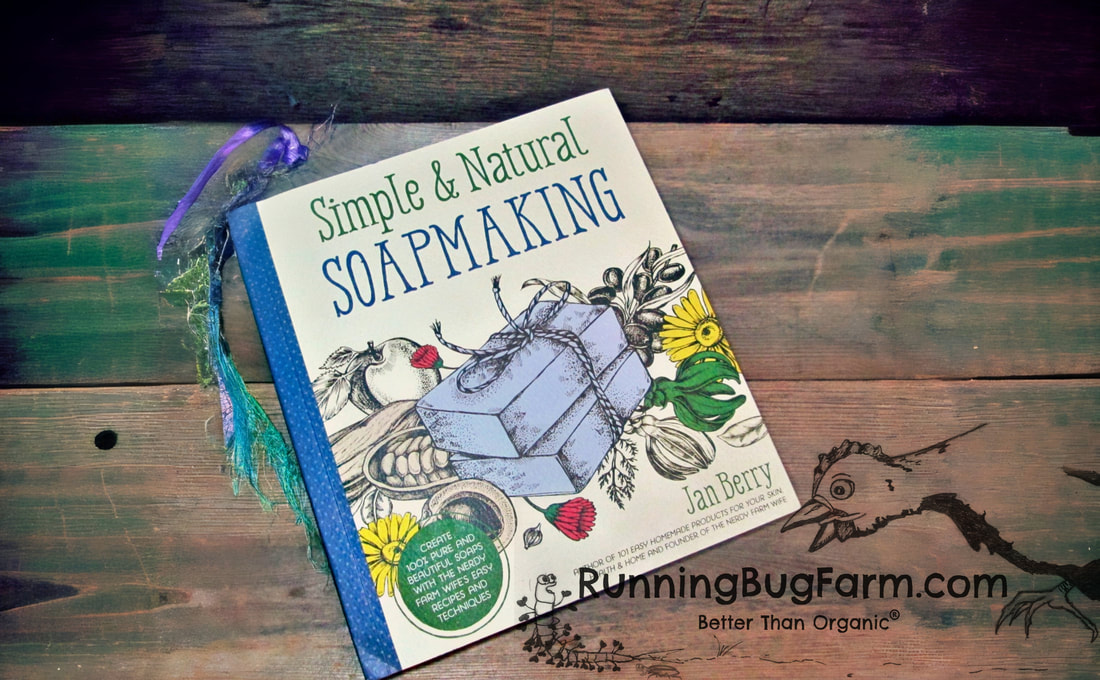
This book provides an abundance of recipes for not only cleaning your home, but also your vehicles & pets. But it doesn't end there. You will also discover how to make your own ink, paints & dyes as well as food wraps, rose petal beads, gluten free playdough. EMF remedies & more. Note: While most recipes are clean & green, some were a little surprising. For example, the author uses glitter; an environmental disaster. In chapter one the author makes the bold albeit incorrect claim that ...everything we need can be obtained from plants. I'd like to add almost to the very beginning of this statement to make it more factual. While I am all about utilizing flora & fauna, I do recognize that plants cannot provide every single thing humans need. The author rightly points out how the vast majority of folks in modern industrialized countries are far removed from nature. Folks tend to rely on polluting, toxic, man-made chemicals rather than that which can be obtained naturally. In fact, I find that the majority of folks prefer these toxic options over greener ones. As the author points out, even folks who reside in rural areas tend to fall into the same toxic trap. Thankfully, the percentage of rural folks tends to be a little lower in toxic product dependency. But you'd be surprised at just how many utilize the same health destroying products as the folks in big cities. This is not to say that everyone who resides in the city isn't doing the green thing. Many are & I applaud you for your efforts. You green city folks help educate others that you don't have to live on a farm or have a big backyard to grow your own naturally. This toxic man made dependency can partly be blamed on a lack of education as I see a greater number of folks interested in an organic lifestyle where education is highest. Should you have the option to petition your government to increase internet options in rural areas, please do. In today's age, access to high speed internet is a must for everyone. For the most part, this is a great book. However, I would be doing you a great disservice if I didn't point out the negatives. First off, this is rather complicated. In order to create many of the recipes, you are likely to need to have created other parts aka ingredients to complete a recipe. One way to look at it is cookbooks designed for living back to the land or diets that restrict certain food groups to help folks heal (aka manage) conditions like autoimmune diseases. If you are the type of person to give up on a cookbook because you must first make your own seasonings, sauces, milks, etc. rather than grab something off of a store shelf, declaring you don't have time, I've got news for you. You are probably not the person for this book. This book is work, no different really from the involved cookbook you may have tossed out. On the other hand, if you don't mind or even enjoy cooking from scratch. From scratch I mean exactly that. No canned this or boxed that. No packet of seasoning mix or jar of mayonnaise because you, my fine friend make your own seasons & mayonnaise thank you very much. No box of brownie mix for you, oh no. You get out the sugar, fat, flour, chocolate, vanilla, etc. & make real brownies. Perhaps you even grow the the plants that produce the flours &/or sugars. You are a very busy person with valuable skills. This book will add more labor to your days but you don't mind because you've got this sustainable homesteading lifestyle mastered. Okay, maybe not mastered my kombucha brewing sister, but pretty darn close. I salute you not only for your commitment, but also for your willingness to take on even more work in an effort to keep it green. As for me, I'm a full time Eco farmer. I'm exhausted most days. Not only do I grow my own, I also harvest it, put it up (can, dry, freeze, etc.) & cook my meals from scratch. I currently have very little interest in adding these recipes to my workload. Your eyes read that correctly. I'll even repeat it, I currently have very little interest in adding these recipes to my workload. Don't get me wrong, many of them seem great. But I find less is more. I prefer a mix of white vinegar, a drop of soap, a few drops of an essential oil & water makes a fabulous all purpose cleaner. Plain baking soda is great for scrubbing. A few drops of essential oil is fine if desired. That's all I use. No, really. I do make my own goat milk soap. Sorry, I know this is a Vegan book, but I'm not Vegan & frankly if you don't use milk soap you are denying your skin one of the greatest luxuries. By the way, making soap is dangerous. But it's not nearly as scary as it seems. Once you make it a few times, you'll be good to go. Cold process soap making is actually simple & incredibly easy. Really. Now that I've said the above, I am absolutely keeping this book. I do plan to make some of the recipes in my own good time. Who knows? I may even end up incorporating them into my regular Eco homesteader lifestyle. There are too many valuable recipes in this to not hold on to it. After the China Virus hit us, we all saw what happened to our supply chain. Knowing how to make our own from scratch, for example, make your own witch hazel; is critical. In some situations it will not be possible to make your own as you cannot get the supplies. But in others, it can be done. There is some equipment the author utilizes that I don't own that I am hoping to slowly acquire so that I may learn at my leisure. Leisure, LOL! Bottom line, do you want to DIY. By DIY I mean well & truly Do It Yourself. Not from a box, but from Mother Nature? Yes? Awesome-sauce! This book is totally for you my tree hugging dirt worshiper. Seem like too much work to you? Too many hours at work, too many demands from the kids & spouse? No time to even cook Hamburger Helper? DI- what you say? You might want to give this recipe book a pass or perhaps see if your local library carries it if your overworked self is still interested & would like take a look-see without the risk. You never know, you may find yourself immersed in the plant world or yawning. Only one way to find out... My House Plant Changed My Life: Green Well-Being For The Great Indoors by David Domoney
I was immediately attracted to this weird looking plant at Walmart. My husband told me they sell those same plants at Lowe's, but better. We went to Lowe's & I came home with an adorable wee little tyke in a teeny black pot (pictured). I couldn't stop smiling & carrying it to whatever window was sunny. I had no clue what kind of plant I had. All I knew was I loved it. Thanks to this book I now know it's a Tiger Aloe & the book even says that the plant will make you happy. Dead accurate. It was a photo of this very plant that was the deciding factor for me to order this book. The next plant this book convinced me to try was the Venus Fly trap. Again, a trip to Lowe's. They only had little terrarium kits that included a Pitcher Plant. I got three kits & so far they are doing very well, sprouting out of their moist mossy pots. I then came across another plant in this book that I never had a name for. I have owned it for 26 years! To keep it going where I live now (a late 1700's historic log cabin), I use several grow lights & have it near a window. This plant is a Spineless Yucca. My cats love to chew it & vomit. I have to cover it in winter with row cover, bamboo stakes & clothes pins to keep the cats off it. In summer I put it outside. You may or may not find it amusing to know that I am a full time Eco farmer who knows very little about houseplants. I spend most of my time growing food crops & cotton; all chemical free. I have very little time, plus too many cats & too little light for houseplants. Or so I thought. The beauty of this book is that it clearly lists what each plant needs. It has given me ideas on how to incorporate more plants that should work in different areas of my home. For example the Maidenhair Fern. I believe I can hang this in front of a bedroom window. The cats wont get it, it will get sun & I will enjoy it's unique fluttering foliage. The book lists which plants are toxic to pets & kids, their light needs, temperature needs, soil needs, which are best at clearing the air & what toxins they help to clear, "let's make babies", the growth rate, & even how they can make you feel with sections like "plants to calm & relax" & "plants to spark creativity." The goal of this book is to encourage folks to reconnect with the natural world even if all one does is care for a houseplant or two. It's a great idea. Look at me, I work outdoors & I'm in love with the book. The beginning of the book works hard to convince the reader as to why they should have indoor plants. I agree with these points wholeheartedly. We are in a world where all I see & read about is how folks, even children are become more & more disconnected with the natural world. This isn't healthy for any of us, at any age. With 50 plants to choose from, you are sure to find at least one to fall in love with. If you are anything like me, you'll easily find even more. The Loblolly Pine Pinus Taeda is a very rewarding tree to grow, even for beginners. It is easy to care for and fast growing. It will not only add a privacy screen and wind break along with year round greenery but it will also provide you with a sense of accomplishment. All that from just one tree. The Loblolly Pine is a well recognized and extremely aromatic American timber tree. It is one of the fastest growing pine trees, making it popular for relatively quick all natural landscaping screens. It has beautiful broad reddish brown bark that grows in plates or shingles and long pale green needles. When mature it also produces well formed pine cones. The needles can be used in plant based recipes and the pine cones make a fun and tasty treat for bunnies and other small pets who love to chew. You can also use the pine cones and green needles in the home. They make great additions to natural goods like potpourri, ornaments, and centerpieces to name a few. If you are fan of wildlife and enjoy feeding the birds, Loblolly pines provide shelter and food for a variety of birds such as chickadees, wild turkeys, nuthatches, bobwhites, and towhees. Lobololly pines also provide food for small woodland critters such as chipmunks and squirrels. If you like to make your own medicinal and cleaning products as well as enjoy the great outdoors, you'll be happy to know that pine is antibacterial and antifungal. It's antiseptic properties make it a great addition to DIY home cleaners. Pine resin can even be used for hand crafted Vegan wax food wraps in place of beeswax. Sticky pine sap is also naturally antibacterial, making it an excellent alternative to over the counter antibacterial treatments with questionable ingredients. Apply the sap directly to the wound and cover. Growing Guide: A bare root seedling is dormant and must be kept moist but not sitting in water. When you are ready to plant, remove the plastic bag or wrap if applicable. Dig a hole twice the width of the roots and deep enough that the roots just touch the bottom of the hole. Do not trim or cut the roots. Fill the hole with soil. Don't pack the soil too firmly or water won't be able to drain through it to reach the roots. Be sure to inspect the new tree frequently. While it is establishing, the soil needs to be kept consistently moist (but not soggy or muddy) and weed free. When weeds emerge, remove them. The younger or smaller the weeds are the easier they will be to remove. Zone: 6-9 Sun: Full Hardiness: -10 °F to 30 °F Water: Moderate to extremely moist soil Soil: Neutral to Acidic (loamy, clay, well drained, drought tolerant, moist, sandy) Spacing: 25 ft to 30 ft Height: 50 ft to 100 ft Scientific Name: Pinus Taeda Also Known As: Rosemary Pine, Bull Pine, Longstraw Pine, Old Field Pine, Indian pine Once your sapling is established, it will require very little maintenance unless your soil is alkaline. Test your soil and amend if needed. For my property, the soil is not acidic enough. I add an organic soil acidifier such as OMRI approved Holy Tone twice a year, following the directions on the bag. Note: Holy Tone is usually cheaper at at home improvement store like Lowe's. Keep in mind that when you apply your tree amendment, it is distributed at the trees drip line not around the base of the trunk. The Beginner's Guide To Chicken Breeds: An Introductory Guide To Choosing The Right Flock by Amber Bradshaw
I've been raising chickens for well over a decade. Even with plenty of experience gained, I always enjoy reading new books when they come out. Same thing for gardening and many other farming and animal subjects. When this arrived and I started to flip through it the first huge mistake became instantly, glaringly obvious, no photos of the various chicken breeds. I showed it to my husband and he just shook his head and said something along the lines that the book was pretty pointless to a beginner with no photos. For the most part I agree. I enjoyed a leisurely read of this book while sipping a nice cuppa on my downtime aka mini breaks from working. One surprise while reading was that the bantam (aka banty) breed known as the Sebright was listed as threatened by the Livestock Breeds Conservancy. "Wait what!? It is! No way! I need to raise me some of these cuties." I thought (edit 4/17/24: In 2023 I started raising both the silver & gold Sebrights, their status was listed at critical when I ordered them). I took a peek in my Cackle Hatchery and my Murray McMurray Hatchery catalogs only to find that neither of them mention the Seabright as endangered. "Okay then, I'll just go to the Livestock Breeds Conservancy website (see resources)." I think and do. Nope, not there. The Sebright is not even on the recovering list so the odds that this birds status changed after the printing of this book seems unlikely. My suggestion is to check the status of a bird if endangered chicken breeds are important to you when considering what breeds you would like to raise. Another mistake or misprint I came across again regards the bantam breed of chicken. In this case, Silkies. I currently have my own little flock of Silkies. They are fantastic little birds. Anyway, they don't list all the standard of perfection colors. For example, there is no mention of buff or what I think of as "red". Silkie Standard of Perfection Colors: Black, Blue, Standard Buff, Gray, Partridge, Splash, White. I also noticed that breed aggression or non aggression wasn't always listed properly. This isn't as big of a sore spot for me though, because as the author points out, there can be exceptions to the rule. In my nearly 20 years experience, I've never had a particuarly aggressive banty rooster. I'm sure they are out there, but I have found each and every one of them to be either little sweethearts or posturing (non attacking) little idiots chasing around after me. Regular aka standard non banty roosters? Forget it. I've learned that they almost all become aggressive. Every single breed of full sized rooster, with the exception of only one, has attacked me at some point. Some are much more aggressive than others. The only breed I've raised that has never shown aggression is the Lemon Cuckoo Niederrheiner. I love these roosters! They are gentle giants. It may seem funny that a little feathered tough guy is attacking a big ol' human, but for something so small, they can actually be very dangerous when they have their spurs. They can do real harm. I'm short. When I get attacked (they love to attack when your back is turned) they jump & flog my hips/bottom. I do not enjoy having my body punctured and cut up. Nor do I enjoy having my clothing torn by a rooster who is just plain mean. They can also be a serious threat to small children. However, I know some folks who swear by their roosters sweet temperament. Here are the problems for beginners and even those, like me who simply enjoy everything chicken. Not only do you not get your "chicken porn" or to put it more nicely, "chicken eye candy" you also don't know if the information printed in this book is correct. This really stinks because for the most part, it is a lovely little book. I really enjoy the style of artwork and the effort the author put into describing various breeds temperaments, egg laying capabilities, show potential, meat potential, status, and more for various situations. For example, are you in a neighborhood where you don't have a lot of space and don't want your birds to bother the neighbors? Do you eat very little to no eggs? You might want to get Silkies. Do you want meat to feed your family? The author lists what she feels are the best meat birds. Here are the chapters:
If you are into chickens, this is an enjoyable read. When you find breeds that may be of interest to you, visit some hatchery websites (&/or request their catalogs) who provide great real photos (not drawings) of their birds as well as the basic information on the bird/s you are interested in. If you are interested in raising threatened breeds, visit the Livestock Breeds Conservancy and see what's there. Thanks to this book I learned about the Icelandic chicken. I went to the Livestock Breeds Conservancy website to learn more. I discovered they are very hard to get in the United States. The Livestock Breeds Conservancy website was kind enough to provide a link to a well trusted and dedicated page on facebook for this breed. I clicked the link and joined. As long as you don't blindly trust this book to be the holy grail of chicken truths and do your research before you buy your birds, it is worth the read. And who knows, you may even decide you'd like to buy a copy. After all what's wrong with adding one more book about chickens to your bookshelf? 📚 🐔 |
Affiliate DisclosureThis page may contain affiliate links. If you choose to make a purchase after clicking an affiliated link, I may receive a commission at no additional cost to you.
As always, thank you so much for your support. I couldn't do what I do without you! Categories
All
Archives
February 2025
Hi there! My name is Jen. I'm a "tree hugging dirt worshiper" who has been organically farming for nearly two decades. It never ceases to amaze me at how much I've learned & how much I am still learning. I have studied natural health, nutrition, & herbs for nearly three decades. Our health & the natural world around us are connected in ways we don't often realize. How we treat the land & animals directly affects us in both body & mind. My goal is to provide others with truly natural humane goods from my own little piece of paradise, & to freely pass along whatever knowledge I pick up along the way. I am grateful every day to be able to have such a worthwhile & fulfilling job surrounded by the beauty & unpredictability of Mother Nature.
Copyright
You're welcome to link to Running Bug Farm or use a single image with a brief description to link back to any post. Republishing posts in their entirety is prohibited. |
RSS Feed