|
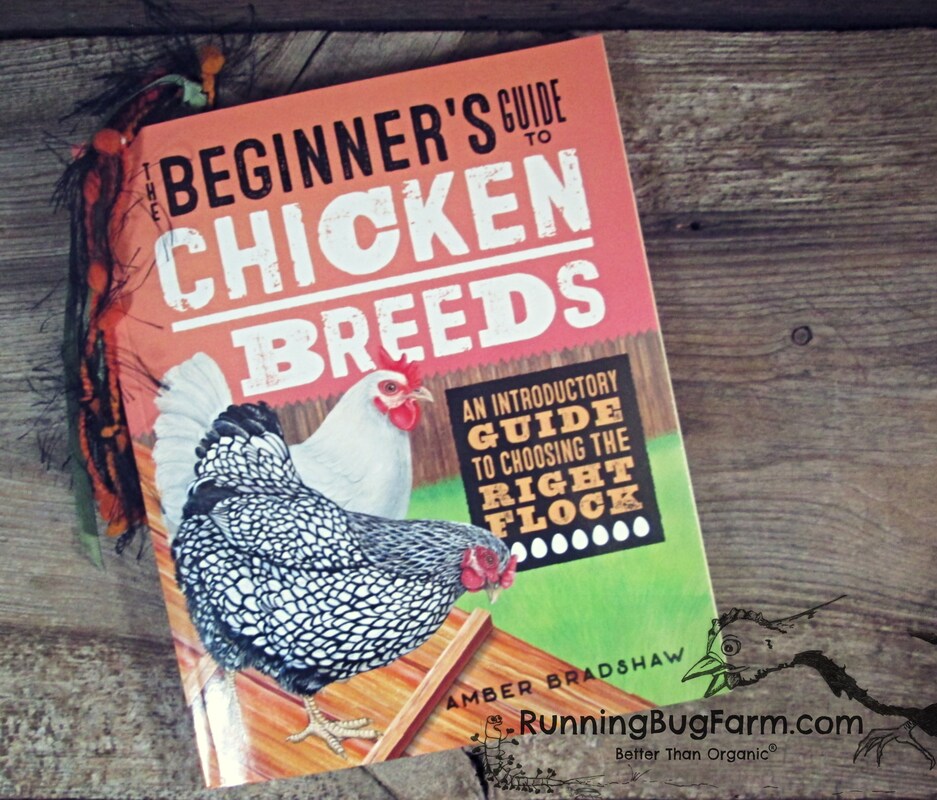
The Beginner's Guide To Chicken Breeds: An Introductory Guide To Choosing The Right Flock by Amber Bradshaw
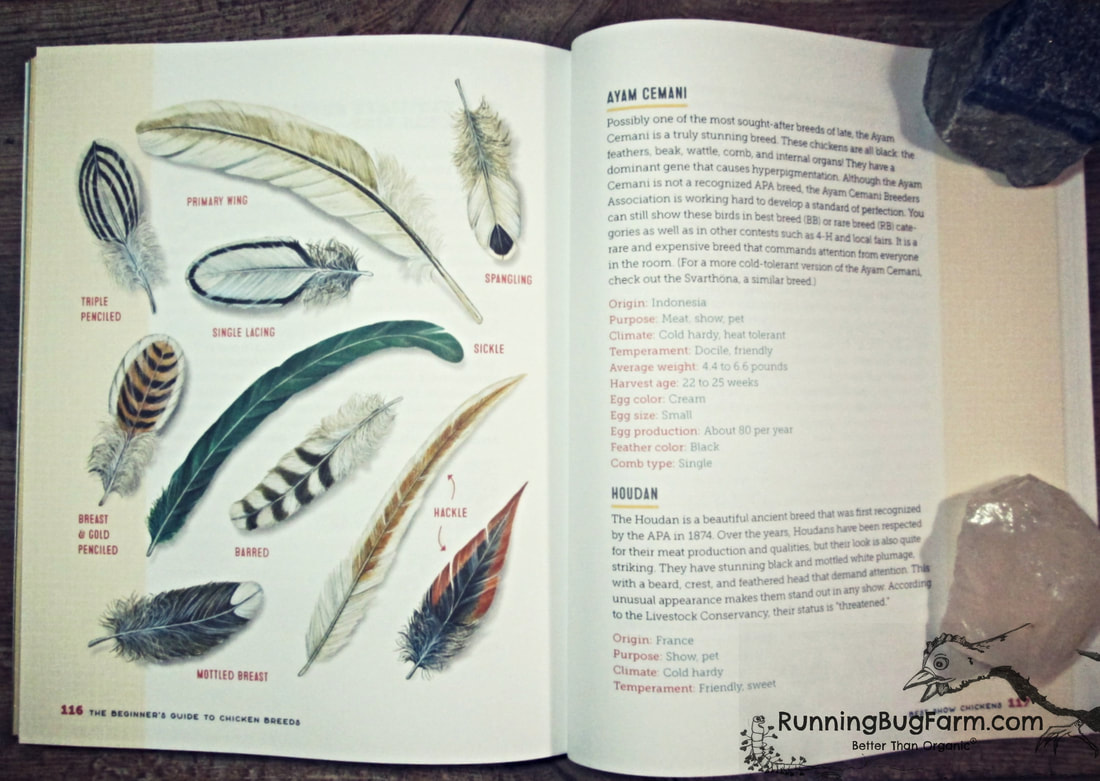
I've been raising chickens for well over a decade. Even with plenty of experience gained, I always enjoy reading new books when they come out. Same thing for gardening and many other farming and animal subjects. When this arrived and I started to flip through it the first huge mistake became instantly, glaringly obvious, no photos of the various chicken breeds. I showed it to my husband and he just shook his head and said something along the lines that the book was pretty pointless to a beginner with no photos. For the most part I agree. I enjoyed a leisurely read of this book while sipping a nice cuppa on my downtime aka mini breaks from working. One surprise while reading was that the bantam (aka banty) breed known as the Sebright was listed as threatened by the Livestock Breeds Conservancy. "Wait what!? It is! No way! I need to raise me some of these cuties." I thought (edit 4/17/24: In 2023 I started raising both the silver & gold Sebrights, their status was listed at critical when I ordered them). I took a peek in my Cackle Hatchery and my Murray McMurray Hatchery catalogs only to find that neither of them mention the Seabright as endangered. "Okay then, I'll just go to the Livestock Breeds Conservancy website (see resources)." I think and do. Nope, not there. The Sebright is not even on the recovering list so the odds that this birds status changed after the printing of this book seems unlikely. My suggestion is to check the status of a bird if endangered chicken breeds are important to you when considering what breeds you would like to raise. Another mistake or misprint I came across again regards the bantam breed of chicken. In this case, Silkies. I currently have my own little flock of Silkies. They are fantastic little birds. Anyway, they don't list all the standard of perfection colors. For example, there is no mention of buff or what I think of as "red". Silkie Standard of Perfection Colors: Black, Blue, Standard Buff, Gray, Partridge, Splash, White. I also noticed that breed aggression or non aggression wasn't always listed properly. This isn't as big of a sore spot for me though, because as the author points out, there can be exceptions to the rule. In my nearly 20 years experience, I've never had a particuarly aggressive banty rooster. I'm sure they are out there, but I have found each and every one of them to be either little sweethearts or posturing (non attacking) little idiots chasing around after me. Regular aka standard non banty roosters? Forget it. I've learned that they almost all become aggressive. Every single breed of full sized rooster, with the exception of only one, has attacked me at some point. Some are much more aggressive than others. The only breed I've raised that has never shown aggression is the Lemon Cuckoo Niederrheiner. I love these roosters! They are gentle giants. It may seem funny that a little feathered tough guy is attacking a big ol' human, but for something so small, they can actually be very dangerous when they have their spurs. They can do real harm. I'm short. When I get attacked (they love to attack when your back is turned) they jump & flog my hips/bottom. I do not enjoy having my body punctured and cut up. Nor do I enjoy having my clothing torn by a rooster who is just plain mean. They can also be a serious threat to small children. However, I know some folks who swear by their roosters sweet temperament. Here are the problems for beginners and even those, like me who simply enjoy everything chicken. Not only do you not get your "chicken porn" or to put it more nicely, "chicken eye candy" you also don't know if the information printed in this book is correct. This really stinks because for the most part, it is a lovely little book. I really enjoy the style of artwork and the effort the author put into describing various breeds temperaments, egg laying capabilities, show potential, meat potential, status, and more for various situations. For example, are you in a neighborhood where you don't have a lot of space and don't want your birds to bother the neighbors? Do you eat very little to no eggs? You might want to get Silkies. Do you want meat to feed your family? The author lists what she feels are the best meat birds. Here are the chapters:
If you are into chickens, this is an enjoyable read. When you find breeds that may be of interest to you, visit some hatchery websites (&/or request their catalogs) who provide great real photos (not drawings) of their birds as well as the basic information on the bird/s you are interested in. If you are interested in raising threatened breeds, visit the Livestock Breeds Conservancy and see what's there. Thanks to this book I learned about the Icelandic chicken. I went to the Livestock Breeds Conservancy website to learn more. I discovered they are very hard to get in the United States. The Livestock Breeds Conservancy website was kind enough to provide a link to a well trusted and dedicated page on facebook for this breed. I clicked the link and joined. As long as you don't blindly trust this book to be the holy grail of chicken truths and do your research before you buy your birds, it is worth the read. And who knows, you may even decide you'd like to buy a copy. After all what's wrong with adding one more book about chickens to your bookshelf? 📚 🐔 Comments are closed.
|
Affiliate DisclosureThis page may contain affiliate links. If you choose to make a purchase after clicking an affiliated link, I may receive a commission at no additional cost to you.
As always, thank you so much for your support. I couldn't do what I do without you! Categories
All
Archives
February 2025
Hi there! My name is Jen. I'm a "tree hugging dirt worshiper" who has been organically farming for nearly two decades. It never ceases to amaze me at how much I've learned & how much I am still learning. I have studied natural health, nutrition, & herbs for nearly three decades. Our health & the natural world around us are connected in ways we don't often realize. How we treat the land & animals directly affects us in both body & mind. My goal is to provide others with truly natural humane goods from my own little piece of paradise, & to freely pass along whatever knowledge I pick up along the way. I am grateful every day to be able to have such a worthwhile & fulfilling job surrounded by the beauty & unpredictability of Mother Nature.
Copyright
You're welcome to link to Running Bug Farm or use a single image with a brief description to link back to any post. Republishing posts in their entirety is prohibited. |
RSS Feed