|
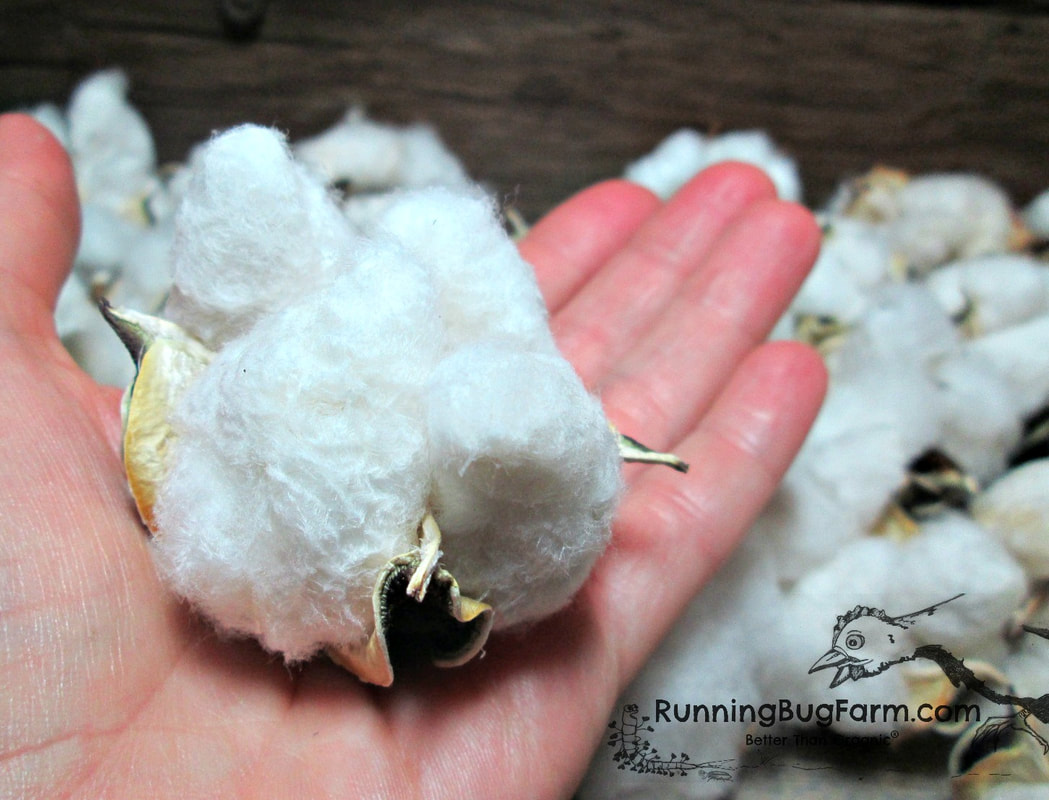
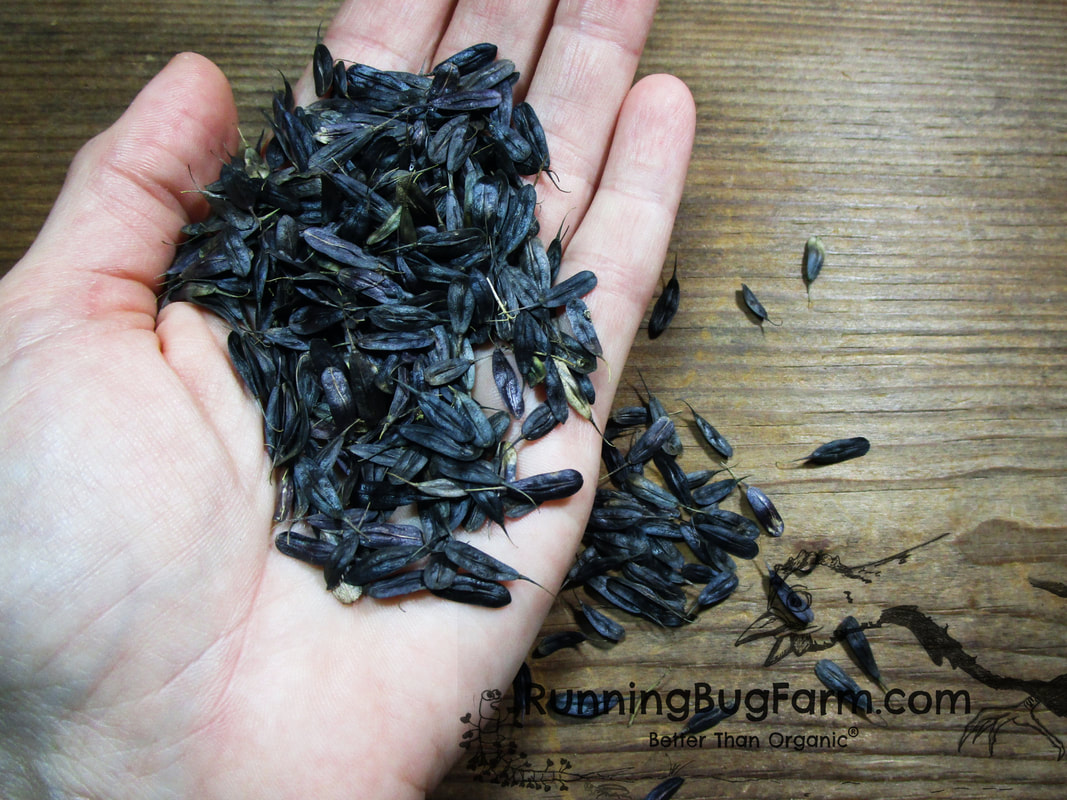
Madder, Rubia tinctorium, also known as common madder, dyer's madder, and rose madder is a historical natural dye plant. It's importance as a dye plant throughout history cannot be over stated. The attractive pointed leaves and long stems of Madder plants tend to lightly cling when you brush over them. They have very strong growing roots that spread. The tops of the plants will also sprawl in sticky low lying vines. Around mid summer lots of tiny yellowish star shaped flowers bloom. These form green berries, which develop into dark purple-black seeds. In order to encourage lots of roots, these long vine-like stems should be gently pulled down to the ground as needed and covered with soil. You can also increase your crop by propagating from stem clippings rooted in water. After three years of growth, your madder roots should be thick enough to use for dyeing. They can be used fresh or dried for later use. Dig up part of your madder patch in the fall, cut off the spent top growth, (this can be used for pale pink shades), and wash the roots. To use as a dye, crush or break up the roosts as much as possible. To make a dye bath, soak in water and heat. Madder can also be used as a light fast dye without the need for an aluminum mordant. You can use a tannin with your madder root instead. Madder can be used to dye silk, cotton, rayon, hemp, wool and any other natural fiber. If you wish to continue growing madder, be sure to re-seed the area you harvested for roots in the spring. Starting three dedicated patches, harvesting one patch after three years, then re-seeding, insures you three year growth to harvest each year. Growing Guide Although growing madder does require patience, it really is worth the wait. The colors (pink, orange, red, purple, all from the same root depending on mordant used) from a madder root dye bath are very rich and beautiful. Soak seeds in tepid water for 1-24 hours prior to planting to improve the germination rate.
Seed Savers: Allow plants to bloom and set seed. Harvest when hard and black. Old stagnant growth should be clipped back annually following setting of seed Madder is a hardy herbaceous perennial plant in the coffee family. It can be considered an invasive plant depending on your growing goals and conditions. Caution: Madder is extremely dangerous if consumed. If you, a family member, or a pet has ingested any amount of plant material contact Poison Control, or your veterinarian immediately. Yes, I grow madder and have farm animals and cats. But please be advised, madder is not recommended for homes with children, cats, or dogs. Transform your garden with the striking, pest-repelling beauty of marigolds! Marigolds add vibrant color to the garden without the fuss. They require minimal maintenance and offer a wealth of benefits. They do double duty by helping to repel garden pests and attracting pollinators. Their colorful blooms make a striking visual impact while improving the overall health of your garden. Whether you're growing them in containers, planting them in boarders, or as companion plants for vegetables in your garden, marigolds tend to thrive while also bringing beauty all season long. Growing Guide Botanical Name: Tagetes patula Planting Season: Spring Plant Type: Fern-like stems with large, bright orange-red & yellow flowers Start indoors: 6 to 8 weeks before last frost date & transplant after the last spring frost Sow outside: after danger of frost has passed in your region Soil Temperature: 70º-75º F USDA Zones: 3-10 Size: up to 20" Hardiness: Annual Sun: Full Water: Moderate Seed Spacing: 1" Seed Planting Depth: 1/8" Row Spacing: 10" - 18" Days to Germination: 5-10 Days to Maturity: 70-100 Blooms: Summer - Fall, until first killing frost Features Open Pollinated, Attracts Beneficial Pollinators (like bees & butterflies), Attracts Hummingbirds, Fragrant, Deer Resistant, Drought Tolerant, Cut Flower Garden, Easy to Grow & Maintain, Container Garden, Window Boxes, Borders, Edging Natural Pest Repellent: Marigolds are known for their ability to repel harmful garden pests such as aphids, nematodes, & whiteflies. Plant them near vegetables or companion plants to naturally help protect your crops. Soil: Marigolds are adaptable to a variety of soil conditions but prefer well-draining, moderately fertile soil. They can tolerate poor soil conditions, making them easy to grow in a wide range of environments. Watering: Water regularly, especially during hot and dry periods. While they are somewhat drought-tolerant, marigolds will produce more abundant blooms with consistent moisture. Temperature: Marigolds are warm-season plants that thrive in temperatures ranging from 65°F to 85°F. They are sensitive to frost, so be sure to plant after the last frost date in your region. Fertilization: These plants don’t require heavy feeding. If you have it, or can get it, organic compost added each year is your best option. Otherwise, a light application of balanced OMRI fertilizer at the time of planting is sufficient for healthy growth. Care and Maintenance Deadheading: If you wish to save the flowers for natural dye, remove the blooms while fresh & vibrant. Otherwise, regularly remove spent blooms to encourage continued flowering and to maintain a tidy appearance. Regular removal of blossoms (fresh or spent) will prolong the blooming season and ensure a vibrant display. Pest & Disease Resistance: Marigolds are known for their strong resistance to pests & diseases. Their natural insect-repelling properties make them a great choice for organic gardening & companion planting. Self Seeding: Marigolds can reseed themselves for future growing seasons. If you don't want them to self-sow, simply remove any spent flowers before they go to seed. Seed Saving: Allow flowers to wither & die on the plant. Remove from the plants when spent blooms are dry & brown. If you wish to enjoy an abundance of blooms during the growing season, you may want to wait until around the last month before your average first frost to allow seed heads to form. Companion Planting and Uses Vegetable Gardens: The pest-repelling properties of marigolds make them excellent companions for vegetable gardens. Plant them near tomatoes, cucumbers, &/or peppers to help keep unwanted pests at bay while enhancing your garden’s visual appeal. Pollinator Gardens: Marigolds are a favorite among bees & butterflies. Add them to your pollinator garden to attract beneficial insects that will help pollinate your plants. Containers & Borders: Marigolds can be grown in containers & window boxes, or as low border plants along garden edges or walkways. Edging Plants: Use them as edging plants to create colorful borders around flower beds, patios, or walkways, adding a neat, tidy, & eye-catching look to your landscape. For the love of woad. I am a indigo addict. Unfortunately true indigo doesn't grow in my area. That's not to say it can't be grown, or that I haven't grown it, rather that it will die come winter. Sometimes I just want my plants to last and thrive. I have enough that must be replanted each year. Woad, a biennial, is my Eco Farm Gal plant of choice as a result. My love for woad doesn't end there. It's flowers also attract butterflies and birds. Historically, it was used during the Viking era as a blue dye. With so little known about the Vikings, I love knowing I'm utilizing such an ancient and prized plant. Besides, who doesn't want to ditch the synthetic dyes, many of which are cancer causing and embrace what Mother Nature has provided? A Note Of Caution:
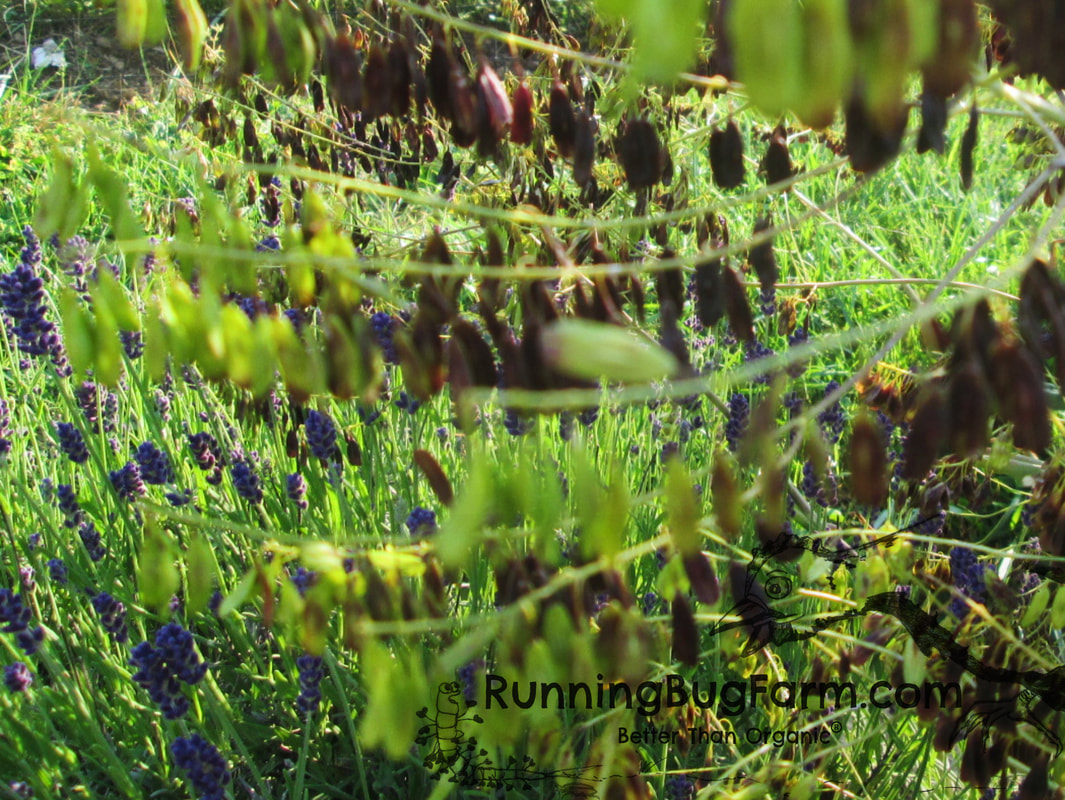
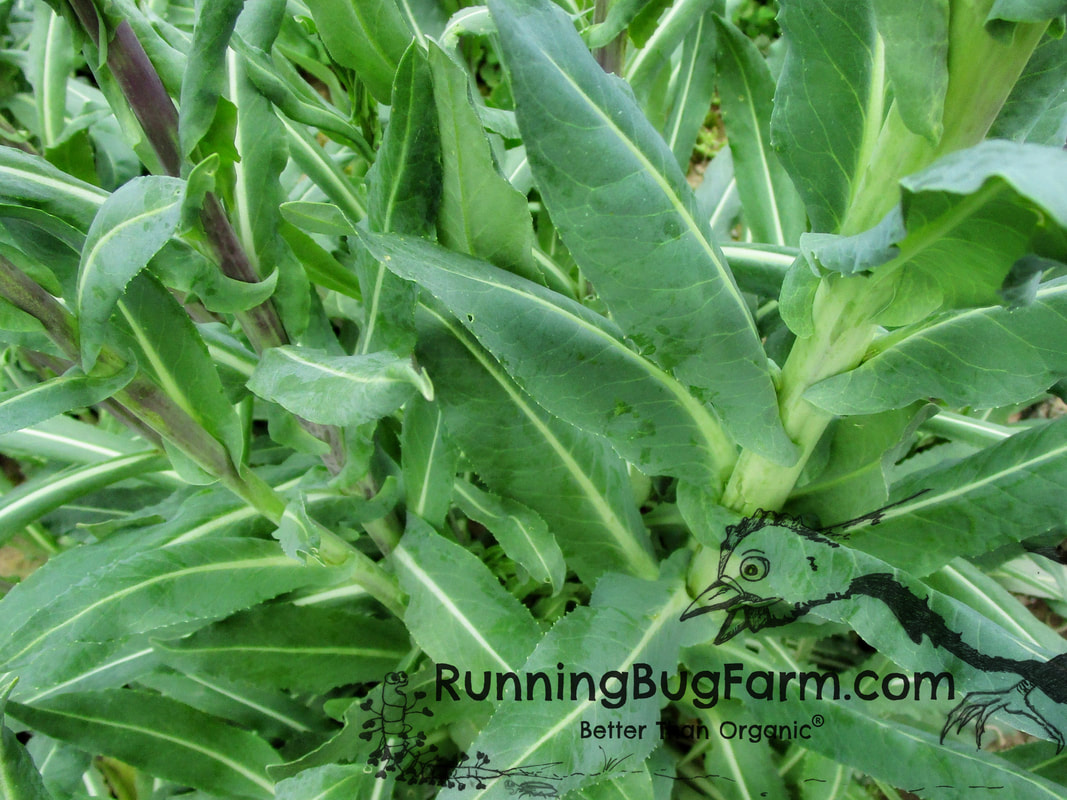
The leaves of the woad plant are what produce the traditional blue dye that woad is and was cultivated for. This process involves collecting the leaves, drying them, and then infusing them with an alkali to produce the deep blue dye woad is known for. In the early summer, dyers woad produces large clusters of cheerful golden yellow flowers. These blooms then transition into flattened, dark, seed heads with a lantern-like appearance. Dyer’s woad can grow to 4 feet tall and 18 inches wide within its first year. In the second year, it flowers, seeds, and then dies back. In my growing area (zone 6), it often regrows from the long tap root. You can zero in on your USDA Plant Hardiness Zone here. It also self sows. Because it self sows readily, I thin when the plants are still small, but not too small, with nice leaves that I can dry. The smaller plants are much easier to pull from the ground, ensuring I also remove the long tap root. I brush off any dirt and hang the small plants by their tap roots to dry. You can also use the dye leaves fresh. Add the fresh leaves to water along with some salt and massage. Notes:
To ensure a steady supply of leaves throughout the summer and fall, plant at least two beds about two weeks apart per bed. Despite it's deep taproot, woad will wilt in extreme summer heat if the soil is not kept moist. It is drought-tolerant once established. Crop rotation is generally recommend for each year. Being an invasive plant, I have had success leaving it to grow in it's original location as long as I maintain the correct soils. I also grow my woad with lavender and madder. When/If any problems pop up for me, I will update this article to assist my fellow growers. If you don't want your plants to reseed, cut off the yellow flower heads before they can form seed heads. If you are behind schedule, (and who isn't during the dog days of summer) don't despair. As the little lantern shaped pods start to dangle, they will be green. You can still cut them off if you do it early enough. You want to catch them before the seed heads start to darken for the greatest chance of success. Growing Guide Dyer's Woad is a biennial plant in the Brassicaceae also known as the Cruciferae, mustard family. Its life cycle takes two years. Its leaf phase of growth is during the first year. The leaves are the part of the plant that produces blue. During woad's first summer and fall, you can harvest from the same plants several times. Soak seeds in tepid water for 24 hours prior to planting. Botanical Name: Isatis tinctoria Start indoors: 4-6 weeks before the last frost. Transplant starts 12” apart in moist, well drained soil. Sow outside (direct sow): In the spring as early as 2-4 weeks before the last frost or anytime during the growing season. Soil Temperature For Germination: 65-70°F Size: 12" - 48" Zone: 4-8 Sun: Full Water: Moist, Well Drained Soil: Neutral to Slightly Alkaline Seed Planting Depth: 1/8" Seed Spacing: 2" - 3" Days to Germination: 7-10 Thinning: 18" Seed Savers: Over-winter the plants. Allow them to bloom and set seed in their second year. Insect Control: Floating row cover, barrier netting, or remove by hand as needed. I find that floating row cover is much more durable and lasts longer. The downside is that it's not easy to see through and harder to water through although it is permeable. Barrier netting is easy peasy to see through and water through. The downside is that it is easy to damage and not as long lasting. The Loblolly Pine Pinus Taeda is a very rewarding tree to grow, even for beginners. It is easy to care for and fast growing. It will not only add a privacy screen and wind break along with year round greenery but it will also provide you with a sense of accomplishment. All that from just one tree. The Loblolly Pine is a well recognized and extremely aromatic American timber tree. It is one of the fastest growing pine trees, making it popular for relatively quick all natural landscaping screens. It has beautiful broad reddish brown bark that grows in plates or shingles and long pale green needles. When mature it also produces well formed pine cones. The needles can be used in plant based recipes and the pine cones make a fun and tasty treat for bunnies and other small pets who love to chew. You can also use the pine cones and green needles in the home. They make great additions to natural goods like potpourri, ornaments, and centerpieces to name a few. If you are fan of wildlife and enjoy feeding the birds, Loblolly pines provide shelter and food for a variety of birds such as chickadees, wild turkeys, nuthatches, bobwhites, and towhees. Lobololly pines also provide food for small woodland critters such as chipmunks and squirrels. If you like to make your own medicinal and cleaning products as well as enjoy the great outdoors, you'll be happy to know that pine is antibacterial and antifungal. It's antiseptic properties make it a great addition to DIY home cleaners. Pine resin can even be used for hand crafted Vegan wax food wraps in place of beeswax. Sticky pine sap is also naturally antibacterial, making it an excellent alternative to over the counter antibacterial treatments with questionable ingredients. Apply the sap directly to the wound and cover. Growing Guide: A bare root seedling is dormant and must be kept moist but not sitting in water. When you are ready to plant, remove the plastic bag or wrap if applicable. Dig a hole twice the width of the roots and deep enough that the roots just touch the bottom of the hole. Do not trim or cut the roots. Fill the hole with soil. Don't pack the soil too firmly or water won't be able to drain through it to reach the roots. Be sure to inspect the new tree frequently. While it is establishing, the soil needs to be kept consistently moist (but not soggy or muddy) and weed free. When weeds emerge, remove them. The younger or smaller the weeds are the easier they will be to remove. Zone: 6-9 Sun: Full Hardiness: -10 °F to 30 °F Water: Moderate to extremely moist soil Soil: Neutral to Acidic (loamy, clay, well drained, drought tolerant, moist, sandy) Spacing: 25 ft to 30 ft Height: 50 ft to 100 ft Scientific Name: Pinus Taeda Also Known As: Rosemary Pine, Bull Pine, Longstraw Pine, Old Field Pine, Indian pine Once your sapling is established, it will require very little maintenance unless your soil is alkaline. Test your soil and amend if needed. For my property, the soil is not acidic enough. I add an organic soil acidifier such as OMRI approved Holy Tone twice a year, following the directions on the bag. Note: Holy Tone is usually cheaper at at home improvement store like Lowe's. Keep in mind that when you apply your tree amendment, it is distributed at the trees drip line not around the base of the trunk. Arugula (Eruca vesicaria) is a vitamin-rich, leafy green that produces large yields in the correct growing environment. It is excellent for salads & for cooking. It is full of antioxidant, anti-inflammatory, & anti-cancer nutrients. You can eat it raw, saute it, steam it, add it to soups & salads, use it in place of lettuce in sandwiches for a little kick, add it to potatoes & casseroles. Bitter greens past their prime can be enjoyed gently steamed alone or with other greens such as mustard or turnip greens, or used as a creamed side &/or in creamed soups. Arugula is a cool weather crop. It is great for spring & fall harvests. Arugula can overwinter in many parts of the country under cold frames or heavyweight row covers. It can withstand some heat but is prone to bolting. I don't recommend growing it in the summer. With that said, If your growing environment tends to be warm, plant your arugula in the shade of taller crops to protect it from the suns heat. It is likely to bolt quickly in a warm environment, so enjoy it while you can! Sow outside (spring): Sow seeds in the spring as soon as the soil can be worked, with successive sowings 3-4 weeks apart. Sow outside (fall): In the late summer for a fall crop. Start indoors (spring): 4-5 weeks before last frost Soil pH: 6.0-7.0 Days to emerge: 7-10 Soil depth (when using pots): 4" Seed depth: 1/4" Seed spacing: 1" Row spacing: 18"-24" Thinning: 4-6" Days to maturity: 20-50 USDA Zone: 3-11 Seed Savers: Allow the plants to bolt (flower & set seed pods). Long green seed pods will form. As the plant matures, the pods will turn brown. If you don't want to save the seeds, you can let nature do her thing. The seeds will eventually self sow. Your main work will be removing weeds. To save the seed for future use, I cut the long stalks that contain the pods, then massage the pods over a large container. When done, shake the seeds a little to get a good amount of the chaff to rise to the surface. Allow a gentle breeze or blow gently on the chaff to remove it. When I do this, I do loose some seeds, so please keep this in mind. Slow & gentle is the key. You don't want to blow away all your hard work! Butterfly weed plants are easy to grow by seed, but may not produce blooms for two or three years. Once established, butterfly weed is drought tolerant and blooms dependably from year to year. Also, keep in mind that butterfly weed has long, sturdy roots that make transplantation very difficult, so locate the plant in its permanent place in the garden. Growing Guide Butterfly Weed is a herbaceous, perennial milkweed plant in the Asclepiadaceae family that attracts butterflies to the garden with its clusters of bright orange yellow blooms that are rich with nectar & pollen. Botanical Name: Asclepias tuberosa Start indoors (for Spring planting):
*Your container will depend on how many plants you wish to grow, space, &/or supplies on hand. For example, you can repurpose a small, cleaned yogurt container with a lid. Or you can utilize a seed starting flat with a lid. Sow outside (direct sow in the Fall) preferred method: Soil Temperature For Germination: 71°F Size: 12" - 36" Zone: 3-9 Sun: Full Water: Dry to Medium* Soil: Slightly acidic or Neutral (6.0-7.0); Well draining Seed Planting Depth: 1/8-1/4" Seed Spacing: 6-12" Days to Germination: 21-30 Thinning: 1-2' *For the first year after planting, in addition to environmental moisture & rainfall, plan to give your butterfly weed plants approximately 1" of supplemental water weekly. Once established, butterfly weed plants are drought tolerant & may only need monthly watering in very dry climates. Seed Savers: Butterfly weed plants may not produce blooms for two or three years. Once established, they bloom dependably from year to year. Let the plants develop seed pods. Harvest the pods just as they start to open, or cover the pods with fine netting to prevent the seeds from floating away once the pods fully open. Insect Control: Do not use pesticides, even the organic approved (OMRI) types. The plant hosts many butterflies, including monarchs, so expect the leaves to be eaten. For insects such as aphids, use your fingers to squish them dead. Wear gloves to avoid staining your fingers. Be gentle with tender buds on the plants & look out for monarch eggs. Spraying water at the aphids really doesn't help. Diligent squishing & killing of the aphids seems to be the most efficient method & is entirely non toxic. Fertilizer: Do not fertilize! Fertilizer can harm the plants or make them leggy. Let the sun be their fertilizer. Rich in American history, Nankeen has been grown since the Civil War. Nankeen is a naturally brown cotton with short fibers. The lint doesn't fade like some colored cottons. Plants should produce a dark copper colored lint that can become brighter after washing. Nankeen Branches tend to be longer & thinner, with leaves that are more lobed than other cottons. It is reported to grow well in poor dry soil. In my experience, I don't feel this holds true. I had a early summer drought & while it did survive, growth was stunted until the rains returned. Once rainfall levels returned to normal, the plants finally started to put on thicker folliage, height, & flowers. Nankeen is also reported to be hardier & with slightly better insect resistance than other cottons. I noticed no difference regarding aphids on my Nankeen plants verses any of the other heirloom cottons that I have grown. In my experience, they all get aphids & they all survive with them as long as they are not overrun when they are still small. I do not have problems with any other pests in my area (I am not in the cotton belt). To deal with aphids & the ants who milk them when the plants are young, I use diluted neem seed oil. Note that if you put undiluted neem seed oil on your plants, they will likely cook in the sun just like food in a hot pan of oil. The plants may survive such harsh treatment depending on how big & healthy they were before you applied it. Nankeen likes to drop it's branches as they gain weight with bolls which are high in water. What I mean by drop it's branches is the branches tend to peel off at the trunk. Some hang on by a thread & will survive, others do not. I often prune these branches because it makes maintaining the grass that grows between my rows difficult to maintain if I don't. If you don't need to maintain the space between your rows, you may wish to let them lie. Keep in mind that when folliage touches the ground, it encourages bacteria, so be sure to keep an eye on your plants health. In order to deal with Nankeen's fragile limbs, I stake my plants with small metal fencing stakes (3-5' usually work well) rather than traditional garden stakes. I can get pretty high winds in my area. The fence stakes keep the plants from being being badly damaged during severe summer weather. After dealing with an early summer drought, I later had a early frost. The drought dramatically slowed the growth of my Nankeen plants and the early frost caused further problems as it was too early to harvest. The plants needed several more weeks of growth that the frost was trying to prevent. I did manage to harvest the bolls, but yields were very low & I personally am not a fan of the very short fibers that have resulted. I often say, each year after growing a particular cotton that I am unlikely to grow it again. I sometimes think it's just due to farm girl exhaustion. By this time of year, the days are getting much shorter, temps are dropping & I'm still bringing in the harvest after six months of straight back breaking labor. With all that said, I don't think I will grow this cotton again. Sea Island Brown has been one of my favorite brown cottons to grow. For green, I am partial to Arkansas. If you are curious about growing Nankeen don't let my lackluster harvest results sway you. We all have different micro climates. You may find that Nankeen is one of your favorites! During the Civil War Battle of Sabine Crossroads (Mansfield, LA), Confederates told the story of the Nankeen shirt. The story was first printed in the ‘Mansfield Enterprise’ & later in the monthly 'Confederate Veteran,' VOL XXXIII – May 1925 "The plan of General Banks was to assemble his army at Grand Ecore and either cross to the north side of the river to join General Steele & march their united armies against Shreveport, or to march through the forest via Mansfield which was much the nearer. It was important that General Dick Taylor should know which route the Federals would take, hence the story of the 'Nankeen Shirt.' According to the story, an officer on General Taylor's staff visited Natchitoches & Grand Ecore just before the arrival of the Federal army & laid a number of plans to get this information at the earliest moment. He finally approached an old doctor, who too old for service was practicing his profession in that vicinity. The doctor was more than anxious to do all he could to help the cause & thought it would probably be easy to see what route the Yankees took when they marched away from Grand Ecore, but it would be a different matter to get a message to General Taylor's headquarters at Mansfield. However, he mentioned that there was a fifteen-year-old boy at his home going to school whose father was in the army. Before he left for the war he had moved his slaves from the lower part of the State to a place in Sabine Parish only sixteen miles from Mansfield. The Negroes were being looked after by a Captain John P. Youngblood, a maimed Confederate soldier who was a true patriot. The doctor was unwilling for the boy to play the part of a spy, but suggested that when the Yankee army marched from Grand Ecore he would send the boy with a verbal message to Captain Youngblood to move the Negroes into Texas. He took the officer into the boy's room & laying a number of nankeen shirts on the table said: "There are the boy's shirts. You will see that some are decorated with braid down the front while others are plain -- that is without braid. Now when I send the boy with the message to Captain Youngblood, I will see that he wears a shirt with braid on it if the Yankees are crossing to the north side of Red River, but if they are marching over the road to Mansfield he will wear a shirt without braid, so by a glance at his shirt front you can tell which way the Yankee army is moving.” A thorough understanding was had between the doctor & the staff officer & the latter went to Captain Youngblood & arranged that as soon as the boy arrived, Captain Youngblood was to put him in a buggy & whisk him to General Taylor's headquarters at Mansfield. The plan worked to perfection: the officer looked the boy over & questioned him a little, but he knew nothing more than that he had been sent by the doctor to tell Captain Youngblood to move the Negroes to Texas. However, General Taylor knew definitely of his opponent's movements & prepared to fight him before he got out of the woods while his army was so scattered that his superior numbers gave him no advantage. The result is written in three consecutive defeats of the Federal army at Mansfield, Chapman's Peach Orchard, & Pleasant Hill." Information provided by Southern Exposure Seed Exchange Growing Guide Cotton is an annual plant that requires a long, warm growing season to mature properly. It needs full sun. In zones 8–10 it can be sown directly after the last frost. In zones 5–7, treat like tomatoes, start seed indoors & transplant out 4–8 week-old seedlings after last frost. Seed germinates in 7–21 days at 70°F. Plant 20–32" inches apart in rows 6' feet apart. Plants start flowering in mid-summer. Bolls take a few more months to mature; warm late summer weather is necessary for a good crop. Plants grow to 4-5' feet tall. 130 - 180 day Annual Direct Sowing: Sow seed in a light, well drained, slightly acid to neutral soil. Supply soil generously with compost or other organic matter, especially in clay. Sow no deeper than 2 - 4 times the seed diameter. Do not sow in waterlogged soil or heavy clay. Harvest in 180 days. Transplanting: Use a good quality sterile seed starting mix. Sow pots or flats 4 - 8 weeks before transplanting. When several leaves have developed, harden off the seedlings by placing them outdoors in direct sunlight for no more than an hour. Gradually increase the outdoor exposure over a period of several days. Transplant to the garden after the last frost. Harvest in 130 days from transplant. Harvest: Wait for bolls to split open before harvesting. Seed Savers: Isolate varieties by 1/8 mile for home use, or 1/4 to 1/2 mile or greater for pure seed. Weeds & Water: Weed barrier fabric helps to both suppress weeds & keep more moisture in the soil where the plants need it. I have tried a wide range of weed barrier fabrics from free to more expensive & have found the 12 year fabric by Dewitt performs the best. "Conventional cotton is considered the world's 'dirtiest' crop due to its heavy use of insecticides, the most hazardous pesticide to human and animal health. Conventional cotton covers 2.5% of the world's cultivated land yet uses 16% of the world's insecticides, more than any other single major crop. Aldicarb, parathion, and methamidopho, three of the most acutely hazardous insecticides to human health as determined by the World Health Organization, rank in the top ten most commonly used in cotton production. All but one of the remaining seven most commonly used are classified as moderately to highly hazardous. Aldicarb, conventional cotton's second best selling insecticide and most acutely poisonous to humans, can kill a man with just one drop absorbed through the skin, yet it is still used in 25 countries and the US, where 16 states have reported it in their groundwater." - Organic Trade Association While my focus is the Musquee de Provence (Cucurbita moschata) pumpkin, my growing guide can be applied to any pumpkin. Slightly flattened deeply lobed pumpkin shaped like large wheels of cheese. Some folks refer to them as cheese wheel pumpkins or fairy tail pumpkins. They start out green and over time ripen to a rich orange brown. The edible flesh is deep orange in color, thick, and very flavorful. Pies made with the Musquee de Provence are a beautiful orange color. It is also well suited for soups, breads, and more. I even add some to my pumpkin goat milk soap and to my cats food. Musquee d Provence originates in Southern France during the late 1800's. When fully ripe, they typically weigh about 20lbs each. Growing Guide Botanical Name: Cucurbita moschata Start indoors: 3-4 weeks before the last frost Sow outside (direct sow): 2-3 weeks after the last frost Soil Temperature For Germination: 70-95°F Size: 10-20' sprawl Zone: 3-10 Sun: Full Water: Moist, Well Drained, Fertile Soil pH: 6-6.8 Seed Planting Depth: 1" Seed Spacing: 6-12" Days to Germination: 7-14 Thinning: 2-3' in rows 4-6' apart Days to Harvest: 100-110 Pumpkins are very thirsty plants. They need about 1" of water per day. I have successfully grown pumpkins during a severe drought. I had to hand water each plant thoroughly every single day. I focus on the main hub of the plant. During a drought, there are a lot less fruits. Drip irrigation is great if you can afford it. Pumpkin foliage can get diseases when wet. The fruits can rot if too wet as well. If the soil your maturing fruits are resting on seem excessively wet due to poor draining soil (pumpkins prefer moist, well drained soil), you can try to prop up the fruits to get them off of the wet ground. Sometimes cardboard will work. Although this will also give squash bugs a great place to hide. Squash Cradles can be purchased that gently keep the fruits off the soil. While these can be a bit of an investment up front, squash cradles can be re-used over many growing seasons. Aside from being heavy drinkers, pumpkins are also heavy feeders. You want a compost rich, moist, well draining soil for optimal results. If you can grow your pumpkins on a gentle incline, this will greatly help to keep water from pooling. The more optimal your growing environment is for your pumpkin plants, the less extras you will need, making growing easier and more affordable. Insect Control: Floating row cover, barrier netting, or remove by hand as needed. I find that floating row cover is much more durable and lasts longer. The downside is that it's not easy to see through and harder to water through although it is permeable. Barrier netting is easy peasy to see through and water through. The downside is that it is easy to damage and not as long lasting. Note: Row cover and barrier netting can only be used on young plants. You will need to remove when the plants flower so that they can be pollinated by insects. If necessary, protect leaves and flowers from deer and protect the fruits from wildlife. With my rural environment, protection is a must. As a result I've been using deer fencing for nearly two decades. I haven't found anything that works better to keep all my crops safe, including my pumpkins. Seed Savers: Pumpkins easily cross pollinate with other squash. To ensure true seeds, either plant only one type of squash per growing season. Or cover each blossom so that insects cannot access the flowers and hand pollinate the blossoms yourself, then re-cover until fruits begin to form. Harvest: When mature, not earlier. The color will typically turn a deep orange-brown with threads of green. The stems and rinds harden. The rind will sound hollow when you gently knock on it. If a fingernail pressed into the skin resists puncture, it is ripe. Carefully cut the fruit off of the vine, do not twist or tear. Leave 3-4" of stem to increase storage life. Cure: Place in a critter safe, sunny spot for about a week with temperatures and humidity both around 80-85°F. Store: Ideally in a cool dry root cellar if possible. If this is not possible, choose an area that is as close as possible to this environment. 50-55°F for about 2 to 3 months. I successfully store mine in a cool dark corner of my cabin on the lower floor. I stack them about 3-4 fruits high. Enjoy: Like other hard-skinned winter squash, pumpkins can be stored whole, roasted, made into purées, and frozen. You can also roast and eat the seeds. Note of Caution: Home canning is not considered safe for pumpkins. I roast, purée, drain with a yogurt cheese maker (pumpkins have a lot of water), put into quart sized glass mason canning jars, remove as many air pockets as I can, cover with a bit of waxed paper (to reduce freezer burn), put on a lid, then freeze*. *Don't forget to leave space in your freezer jar for expansion. I usually leave at least 2" so the jar doesn't crack. I like to use quart size jars for freezing. They are easier for recipe sizes and thawing. For making pumpkin pie, I will take out two quart jars, drain a second time, then use the amount I need for baking. If I have any left over, I re-freeze in a smaller canning jar (either a pint or jelly depending on what I have left). Growing Inchillium Red soft neck garlic is surprisingly easy and relatively low maintenance. It also stores longer than hard neck types of garlic. If you choose to use weed barrier cloth, it is even easier. Generally, garlic is planted in the fall for a early summer harvest. My little West Virginia Eco Farm is located in Zone 6b. You can zero in on your USDA Plant Hardiness Zone here. I plant my crop in October and try to harvest it by the end of June or no later than the first week of July. Weather permitting. The only problems I tend to have are that it almost always rains a lot around the time I need to harvest. The bulbs do not require much watering the closer it gets to harvest time. It is actually better if conditions are on the dry side. Too much rain or over watering can cause the bulbs to rot. Choosing your garlic seed to plant is very important. If you ordered from a seed supplier, depending on the amount you ordered, you may choose to plant every single clove to get you started. If you have more than enough cloves like I do, it pays to be a bit more choosy. Select only the biggest and healthiest cloves that you have. While it's not a guarantee, it will greatly increase your odds of getting larger sized bulbs out of your harvest. Save the smaller cloves for eating if you can. By October I have mapped out where I will be planting the years garlic. I like to try to keep from planting my garlic in the same spot for at least 5 years for good crop rotation. Sometimes it's shorter, but never shorter than 3 years. Summary: Crop rotation is 3-5 years for good pest and disease control. I prepare the beds by ensuring at least one has a new application of compost. I tend to choose a second bed that didn't have compost added to it that season but still has relatively loose and fertile soil. My reasoning is that if there are any imbalances in either soil type, I have given myself a little protection in not potentially loosing my entire crop. I also try to plant each row in different locations rather than side by side for the same reason. Regarding crop success, I haven't had any major differences in either bed type in the decade plus I've been exclusively growing Inchillium Red soft neck garlic. However, I do sometimes notice a difference in the density of the leaves. I always have variety in the bulb sizes. This happens in both rows. Another occasional difference is bug damage. One section of a row may be rather hard hit with bug damage, while the other row will be free and clear. I always plant more garlic than I need to cover any losses. I do not use chemicals or any other treatments to deal with pests. On the subject of pests, I give my wonderful neighboring farm some of my garlic abundance. They store these bulbs in Diatomaceous Earth aka DE. This quickly resolves any Dry Bulb Mites (Eriophyes Tulipaie or Aceria Tulipae Keifer) and Onion Maggots (Delia Antiqua) that may have gotten into the garlic heads. This method also vastly increases storage life. Not only that, it also reduces the likelihood of planting infested bulbs in the fall; effectively cutting off the pests lifecycle. When my beds are ready for planting, I pull out my Dewitt weed barrier cloth that I have dedicated to growing garlic. I have used a lot of different brands and types of weed barrier cloth. All they created for me was a headache and a financial loss. These cheaper brands have been nothing but a time suck and cash drain. Some of them only lasted two weeks before starting to deteriorate. This caused a heck of a miserable time trying to clean up the degrading bits. Dewitt has become ridiculously expensive for the past four plus years. I used to get it for less than half what I'm seeing it sell for now. It is my hope that the prices will stabilize in the near future. Thankfully, if properly cared for, it has a 12 year life. While mine have yet to reach that age, some rolls are a little over half that age. I have no complaints. A head of garlic contains the garlic seed. The seed are the individual cloves within the head. You want to gently break apart the head until you have nothing but loose individual cloves. Do not remove the papery husk from the cloves - they protect the cloves from rotting. I cut X's into the cloth for where each clove will be planted. Thankfully, once I've cut my X, I'm good to go until the cloth gives up the ghost (hopefully 12 years down the row). You can use a garden dibbler or a hori hori garden knife to make a 2" deep hole for each clove. You want to place the clove in the ground so that the pointy end faces up. The wider part of the clove should always be at the bottom. If you used a garden dibbler to make the hole, gently push the soil over the hole to cover the clove. If using a hori hori garden knife, carefully remove the blade with a slightly rocking motion. The soil usually falls onto the clove. Once the blade is fully removed, if more soil is needed to cover the clove, gently brush it into place. When I first started, I used a wooden garden dibbler handcrafted from a shop on etsy. The wood started to crack, so I decided to try out a hori hori garden knife. Now it's all I use. The biggest downside to a hori hori in my opinion is also one of it's biggest pluses, it's sharp. I like to leave the blade in the soil and rock the blade to widen the hole. With my other hand, I use my fingers to push the clove into the soil. If I'm tired or feeling rushed, I have cut my gloves in the process. My recommendation is if you have very young garden helpers, let them use a wooden garden dibbler and save the hori hori garden knife for more mature users. For the most part, you shouldn't have a lot of weeding to do until late winter, early spring. If you stay on top of it, the work will be minimal in this regard. Generally weeds need to be removed along the edges of the weed barrier cloth & from the holes in the cloth that the garlic is growing through. If you choose not to use weed barrier cloth, a weed hoe aka stirrup hoe or hula ho can greatly cut down on hand weeding. You can also opt to space your garlic so that a weed hoe will fit between them from all sides. No matter what, there will be weeds that grow tight to the bulbs. In this situation, hand weeding is required. Harvest when 1/3 of the lower leaves start to turn brown and dye off. For me this is usually by the end of June. Soft neck garlic doesn't produce scapes. You can not use scapes as a reference as to when to harvest. Growing Guide Garlic is an annual plant in the Amaryllidaceae family that first requires a brief growing season, then cold to go dormant. It will then rush back to life in the spring, showing rapid growth. 7-9 Months Zone: 5-9 Sun: Full Water: Moist, Well Drained Soil: Slightly Acidic to Neutral (6.0-7.0) Clove Spacing: 6" Row Spacing: 6" to 12" inches Height: 12-18" tall Scientific Name: Allium sativum Direct Sowing: Plant 6 to 8 weeks before the ground freezes or around your first fall frost date. Sow seed in a light, well drained, slightly acid to neutral soil. Supply soil generously with compost or other organic matter, especially in clay. Sow 2" inches deep with the wider root facing down, slender pointed side faces up. Row space: 6" to 12" inches. A 10' foot row should produce around 5lbs of bulbs. Do not sow in waterlogged soil or heavy clay. Harvest in 7-9 months. Transplanting: Not recommend. Harvest: Very early summer. Do not pull from the stems. First, use a garden fork or a shovel to loosen soil around the bulbs. Then gently remove the bulbs from the soil. Be sure to try not to pierce or cut the bulbs. Curing: Curing is critical. It improves the flavor and hardiness of the bulbs. Do not cut the stems from the bulbs. Leave the green tops intact. Gently move to a shaded, warm, dry, and well-ventilated area. Hang in bundles or spread the bulbs out in a single layer on wire screens or drying racks. If possible, use fans to circulate the air (do not point the fan/s directly at the bulbs). Allow to cure until the neck is dry and outer skin is papery, approximately 2 - 3 weeks. During this time, check for spoiled bulbs being careful to handle them gently and as little as possible. The high water content of the bulbs after harvest means that they can be easily bruised. They are also much more susceptible to rot. Once curing is complete you can cut off the dried tops approx. 1" inch above the bulb. Or leave in place to braid. They are now ready for eating, storage, or planting. Storage: Store out of direct light no more than 4" inches deep in sturdy brown paper bags or boxes in order to maintain good air circulation. Store by braiding or tying several heads together and hanging up, or store by cutting tops off and placing bulbs in a mesh bag or open container, or spread on shelves in a layer less than 4" inches deep. Keep in a cool, dry, well-ventilated place at 45-55°F (7-13°C) and 50-60% relative humidity. Garlic stored in the refrigerator is likely to sprout. You can typically use an unheated room in your house, a root cellar, your garage, etc. Inspect at least once a month. Remove bulbs which have sprouted or spoiled. Otherwise they may all end up spoiling. Seed Savers: Softneck varieties average 7 large cloves per head and 45 cloves per pound. Keep in mind that these numbers are averages. The actual number of cloves per pound can vary from year to year depending upon the weather and the growing conditions during seed production. Weeds & Water: Weed barrier fabric helps to both suppress weeds and keep more moisture in the soil where the plants need it. I have tried a wide range of weed barrier fabrics from free to more expensive & have found this 12 year fabric by Dewitt performs the best. If not using weed barrier fabric, a weed hoe and hand weeding is recommend. Garlic is a hungry plant that doesn't do well when competing with weeds for nutrients. Bring on the butterflies! Milkweed is the only source of food for the Monarch caterpillar. Monarchs need milkweed plants to lay their eggs on, and the baby caterpillars that hatch can only eat and grow on milkweed. So, milkweed plants are essential for Monarch butterflies to survive. The chemicals the caterpillar ingests from the milkweed plant remain in its body even after metamorphosis, making the adult butterfly toxic & bitter-tasting to many predators. Adults no longer feed on milkweed leaves but are still dependent on the nectar from the milkweed flowers & other nectar producing plants. Add other flowers such as cleome, butterfly bush, bee balm & herbs such as dill to your garden along with a shallow water dish to attract more beneficial pollinators & to help the Monarch from becoming extinct! Common Milkweed (Asclepias syriaca) is native to much of the eastern USA. It grows approx. 48" tall & blooms from late June - July. It is a Perennial hardy in zones 3 - 9. The seeds can be planted in the fall, because they need to be cold stratified. You can do this by putting them in your refrigerator for several weeks prior to planting. To improve germination rates, place the seeds in packets made from paper towels & soak them in warm water for 24 hours prior to planting. Start indoors: 4-8 weeks before transplanting. Sow outside: After the danger of frost has passed. Note: Common Milkweed germinates poorly at high temperatures >85˚F Size: 4' Hardiness: Perennial Sun: Full Water: Moderate Seed Spacing: 1/4” - 1/2" Seed Planting Depth: 1/4" Thinning: 6" - 24" Days to Germination: 7 - 10 (if the temp. is maintained at 75˚F). This hardy, perennial flower will seed & begin to propagate itself, providing you with even more beautiful flowers. If you want to save the seed pods rather than let them self sow naturally, you will want to put something over the pods once you see them starting to dry and split. Anything that is light and lets plenty of air through should work. Old panty hose, row cover, sheer curtains, etc. Cut the fabric of choice to the size needed, put it over each individual seed pod, then secure the fabric at the stem, just under the base of the pod with a bit of cotton string or yarn (saving the string from bags of feed &/or pet food throughout the year is a great way to have string on hand and be more environmentally friendly to boot). This will contain the seeds as the pod opens while also allowing air to flow through which helps to prevent moldering. Once the pods are completely dry, you can then cut them from the stalks. Leaving the fabric coverings on, bring them inside and then carefully remove their fabric coverings. The pods can be stored in paper bags for up to a year or stored longer in the refrigerator or freezer. When storing in the refrigerator or freezer, be sure that the pods are completely dry and keep them in plastic seed saver bags that will not allow moisture in. You can also use a vacuum sealer. If you are using the fibers for spinning, you will want to carefully remove the fibers from the seeds and store the fiber in tissue paper, a paper bag, or storage container until you are ready to use it. The seeds can then be stored in the same way as you would the seed pods. You can also use the seed pods as "seed bombs." Milkweed supports more than just butterflies. It is also beneficial to native bees, honey bees and many other beneficial insects. Safety: If for whatever reason, you find you need to cut fresh milkweed, use caution. Milkweed contains a toxic milky sap that is very difficult to wash off and is very dangerous if you ingest it or get it into your eyes. In some people skin contact alone can cause an allergic reaction. Fully dried milkweed no longer produces a milky sap and as a result is much less likely to cause a toxic reaction. Arkansas green cotton is a rather interesting cotton to grow. This cotton has the longest growing season of all the organic heirloom cottons I've grown so far - 135 days. It is also the first time in all my history of growing cotton that I've had a one hundred percent germination rate (see resources for my suppliers). Needless to say, I've had huge Arkansas Green cotton crops. Note to self, stop starting so many seeds! In an attempt to reduce my need to hand water & weed, I decided to try weed barrier cloth for the first time. This plan worked beautifully for about the first month. After that, the cloths began to break down. Some areas broke down more quickly than others, while some actually did the job all the way until the end although they ended up very brittle. None of the cloths blocked 100% of the light, so weeds did manage to grow, but not like they would have if the soil was left uncovered. They didn't help with moisture retention as much as I'd hoped, but they did work well enough that I only had to water well & daily the initial first two weeks after transplanting. The types of weed barrier cloth I experimented with were all locally purchased. One was a black plastic type from Walmart (apologies, I do not remember the brand), the other two were more of a black type of fabric. They were from Lowe's. One of the Lowe's brand cloths was much larger. I used it to cover the compost pile over the summer & to cover a section where I had zucchini planted. It let in an incredible amount of light considering I doubled it up. The more narrow fabric cloth (Sta-Green Premium Landscape Fabric) did a better job but broke down the most quickly out of all three types. I'm currently experimenting with a different brand that I ordered for garlic. It is a 12 year fabric by Dewitt. So far it is holding up. The immature plants tend to host a generous amount of aphids with their happy ant farmers keeping them well cared for. To deal with the aphids, I use natural & organic neem oil by Neem Aura. I rub the thick oil on the plants spindly stems & on the leaves, crushing aphids in the process. When I'm done I stink like neem, but it's worth it as it helps to keep the ants off the plants (bugs hate neem) & thereby the ants aren't farming the aphids for their sweet nectar. Once the plants are established I do not concern myself further with aphids. The plants do get them, but it isn't anything that has ever caused a problem with any of my cotton harvests so far. In my experience, organic heirloom cotton needs to be staked. To be fair I've never grown conventional cotton or cotton that wasn't heirloom so I cannot compare heirloom to conventional. No cotton has been more in need of a good staking than Arkansas Green. Even at a young stage, the littlest breeze comes along & these plants are determined to lie flat. Initially I used my usual bamboo stakes to hold them up. This worked well enough while they were still relatively small. By mid summer, they needed actual fence stakes to keep them upright. Once they were all properly re-staked, the problems aren't over. The plants also tend to loose their limbs. I don't know if it's simply due to my growing area or if this is common for this cotton no matter where it is grown. Should you choose to grow this cotton, it's best to err on the safe side & invest in strong, high quality fence stakes rather than traditional garden stakes. Towards the end of a growing season, one half of my Arkansas Green cotton crop looked like a tornado touched down. Clearly, there were differences in light & soil compared to the other area as it didn't look like this. The "tornado" section grew much larger, easily reaching it's 7' foot height. It also had much more dense growth. The normal side didn't grow as tall, had less breakage, was less dense, and the bolls matured sooner. The space between the two growing areas was maybe 20' feet apart at most, so this noticeable difference was rather remarkable. One sunny afternoon while I was working in the cotton I suddenly noticed the weed cloth lifting up & the young cotton plants getting whipped around. I stopped working & stood open mouthed as I watched a wind funnel tear through my young crop, travel across the pasture to whip about my peach trees, then pass on to my neighbors to shake the leaves of one of their trees. From that point on, I could no longer track the destructive little wind storm. In the aftermath I was left with shredded weed barrier fabric & the loss of some leaves, but no other damage. The juvenile cotton plants were all staked up with their garden stakes & survived the storm. I did have to repair the cheap weed cloth, but thankfully, that was the worst of it. If I hadn't staked up the plants, a lot of them would have been laid flat. If I hadn't been out working at that moment, I would have been very confused to find the area torn apart. The day was sunny & clear, there wasn't much of a breeze to speak of. The wind funnel that tore through didn't even ruffle my long hair as it made its journey. Like the plants before it, the flowers are very attractive to the bees. At one point, I was stunned to find a worker bee so loaded with pollen, she could barely move! Tomorrow is another day my girl, tomorrow is another day! Advice we all need to remember when times get crazy & you just cannot get enough accomplished in the day. Arkansas Green loves to keep me on my toes. That is the beauty of farming, you always learn something new. Growing Guide Cotton is an annual plant that requires a long, warm growing season to mature properly. It needs full sun. In zones 8–10 it can be sown directly after the last frost. In zones 5–7, treat like tomatoes, start seed indoors and transplant out 4–8 week-old seedlings after last frost. Seed germinates in 7–21 days at 70°F. Plant 20–32" inches apart in rows 6' feet apart. Plants start flowering in mid-summer. Bolls take a few more months to mature; warm late summer weather is necessary for a good crop. Plants grow to 5-7' feet tall. 135 days. Direct Sowing: Sow seed in a light, well drained, slightly acid to neutral soil. Supply soil generously with compost or other organic matter, especially in clay. Sow no deeper than 2 - 4 times the seed diameter. Do not sow in waterlogged soil or heavy clay. Transplanting: Use a good quality sterile seed starting mix. Sow pots or flats 4 - 8 weeks before transplanting. When several leaves have developed, harden off the seedlings by placing them outdoors in direct sunlight for no more than an hour. Gradually increase the outdoor exposure over a period of several days. Transplant to the garden after the last frost. Harvest: Wait for bolls to split open before harvesting. Seed Savers: Isolate varieties by 1/8 mile for home use, or 1/4 to 1/2 mile or greater for pure seed. A few considerations: This is a long season (135 days) crop. Arkansas Green produces green cotton with short fibers & dark green seeds. I have noticed that the green color can be rather rich or faded to a brownish green. If it is not harvested quickly after the bolls have open, the green color will fade to a lighter brownish green. To help reduce fading, keep out of direct sunlight. Wash in cold water and use vinegar rather than fabric softener in the fabric softener dispenser of your washer (fabric softener is traditionally loaded with toxic chemicals, so you are better off without it. You can use happily use vinegar in it's place for all of your laundry). Alternately, you can also try adding a half cup of salt to the wash water. Overall, green lint is more prone to fading & fades faster than the brown lint. I have also found it to be one of the harder lints to hand gin. Sea Island Brown being the most easy. "Conventional cotton is considered the world's 'dirtiest' crop due to its heavy use of insecticides, the most hazardous pesticide to human and animal health. Conventional cotton covers 2.5% of the world's cultivated land yet uses 16% of the world's insecticides, more than any other single major crop. Aldicarb, parathion, and methamidopho, three of the most acutely hazardous insecticides to human health as determined by the World Health Organization, rank in the top ten most commonly used in cotton production. All but one of the remaining seven most commonly used are classified as moderately to highly hazardous. Aldicarb, conventional cotton's second best selling insecticide and most acutely poisonous to humans, can kill a man with just one drop absorbed through the skin, yet it is still used in 25 countries and the US, where 16 states have reported it in their groundwater." - Organic Trade Association Nearly ten years ago, I grew my first Karina peas from certified organic seed & have never looked back. Karina Peas are an annual frost hardy plant that requires full sun in the spring & some shade towards summer (if possible). They are a sweet dwarf garden shelling pea with straight pods that are about 3" long. The pods are filled with approximately 6 to 8 medium to large peas. They can, dry, & freeze well. The plants are prolific easy growers with short growing vines of approximately 24-30". I find that staking 3-4' high wire fencing is more than adequate for the vines to climb on. Because they are a dwarf pea, some folks don't stake them, but I find them much easier to maintain, weed & harvest when the vines are given something to grow on. If you choose to stake them, put up the trellis or fencing wire before you plant. This way you are much less likely to disturb the young plants. Because the plants have shallow roots, they must be hand weeded around the base of the plants to avoid uprooting &/or damaging the vines. Using weed barrier cloth can help suppress weeds & keep cats from using your garden as a litter box. If you don't want to use weed barrier cloth, a weed hoe is a quick way to keep weeds from getting the upper hand. Don't use a weed hoe near the plants stems or you risk killing the plants by disturbing the roots or actually cutting the vine at the base. It's much easier to do than you'd think. Growing Guide Temperature for Germination: 45-60F Direct Sow: As soon as the soil can be worked Size: 24-30" Hardiness: Hardy Annual Hardiness Zone: 2-11 Sun: Full Water: Moderate Seed Spacing: 2” Seed Planting Depth: 1-2" Row Spacing: 1-1.5" Plant Spacing: 2" Days to Germination: 7-14 Mature: 50 days Direct Sowing: In the fall, generously add compost or other organic matter to the soil where you plan to grow the peas. If possible mix wood ash into the soil prior to planting in the spring. In early spring (4-6 weeks before the last spring frost or St. Patrick's Day), sow seed in well drained soil with a pH of 6.0 - 7.5. Sow no deeper than 2 - 4 times the seed diameter. If you want to speed up germination, soak the seeds in a bowl of water overnight. Do not sow in waterlogged soil. If spring in your area tends to be long & wet, plant in raised beds. Harvest in approximately 50 days. Seeds sprout in 7-14 days. Sow again in late summer for a fall crop. Note: Fall crops tend to be less prolific than spring crops. Harvest: In the morning after the dew has dried, carefully cut or pick ripe pods from the vine. Hold the vine securely with one hand so that you do not tug out the plant. Harvesting plump green pods will encourage the plant to produce more pods. Seed Savers: Isolate varieties by 1/8 mile for home use, or 1/4 to 1/2 mile or greater for pure seed. Allow the largest pods to dry naturally on the vine. When they are fully dry, clip the pods off of the vines. Remove the husks & save the largest of the dried peas. You can save the smaller peas for home consumption, feed them to your chickens, or toss them in your compost. Store the dried seed peas in a airtight container in a dark, dry, cool location. You can also store them in the freezer. Seeds should stay viable for about 3-4 years. Weeds & Water: Weed barrier fabric helps to both suppress weeds & keep more moisture in the soil where the plants need it. I have tried a wide range of weed barrier fabrics from free to more expensive & have found this 12 year fabric by Dewitt performs the best. Peanuts are an interesting crop to grow. I find them to be easy to care for with very little pest concerns. If you find you have a problem with aphids (the most common peanut pest), try using diluted Neem to help deter the ants that milk the aphids for their nectar. Many consider peanuts to be nuts, but they are actually legumes. Legumes include vegetables like peas and beans. I like to grow them in loose organic compost hills. The plants will first shoot up & as they mature they send peduncles back into the ground which is where the peanuts in their pods will eventually form. You can plant the peanuts in their hull (shell) or remove the hull. I prefer to remove it. The key is to not remove the thin skin that protects the peanut seed. If starting indoors, you will want to use large peat pots or something similar like large composable growing pots and OMRI seed starting soil. Because peanuts are legumes, they supply their own nitrogen. Don't add nitrogen fertilizers. Example: don't add manure. Quality soil and moderate water (about 1" per week) is all the plants need. It is very important to keep the weeds down by carefully hand weeding. Letting weeds get too deep of a root system can damage the pods growing in the soil. Hand weeding while weeds are still small works best. When the plants are about 1' tall, hill the earth around the base of each plant. The peduncles will grow about 1" - 3" into the loose soil you have hilled around the plants. If the soil is compacted, it will make it difficult for the peduncles to penetrate the soil. Note: The peduncles must be able to form pods under the loose soil for a successful harvest. Peanuts grow under the ground. Peanuts are ready to harvest in the fall when the leaves turn yellow. As long as you don't wait too long to harvest, you can pull the plants up out of the loose soil at harvest. If you wait too long, the peduncles can become brittle and the pods may break off. If this happens, you will need to carefully dig up each plant. If there is no rain in the forecast, you can flip the plants over or on their side right where you harvested them. The idea is to get the pods exposed to as much air & sunlight as possible so they can start to dry. If this is not possible, bring them in a sheltered area to dry that is inaccessible to predators. About two or three days later, remove the pods from the plants and lay them out to dry fully. This takes about a month. You can use old screens, build your own drying screens, using hanging screens, or even a dehydrator on it's lowest setting (typically 95˚F). Be sure that wherever you choose to allow the pods to dry, predators cannot access the pods and steal all your hard work. When left in their shells, peanuts can stay fresh for years. You can also use these dried peanuts for next seasons crop. Growing Guide: Start indoors: 1 month before last frost Transplant: When soil warms to 65˚F - 75˚F Sow outside: After the danger of frost has passed Seed Planting Depth: 1 " - 2" Seed Spacing: 6" - 12" Thinning: 10" - 14" Rows: 2' - 3' Plant Size: 1.5' Hardiness: Annual Sun: Full Water: Moderate (with good drainage) Days to Germination: 3 - 10 (65˚F min.) Days to Harvest: 100 - 110 Living in northern West Virginia, I have had much success with starting outdoors after May 15th. Harvest feels a little late come fall, but it has been working well for me. Everyone has a different micro climate. The more you work in your own environment with various plants, the better able you will be to judge what works for you. With so much uncertainty around our food and concerns about delivery and shortages, growing your own crops just makes sense. Even if all you can manage is a few tomato plants in pots on your balcony. Just start somewhere. It is never good to be 100% dependent on outside sources for your food. FYI: Peanuts can be grown in pots too! Rare heirloom cottons have fallen out of production for the conventional white cotton grown today. Unless organic, this conventional cotton is heavily sprayed & one of the top GM crops grown along with crops such as corn & soy. Grow your own olive green Non GMO cotton for spinning, textiles & more! If you spin, you will welcome having your very own chemical free cotton. Everyone should try growing cotton at least once, it is a memorable experience rich in American history. Cotton is an annual plant that requires a long, warm growing season to mature properly. Needs full sun. In zones 8–10 it can be sown directly after the last frost. In zones 5–7, treat like tomatoes, start seed indoors and transplant out 4–8 week-old seedlings after last frost. Seed germinates in 7–21 days at 70°F. Plant 18–30 in. apart in rows 5 ft. apart. Plants start flowering in mid-summer. Bolls take a few more months to mature; warm late summer weather is necessary for a good crop. Plants grow to 5 ft. tall. 130 days. Direct Sowing: Sow seed in a light, well drained, slightly acid to neutral soil. Supply soil generously with compost or other organic matter, especially in clay. Sow no deeper than 2 - 4 times the seed diameter. Do not sow in waterlogged soil or heavy clay. Transplanting: Use a good quality sterile seed starting mix. Sow pots or flats 4 - 8 weeks before transplanting. When several leaves have developed, harden off the seedlings by placing them outdoors in direct sunlight for no more than an hour. Gradually increase the outdoor exposure over a period of several days. Transplant to the garden after the last frost. Harvest: Wait for bolls to split open before harvesting. Seed Savers: Isolate varieties by 1/8 mile for home use, or 1/4 to 1/2 mile or greater for pure seed. A few considerations: This is a long season (130 day) crop. Out of all the heirloom cottons that I have grown, Erlene's Green has proven to be the most difficult for me so far. I noticed that these plants were much more prone to aphids than other heirloom cottons. I didn't do anything to treat the aphids. The plants didn't seem to suffer from the aphids (probably due to the abundance of beneficial insects feasting on the aphids) so I didn't feel that intervention was necessary. If you find your plants are suffering, I recommend using neem oil. It is also good to make sure you have other crops growing with your cotton to attract beneficials. "Conventional cotton is considered the world's 'dirtiest' crop due to its heavy use of insecticides, the most hazardous pesticide to human and animal health. Conventional cotton covers 2.5% of the world's cultivated land yet uses 16% of the world's insecticides, more than any other single major crop. Aldicarb, parathion, and methamidopho, three of the most acutely hazardous insecticides to human health as determined by the World Health Organization, rank in the top ten most commonly used in cotton production. All but one of the remaining seven most commonly used are classified as moderately to highly hazardous. Aldicarb, conventional cotton's second best selling insecticide and most acutely poisonous to humans, can kill a man with just one drop absorbed through the skin, yet it is still used in 25 countries and the US, where 16 states have reported it in their groundwater." - Organic Trade Association Grow your own white Non GMO cotton for spinning, textiles & more! If you spin, you will welcome having your very own chemical free cotton. Everyone should try growing cotton at least once, it is a memorable experience rich in American history. Our rare heirloom cottons have fallen out of production for the conventional white cotton grown today. Unless organic, this conventional cotton is heavily sprayed & one of the top GM crops grown along with crops such as corn & soy. Cotton is an annual plant that requires a long, warm growing season to mature properly. Needs full sun. In zones 8–10 it can be sown directly after the last frost. In zones 5–7, treat like tomatoes, start seed indoors and transplant out 4–8 week-old seedlings after last frost. Seed germinates in 7–21 days at 70°F. Plant 18–30 in. apart in rows 5 ft. apart. Plants start flowering in mid-summer. Bolls take a few more months to mature; warm late summer weather is necessary for a good crop. Plants grow to 5–6 ft. tall. 120 days. Staple length is short. Direct Sowing: Sow seed in a light, well drained, slightly acid to neutral soil. Supply soil generously with compost or other organic matter, especially in clay. Sow no deeper than 2 - 4 times the seed diameter. Do not sow in waterlogged soil or heavy clay. Transplanting: Use a good quality sterile seed starting mix. Sow pots or flats 4 - 8 weeks before transplanting. When several leaves have developed, harden off the seedlings by placing them outdoors in direct sunlight for no more than an hour. Gradually increase the outdoor exposure over a period of several days. Transplant to the garden after the last frost. Harvest: Wait for bolls to split open before harvesting. Seed Savers: Isolate varieties by 1/8 mile for home use, or 1/4 to 1/2 mile or greater for pure seed. "Conventional cotton is considered the world's 'dirtiest' crop due to its heavy use of insecticides, the most hazardous pesticide to human and animal health. Conventional cotton covers 2.5% of the world's cultivated land yet uses 16% of the world's insecticides, more than any other single major crop. Aldicarb, parathion, and methamidopho, three of the most acutely hazardous insecticides to human health as determined by the World Health Organization, rank in the top ten most commonly used in cotton production. All but one of the remaining seven most commonly used are classified as moderately to highly hazardous. Aldicarb, conventional cotton's second best selling insecticide and most acutely poisonous to humans, can kill a man with just one drop absorbed through the skin, yet it is still used in 25 countries and the US, where 16 states have reported it in their groundwater." - Organic Trade Association The Blue Podded Pea colorfully produces lovely purple-blue pods that can be harvested young & used as a snow-pea, or let mature & shell for soup peas (dry soak overnight for dried peas). The flowers are a beautiful purple/red & the pods are a deep purple/blue. The Blue Podded Pea is productive Dutch strain of heirloom pea that dates back hundreds of years & remains popular to this day. Peas do well when it's cool (think spring & fall). For the highest yields make sure they have a trellis to climb. This ensures more of the plant gets sun. Continually harvest ripe pods to increase the harvest time. If saving for seed &/or soup, leave the pods on the vines until they dry & the seeds (peas) become hard. Temperature for Germination: 45 - 75F Direct Sow: As soon as the soil can be worked (approx. 2 weeks before the last expected frost date). Size: 24" - 36" Hardiness: Hardy Annual Hardiness Zone: 2 - 11 Sun: Full Water: Moderate Seed Spacing: 2” Seed Planting Depth: 1" Row Spacing: 6" Plant Spacing: 6" Days to Germination: 7 - 14 Mature: 80 - 85 days Lemon Balm (Melissa officinalis) is a calming herb in the mint family with a delicate lemon flavor. It is both a culinary & medicinal herb. It is often used for sleeping problems, menstrual cramps, gastrointestinal problems such as gas & nausea, urinary spasms & nervous agitation. It can also be added to skin treatments for problems such as cold sores. The chopped fresh leaves of lemon balm can be tossed into a salad or added to a dish to add a lemony zest to sweet dishes such as fruit salads, drinks, custards & sorbets. It also pairs well with tangy dishes adding a lemony zest. Like most herbs, it can be used to make herb butter & added to sauces & marinades. It makes for a great addition to poultry stuffing, lamb, pork & fish. It combines well with allspice, bay leaves, mint, pepper, rosemary, thyme, chervil, pepper & parsley. Be sure to add your lemon balm (or any other fresh herbs with essential oils) to the end of cooking. High heat can damaged the essential oils & reduce the flavor. Lemon balm is a pick & come again herb which produces well when heavily picked. Harvest in mid to late afternoon when the oils are strongest & they are at their most aromatic. Leaves should be handled delicately as they tend to bruise & turn black. Lemon balm grows best in well drained rich soil & is sensitive to frost. If you let your lemon balm go to seed, it will easily self sow or you can save the seed to plant in a new location. It does not produce runners like mint, but will easily spread as seeds mature. Keeping the plant trimmed will reduce dropped seeds & keep the plant healthy & bushy. To dry, cut at the base, lightly tie together & hang to dry in a cool dry location free from sun & bugs or put into your food dehydrator & follow the directions for your machine. Once dry store in glass jars. You can crush it by hand or add it a food processor (best to remove the stems first). Seeds should be harvested after they begin to turn brown. Cut stem & place in a paper bag to collect the seeds. Temperature for Germination: 20°C (68°F). Direct Sow: After all danger of frost, or start indoors 6 - 8 weeks before last frost. Size: 24" - 36" Hardiness: Hardy from zone 5 and above. Sun: Full - Part Shade Water: Moderate Seed Spacing: 3 to 4 seeds per 12” Seed Planting Depth: Lightly cover seed (Approx. 1/8"). Row Spacing: 12" Days to Germination: 10 - 14 Thin: To one plant when plants have 4 leaves. You may also like:
Hibiscus is both a culinary & medicinal herb. It is commonly used to for high blood pressure, liver health & hangovers to name just a few. The bright red calyxes of the hibiscus plant can be used to make "red zinger" tea (tea needs to be boiled to get the deep red color & flavor. Simmer for 10-20 min. or longer.), sauce, syrup & jam (you don’t need to add pectin because hibiscus leaves contain 3 percent pectin.), or candied whole. The leaves can be used fresh in salads. Cut open calyxes & remove the white seed capsule at the base, then rinse prior to use. To grow hibiscus from seed you must first nick or sand the seeds to get moisture into the seeds in order to improve the germination rate. In temperate zones, start hibiscus in pots at the same time as you would tomatoes. When seedlings are 3" - 4" high, transplant them to a sunny spot in the garden. Hibiscus grows well in soil with a high level of organic matter, but too much nitrogen will delay flowering. Keep plants evenly moist & well-weeded until they are 1 1/2' - 2' high. Once this height is reached, mulch the plants to keep weeds at bay for the rest of the season. Pick young calyxes by hand when still tender or use garden clippers once stems have gotten tough. Pick approx. 10 days after flowers open at the beginning or the end of the day. Harvesting the calyxes early promotes greater yields. Around 6 weeks, the young edible leaves & shoots can be picked. Fresh calyxes are typically dried or dehydrated prior to storage. You can keep them fresh in the refrigerator for 4 – 7 days. Leaves & stem tips can be stored in the refrigerator for about a week. Cut the base of the calyx with a knife & pop out the seed ball. Note: calyxes may have tiny fine spines that can get stuck in your fingers. Place the leafy red part in your dehydrator & dry per your dehydrators instructions. You can discard or safe the seed pods. If saving, it is best to dry them separately from the red calyx petals. Dry the seeds per your dehydrators instructions. Once dry, the pods will crack open. You can then shake & dump out the seeds into a light proof saleable container. Keep in a cool dry environment until ready to plant. Temperature for Germination: 75 - 85°F Sow Indoors: 4–8 weeks before average last frost. Direct Sow: After average last frost. Size: 36" - 60" Hardiness: Frost-tender perennial Sun: Full (needs 13 hours of light to bloom) Water: Low - Moderate Plant Spacing: 3' Seed Planting Depth: 1/4" - 1/2" Row Spacing: 5' Days to Germination: 7 - 14 days Maturity: 90 - 100 days Harvest: 90 - 150 days Grow your own rare naturally colored chemical free cotton for spinning, textiles & more! If you spin, you will welcome having your very own chemical free cotton. Everyone should try growing cotton at least once, it is a memorable experience rich in American history. Our rare heirloom cottons have fallen out of production for the conventional white cotton grown today. Unless organic, this conventional cotton is heavily sprayed & one of the top GM crops grown along with crops such as corn & soy. Cotton is an annual plant that requires a long, warm growing season to mature properly. Needs full sun. In zones 8–10 it can be sown directly after the last frost. In zones 5–7, treat like tomatoes, start seed indoors and transplant out 4–8 week-old seedlings after last frost. Seed germinates in 7–21 days at 70°F. Plant 18–30 in. apart in rows 5 ft. apart. Plants start flowering in mid-summer. Bolls take a few more months to mature; warm late summer weather is necessary for a good crop. Plants grow to 5–6 ft. tall. 135 days. Seeds are easier to remove from the lint than other cottons. Staple length is longer than other heirloom brown cottons. Spun cotton has some shine. Direct Sowing: Sow seed in a light, well drained, slightly acid to neutral soil. Supply soil generously with compost or other organic matter, especially in clay. Sow no deeper than 2 - 4 times the seed diameter. Do not sow in waterlogged soil or heavy clay. Transplanting: Use a good quality sterile seed starting mix. Sow pots or flats 4 - 8 weeks before transplanting. When several leaves have developed, harden off the seedlings by placing them outdoors in direct sunlight for no more than an hour. Gradually increase the outdoor exposure over a period of several days. Transplant to the garden after the last frost. Harvest: Wait for bolls to split open before harvesting. Seed Savers: Isolate varieties by 1/8 mile for home use, or 1/4 to 1/2 mile or greater for pure seed. "Conventional cotton is considered the world's 'dirtiest' crop due to its heavy use of insecticides, the most hazardous pesticide to human and animal health. Conventional cotton covers 2.5% of the world's cultivated land yet uses 16% of the world's insecticides, more than any other single major crop. Aldicarb, parathion, and methamidopho, three of the most acutely hazardous insecticides to human health as determined by the World Health Organization, rank in the top ten most commonly used in cotton production. All but one of the remaining seven most commonly used are classified as moderately to highly hazardous. Aldicarb, conventional cotton's second best selling insecticide and most acutely poisonous to humans, can kill a man with just one drop absorbed through the skin, yet it is still used in 25 countries and the US, where 16 states have reported it in their groundwater." - Organic Trade Association Nothing says summer quite like the sunflower! Sunflowers do triple duty providing beauty, attracting butterflies, birds, & bees as well as providing food for you & your livestock. If deer are a problem in your area, you will want to put up fencing. Deer fencing (7.5') works best for large areas. For a tight area where the deer can't really jump over the fence & into the growing area comfortably, shorter (4-5') fencing usually works. Sunflowers can grow upwards of 14 feet. Give them lots of direct sun (6-8 hours), some wind protection, plenty of room & water to grow. They are extremely tolerant of drought & heat; preferring long, hot summers to flower well. Sow outside: 4 to 6 weeks after average last frost, or up to 2 months before first fall frost. Size: 4' - 10' Hardiness: Annual Sun: Full Water: Moderate Seed Spacing: 6” Seed Planting Depth: 1" Row Spacing: 30" Days to Germination: 6 - 10 Hopi Black Sunflower Seeds Cilantro is a main ingredient in Indian, Asian & Latin foods. Use a sprig of fresh cilantro in chicken soup or chop it up in Mexican dishes. Add it fresh or dried to meals using coconut milk & lime. Crushed coriander seeds (FYI cilantro seeds are called coriander) are commonly used in pickling spice, curry & chili powders, salads, eggs, pastries & breads. To dry, cut at the base, lightly tie together & hang to dry in a cool dry location free from sun & bugs. Once dry store in glass jars. You can crush it by hand or add it a food processor (best to remove the stems first). Seeds should be harvested after they begin to turn brown & the outer coat cracks. Cut stem & place in a paper bag to collect the seeds. Rubbing the seeds will cause the outer shell to drop off. Seeds can be used as the spice coriander &/or saved to plant. Direct Sow: 1 - 2 weeks after last frost. Indoors: Not recommended. Size: 12" - 24" Hardiness: Annual Sun: Full - Part Shade Water: Moderate Seed Spacing: 3 seeds every 6” Seed Planting Depth: 1/2" Row Spacing: 8" Days to Germination: 10 - 15 Thin: When 2” tall, thin to 1 every 6” Harvest: Foliage can be harvested any time. I simply cannot resist the spicy scent of clove, lemon, & cinnamon when walking past my holy basil (aka Tulsi). Known as the Queen of Herbs in India, Tulsi is considered to be sacred & is grown outside India's holy sanctuaries. Holy basil is traditionally used in ceremonies, in food, & for tea. When made as a tea Tulsi is said to have many health benefits such as helping the body combat stress . Tulsi tea has a calming effect for overall well being. I like to combine Tulsi with raspberry leaf. The combination makes a refreshing iced tea that is also beneficial to woman's health. Holy Basil is a pick & come again herb which produces well when heavily picked. Grows best in well drained rich soil. Sensitive to frost. Let your basil go to seed, it will easily self sow or you can save the seed to plant in a new location. Basil Culture: 70-75°F. Direct Sow: After all danger of frost, or start indoors 4 weeks before last frost. Indoors: Spacing: 1/2". Thin: 2” Transplant: 3 - 4 weeks. Size: 18" Hardiness: Annual Sun: Full - Part Shade Water: Moderate Seed Spacing: 3 to 4 seeds per 12” Seed Planting Depth: Lightly cover seed (Approx. 1/4"). Row Spacing: 12" Days to Germination: 5 - 14 Thin: To one plant when plants have 4 leaves. Harvest: Approx. 10 weeks after sowing. Dill is a self sowing annual in the carrot family (Apiaceae). It is a fragrant herb commonly used in pickling. The leaves & seeds may also be used in soups, salads, breads, dips, & fish. The feathery fronds make a beautiful green filler in floral arrangements. Planting dill in your garden will help to control aphids because it attracts many beneficial insects to the garden including lacewings & their larvae. Dill also is a source of food for the swallowtail butterfly so be sure to plant extra. Don’t plant dill near closely related plants like fennel or coriander because they can cross pollinate. Because dill is somewhat tall & leggy with hollow stems, make sure to protect it from high winds. Dill, like most herbs doesn't require frequent fertilizer. Here at Running Bug Farm we direct sow & never use fertilizer on any of our herbs but we do add compost to our soils to keep our soils healthy. You can harvest the fresh mature foliage any time & use right away. You can also hang it to dry in a location out of the sun with good ventilation. Once dried the flavor is greatly diminished. To harvest the seeds, cut the seed heads at the base of the stalk when they have turned brown. Gather & tie in a loose bundle. To avoid lost seed you can put them in a paper grocery sack & gently shake. The seeds will fall out of the flower heads pods & into the paper bag. You can also shake the plants over a large bin to collect the seeds rather than using a paper bag. For dill pickles, a whole flower head & leaves are typically placed in each canning jar. The dill heads should still be green & flexible. The dill flowers should have gone to seed, but the seeds do not need to be fully mature. Sow outside: 1 - 2 weeks before average last frost. Days to emerge: 7 - 14 Seed depth: 1/4" Seed spacing: 2" - 4" Thin: 12" - 18" Row spacing: 18" - 24" Height: 3' Sun: Full Leaf Harvest: 30 days Seed Harvest: 60 days Purple Podded Pole Beans are an Heirloom vegetable from the 1930's. The pods are flat reddish purple & turn green when cooked. If harvested young they are stringless, tender, & sweet. Plants grow to 6’ & produce heavy yields if the pods are harvested frequently. Purple Podded Pole Beans do best grown on a support in the form of a trellis to keep the vines off the ground. You won't need to fertilize this crop in order to get a healthy yield. Purple Podded Pole Beans prefer warm weather & soil. They should be grown when temperatures are over 68 F. Water at soil level rather from above as damp leaves may be susceptible to disease. Purple Podded Pole Beans are of the snap variety with pods approx. 5" - 7" inches long. They are suitable for fresh eating, canning, pickling, sauteing & more. Sow outside: 6 weeks before average last frost for a late spring/summer crop. In areas with a long, cool spring, make successive plantings every 10 days until mid-May. Sow outside: into warm soil after the last spring frost. If you sow a section or row every two or three weeks, you can get a continuous crop. Days to emerge: 3 - 6 Seed depth: 1" Seed spacing: 2" - 4" Seed spacing: 2" + for mature plants. Row spacing: 36" - 48" Height: 6' Maturity: 65 - 75 days Spinach is a vitamin-rich, dark leafy green that produces large yields in the correct growing environment. It is excellent for salads, cooking, & smoothies.
Spinach is a cool weather crop. It is great for spring & fall harvests. Spinach can overwinter in many parts of the country under cold frames or heavyweight row covers. It can withstand some heat but is prone to yellowing & bolting, so I don't recommend growing it in the summer. If you chose to plant during the warmer months, be sure to sow heavily because germination rates drop by half during warm weather. Because spinach develops a deep taproot you will want to loosen the soil at least 1' deep prior to planting. The soil should be rich in nitrogen & moist. Moisture via regular watering helps to keep the soil temperature down. If your growing environment tends to be warm, plant your spinach in the shade of taller crops to protect it from the suns heat. When spinach plants have four true leaves, add compost tea or fish emulsion fertilizers. Because weeding can damage the spinach plants roots, apply a heavy layer of natural mulch to suppress weed growth. Spinach is a vitamin-rich, dark leafy green. It is excellent for salads & cooking. It is full of antioxidant, anti-inflammatory, & anti-cancer nutrients. You can blend it into smoothies, juice it, saute it, steam it, add it to soups & salads, use it in place of lettuce in sandwiches, add it to potatoes & casseroles. The possibilities are endless! Outer leaves can be periodically harvested as baby green or when older as mature leaves. You can also harvest the whole plant by cutting it off at ground level. Sow outside: 6 weeks before average last frost for a late spring/summer crop. In areas with a long, cool spring, make successive plantings every 10 days until mid-May. Sow outside: In the late summer for a fall crop. Sow outside: In the fall for very early spring crop. Days to emerge: 5 - 10 Seed depth: 1/2" Seed spacing: 1" for baby greens. Seed spacing: 2" + for mature plants. Row spacing: 18" - 24" Thinning: 6" Maturity: 30 - 50 days |
Affiliate DisclosureThis page may contain affiliate links. If you choose to make a purchase after clicking an affiliated link, I may receive a commission at no additional cost to you.
As always, thank you so much for your support. I couldn't do what I do without you! Categories
All
Archives
February 2025
Hi there! My name is Jen. I'm a "tree hugging dirt worshiper" who has been organically farming for nearly two decades. It never ceases to amaze me at how much I've learned & how much I am still learning. I have studied natural health, nutrition, & herbs for nearly three decades. Our health & the natural world around us are connected in ways we don't often realize. How we treat the land & animals directly affects us in both body & mind. My goal is to provide others with truly natural humane goods from my own little piece of paradise, & to freely pass along whatever knowledge I pick up along the way. I am grateful every day to be able to have such a worthwhile & fulfilling job surrounded by the beauty & unpredictability of Mother Nature.

Copyright
You're welcome to link to Running Bug Farm or use a single image with a brief description to link back to any post. Republishing posts in their entirety is prohibited. |
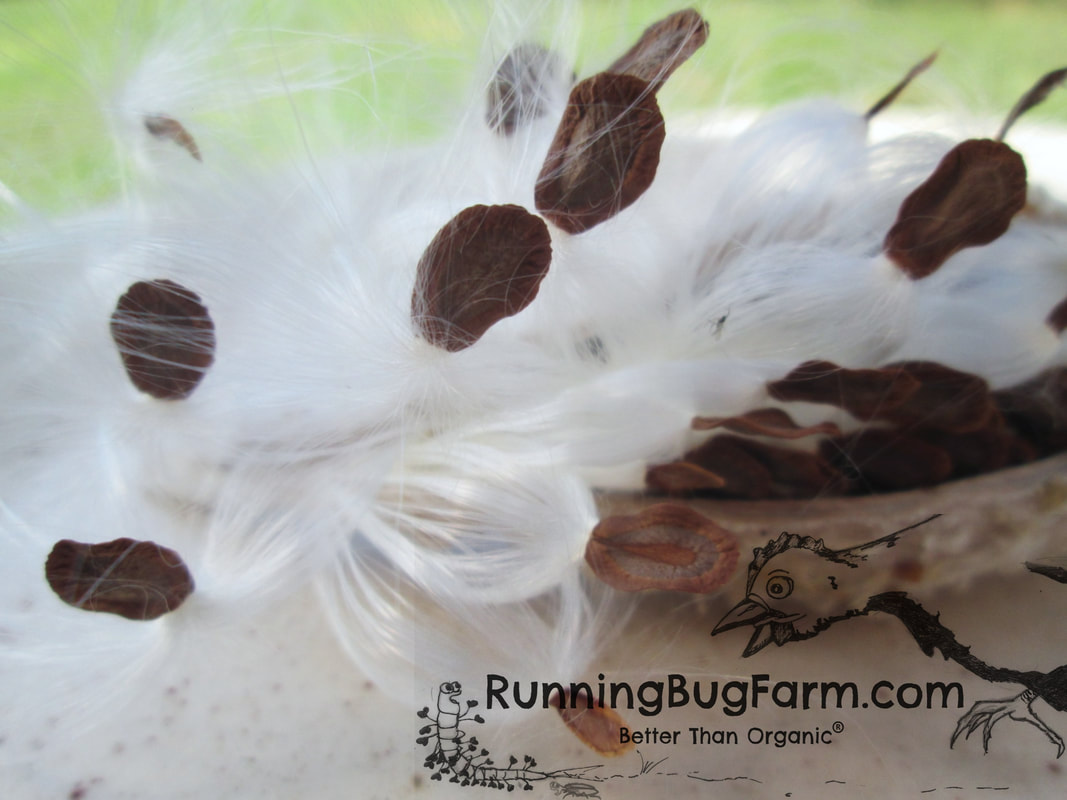
RSS Feed